

Anxiety can strike without warning, transforming a routine day into an overwhelming challenge. Whether you're preparing for an important presentation, navigating a stressful situation, or simply feeling the weight of daily pressures, the need for fast anxiety relief becomes paramount. Understanding practical, evidence-based techniques that deliver immediate results empowers you to regain control and restore calm when you need it most. This comprehensive guide explores scientifically validated methods, from simple breathing exercises to advanced therapeutic approaches, providing you with a toolkit for managing acute anxiety episodes effectively.
Understanding the Physiology of Anxiety
The body's anxiety response operates through the autonomic nervous system, triggering a cascade of physiological reactions designed to protect us from perceived threats. When anxiety strikes, your sympathetic nervous system activates the fight-or-flight response, releasing stress hormones like cortisol and adrenaline.
This biological mechanism served our ancestors well when facing genuine physical dangers, but in modern life, it often activates in response to psychological stressors. Your heart rate increases, breathing becomes shallow and rapid, muscles tense, and cognitive function may become impaired. Recognizing these physical manifestations represents the first step toward implementing effective interventions.
The parasympathetic nervous system provides the counterbalance, promoting rest and restoration. Effective techniques for fast anxiety relief work by activating this calming system, essentially telling your body that the perceived threat has passed. This biological understanding underpins why certain methods deliver such rapid results.
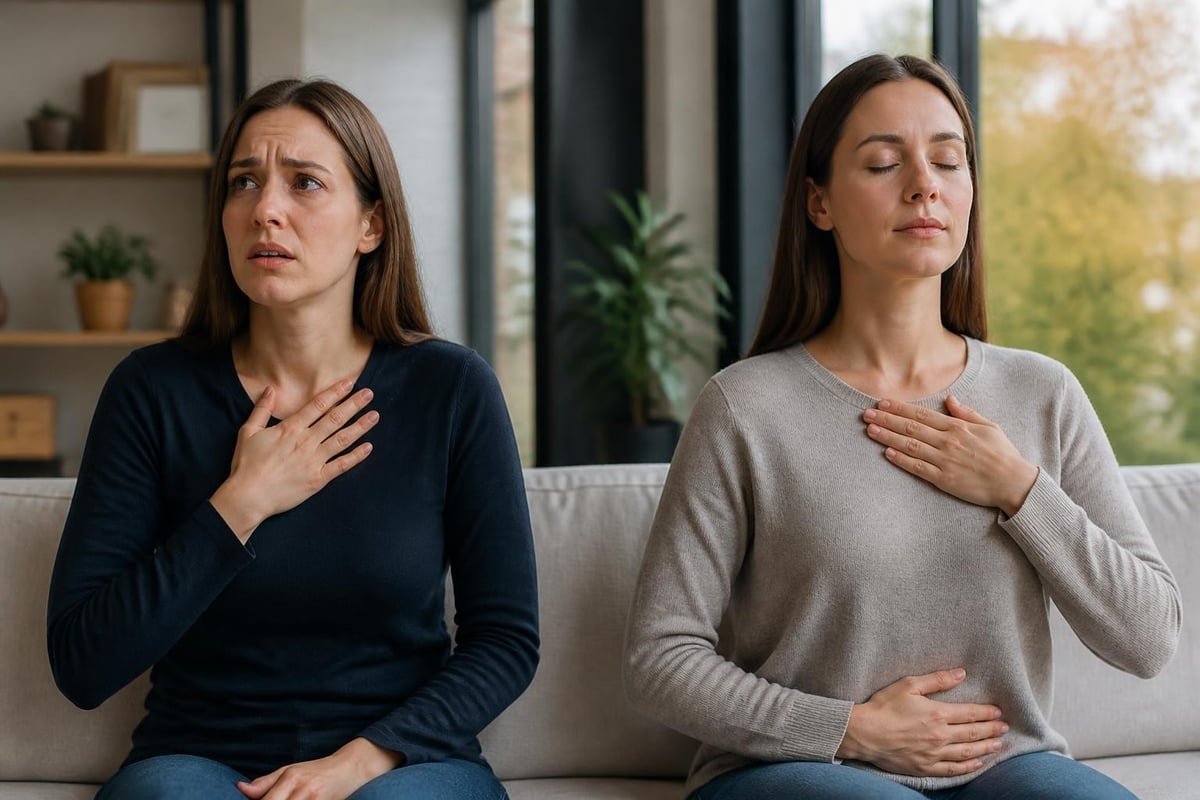
Immediate Breathing Techniques for Rapid Relief
Controlled breathing stands as one of the most powerful and accessible tools for managing acute anxiety. The 4-7-8 breathing technique, developed by Dr. Andrew Weil, offers particularly effective results for fast anxiety relief.
The 4-7-8 Method:
- Exhale completely through your mouth, making a whooshing sound
- Close your mouth and inhale quietly through your nose for a count of four
- Hold your breath for a count of seven
- Exhale completely through your mouth for a count of eight
- Repeat the cycle three more times
This technique works by increasing oxygen levels in your bloodstream while simultaneously slowing your heart rate. According to research on calming anxiety techniques, deep breathing exercises activate the parasympathetic nervous system within minutes.
Box breathing, used by military personnel and emergency responders, provides another rapid intervention. Inhale for four counts, hold for four, exhale for four, and hold empty for four. The rhythmic nature creates a meditative quality while physiologically calming your nervous system.
Diaphragmatic breathing, where you consciously engage your belly rather than chest, maximizes oxygen exchange and triggers relaxation responses. Place one hand on your chest and another on your abdomen, ensuring the abdomen hand moves while the chest remains relatively still.
Physical Grounding Techniques That Work Instantly
Physical grounding methods redirect your attention from anxious thoughts to concrete, sensory experiences in the present moment. The 5-4-3-2-1 technique has gained significant recognition for delivering fast anxiety relief through sensory engagement.
The 5-4-3-2-1 Grounding Exercise:
- Identify 5 things you can see around you
- Notice 4 things you can physically touch
- Recognize 3 things you can hear
- Acknowledge 2 things you can smell
- Note 1 thing you can taste
This progressive sensory inventory anchors you firmly in the present, interrupting the anxiety cycle. Healthline’s comprehensive guide highlights grounding techniques as particularly effective for acute episodes.
Progressive muscle relaxation offers another immediate intervention. Starting with your toes, deliberately tense each muscle group for five seconds before releasing. Moving systematically through your body-calves, thighs, abdomen, hands, arms, shoulders, and facial muscles-this technique reduces physical tension while focusing mental attention.
Cold water immersion provides rapid physiological intervention. Splashing cold water on your face or holding ice cubes activates the mammalian dive reflex, immediately slowing your heart rate and inducing calm. This ancient survival mechanism remains remarkably effective for modern anxiety management.
Movement-Based Strategies for Quick Anxiety Reduction
Physical movement disrupts anxious thought patterns while metabolizing stress hormones flooding your system. Even brief activity periods deliver measurable relief.
Vigorous exercise, even for just five minutes, reduces anxiety by increasing endorphin production and redirecting mental focus. Activities like jumping jacks, running in place, or rapid walking provide immediate benefits. The physical exertion gives anxiety-driven energy a productive outlet.
| Movement Type | Duration Required | Primary Benefit |
|---|---|---|
| Brisk walking | 5-10 minutes | Stress hormone metabolism |
| Stretching | 3-5 minutes | Muscle tension release |
| Dancing | 5-10 minutes | Mental distraction + endorphins |
| Yoga poses | 10-15 minutes | Mind-body integration |
Gentle stretching releases muscular tension accumulated during anxiety episodes. Simple neck rolls, shoulder shrugs, and forward folds create immediate physical relief while promoting mindful awareness of bodily sensations.
Understanding how to recognize anxiety and what you can do about it enables you to implement these movement strategies at the earliest signs of distress, maximizing their effectiveness.
Cognitive Techniques for Rapid Thought Interruption
Anxious thinking follows predictable patterns-catastrophizing, overgeneralizing, and focusing on worst-case scenarios. Cognitive interventions disrupt these patterns, providing fast anxiety relief through mental reframing.
The thought-stopping technique involves mentally shouting "STOP" when you notice anxious thoughts spiraling. This jarring interruption creates space to consciously redirect your attention toward more balanced perspectives. Following the interruption, deliberately replace the anxious thought with a realistic alternative.
Cognitive Reframing Examples:
- Anxious thought: "I'll definitely fail this presentation"
- Reframed thought: "I've prepared thoroughly and handled similar situations successfully before"
Visualization transports your mind away from anxiety-provoking circumstances toward calming scenarios. Imagine a peaceful location-perhaps a beach, forest, or comfortable room-engaging all your senses. What do you see, hear, smell, and feel? This mental escape provides genuine physiological relief by convincing your nervous system you're in a safe environment.
The questioning technique challenges anxious thoughts through logical examination. Ask yourself: Is this thought based on facts or feelings? What evidence supports this worry? What would I tell a friend having this thought? This Socratic method creates distance from anxiety while engaging rational thinking.
Hypnotherapy as a Powerful Tool for Anxiety Management
Hypnotherapy offers a distinctive approach to anxiety relief by accessing the subconscious mind where anxiety patterns originate. Unlike temporary coping strategies, hypnotherapy addresses root causes while providing immediate symptom relief.
During hypnotherapy sessions, you enter a deeply relaxed state where your mind becomes highly receptive to positive suggestions and new perspectives. This focused attention bypasses the critical conscious mind, allowing therapeutic interventions to work at deeper levels. The services offered through professional hypnotherapy target anxiety through multiple mechanisms.
Strategic hypnotherapy combines traditional hypnotic techniques with cognitive-behavioral approaches, creating comprehensive interventions tailored to individual needs. Sessions typically incorporate relaxation induction, positive suggestion, visualization, and post-hypnotic triggers you can activate independently for fast anxiety relief.
Many clients report experiencing significant anxiety reduction during their first session, with progressive improvement as therapy continues. The techniques learned become portable tools you carry forward, enabling self-induced calming states when needed.
Research continues exploring innovative approaches, including self-guided virtual reality therapy, demonstrating the evolving landscape of anxiety treatment modalities. However, personalized therapeutic relationships remain invaluable for addressing individual circumstances and developing customized strategies.
Environmental Modifications for Immediate Calm
Your physical environment significantly influences anxiety levels. Strategic modifications create spaces that promote calm rather than exacerbate stress.
Environmental Anxiety Reducers:
- Lighting: Dim harsh overhead lights; use natural or warm-toned illumination
- Sound: Introduce white noise, nature sounds, or calming music
- Temperature: Cool environments generally promote calm; warm spaces can increase agitation
- Clutter: Clear visible disorder that creates visual stress
- Aromatherapy: Lavender, chamomile, and bergamot scents trigger relaxation responses
Creating a designated "calm corner" in your home or office provides a retreat during anxiety episodes. Stock this space with comfort items-soft textures, calming images, stress balls, or essential oils. Having a prepared sanctuary eliminates decision-making during moments when cognitive function feels compromised.
Natural light exposure regulates circadian rhythms and mood. During anxiety episodes, moving near windows or stepping outside for even brief periods can provide measurable relief. The combination of light exposure, fresh air, and change of scenery interrupts anxiety cycles effectively.
Nutritional and Lifestyle Factors Affecting Anxiety Response
While not delivering instant relief during acute episodes, certain nutritional and lifestyle factors significantly impact your baseline anxiety levels and recovery speed following anxious periods.
Caffeine consumption directly influences anxiety susceptibility. This stimulant activates the same physiological pathways as anxiety, potentially triggering or intensifying episodes. Reducing intake, particularly during high-stress periods, enhances your capacity for fast anxiety relief when implementing other techniques.
| Substance | Anxiety Impact | Recommendation |
|---|---|---|
| Caffeine | Increases arousal, mimics anxiety symptoms | Limit to morning hours, reduce during stress |
| Alcohol | Temporary relief followed by rebound anxiety | Avoid using as coping mechanism |
| Sugar | Blood glucose spikes and crashes affect mood | Maintain stable levels with balanced meals |
| Water | Dehydration intensifies anxiety symptoms | Consistent hydration throughout day |
Blood sugar stability plays a crucial role in emotional regulation. Skipping meals or consuming high-sugar foods creates physiological stress that compounds psychological anxiety. Regular, balanced meals maintain steady energy and neurotransmitter production.
Sleep deprivation dramatically increases anxiety vulnerability. Even single nights of poor sleep impair emotional regulation and stress response systems. Prioritizing consistent sleep schedules strengthens your overall resilience and improves the effectiveness of relief techniques during anxious moments. Learning ways to avoid anxiety includes addressing these foundational lifestyle factors.
Technology-Assisted Anxiety Relief Methods
Modern technology offers innovative tools for managing anxiety, from smartphone applications to wearable devices that provide biofeedback and guided interventions.
Dedicated anxiety apps deliver structured breathing exercises, meditation guidance, and cognitive-behavioral tools accessible whenever needed. Many feature panic button functions providing immediate access to calming techniques during acute episodes. The convenience of smartphone-based interventions means fast anxiety relief tools remain constantly available.
Biofeedback devices measure physiological markers like heart rate variability, providing real-time data about your stress levels. This objective information helps you recognize anxiety earlier and gauge technique effectiveness. Some wearables vibrate gently to prompt breathing exercises when detecting elevated stress indicators.
Guided audio resources, including calming techniques videos, provide structured interventions you can follow along with during anxious moments. The combination of professional guidance and passive participation makes these resources particularly valuable when independent technique implementation feels overwhelming.
However, technology should complement rather than replace fundamental self-regulation skills and professional support when needed. Over-reliance on devices can diminish confidence in your inherent coping capacity.
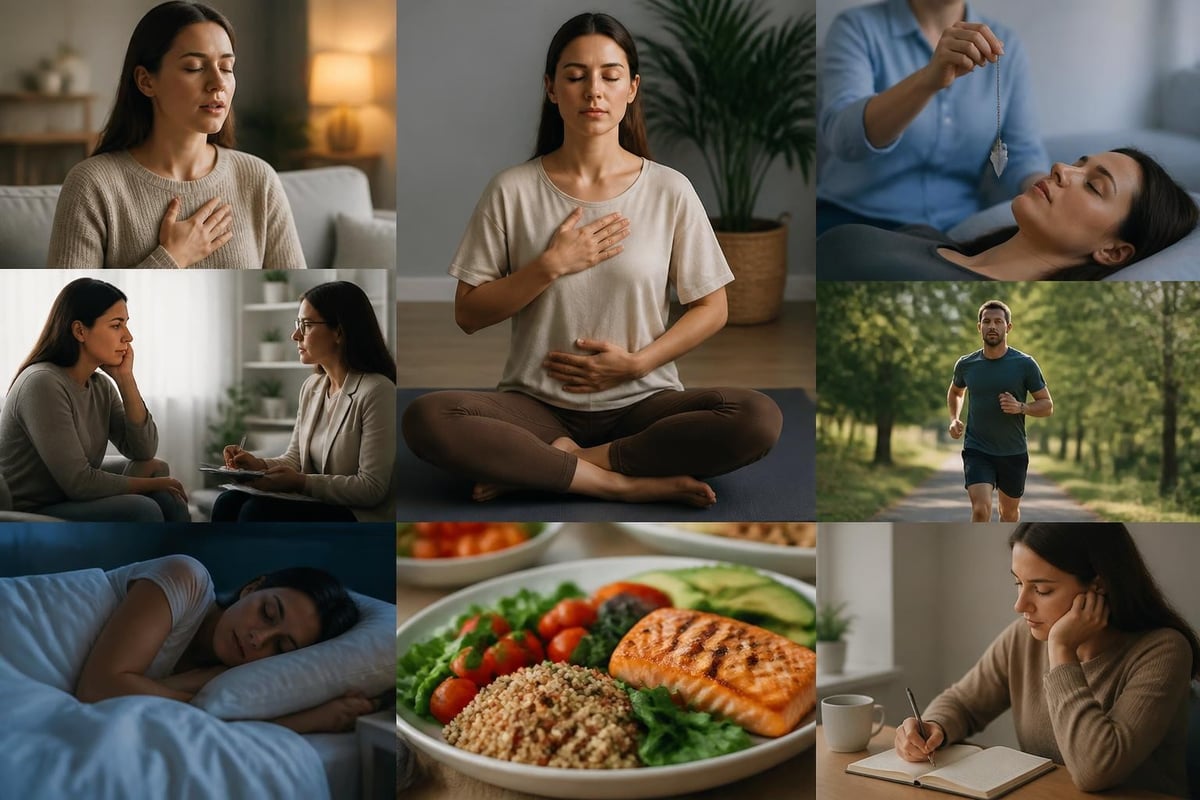
Building a Personalized Quick-Relief Protocol
Individual variation means different techniques resonate with different people. Developing your personalized protocol ensures you have immediately accessible, proven strategies during anxious moments.
Creating Your Relief Protocol:
- Experiment systematically with various techniques during calm periods
- Document effectiveness by rating anxiety levels before and after each method
- Identify your top three most effective interventions
- Practice regularly to build automaticity and confidence
- Create accessible reminders (phone notes, wallet cards) listing your protocol steps
Some individuals respond powerfully to physical interventions while others find cognitive techniques more effective. Your optimal approach might combine multiple methods-perhaps beginning with breathing, progressing to grounding, and finishing with visualization.
Timing considerations matter. Techniques requiring 10-15 minutes prove impractical during work meetings, while discrete breathing methods work anywhere. Developing both comprehensive and abbreviated versions of your protocol addresses different situational constraints.
Regular practice during non-anxious periods strengthens neural pathways, making techniques more accessible and effective during actual anxiety episodes. This preventive practice represents an investment in your long-term emotional regulation capacity.
Advanced Therapeutic Approaches for Persistent Anxiety
While immediate relief techniques address acute symptoms, persistent anxiety often requires deeper therapeutic intervention addressing underlying patterns and triggers.
Hypnotherapy provides particularly effective treatment for chronic anxiety by accessing subconscious patterns driving anxious responses. Through strategic hypnotherapy approaches, clients uncover root causes-perhaps past experiences, learned behaviors, or unconscious beliefs-perpetuating anxiety cycles. Addressing these foundations creates lasting change beyond symptom management.
The therapeutic process typically involves identifying specific anxiety triggers, exploring their origins, reprocessing historical experiences contributing to current patterns, and installing new, adaptive response patterns. Client testimonials frequently highlight the profound shift from managing anxiety to genuinely overcoming it.
Emerging research explores innovative pharmacological interventions. Studies examining ketamine’s potential for rapid anxiety relief demonstrate effects within hours, though such approaches require medical supervision and consideration of risks versus benefits.
Combined approaches-integrating immediate coping techniques, lifestyle modifications, and professional therapy-deliver the most comprehensive and sustainable results. This multi-layered strategy addresses anxiety from multiple angles simultaneously.
When to Seek Professional Support
Self-management techniques provide valuable tools, but certain circumstances warrant professional intervention. Recognizing these situations prevents unnecessary suffering and accelerates recovery.
Indicators for Professional Help:
- Anxiety interfering with work, relationships, or daily functioning
- Physical symptoms (chest pain, dizziness) accompanying anxiety episodes
- Increasing frequency or intensity of anxious episodes
- Development of avoidance behaviors limiting activities
- Anxiety persisting despite consistent use of relief techniques
- Presence of substance use for anxiety management
- Thoughts of self-harm accompanying anxiety
Professional assessment provides clarity about anxiety severity and appropriate treatment approaches. What feels manageable to one person might warrant intervention for another, and qualified practitioners offer objective evaluation.
Hypnotherapy, in particular, offers rapid results for many anxiety presentations. Rather than years of traditional talk therapy, strategic approaches often deliver meaningful improvement within weeks. The combination of immediate symptom relief and deeper pattern transformation makes this modality particularly valuable for those seeking fast anxiety relief alongside lasting change.
Addressing dependency issues that sometimes develop alongside chronic anxiety represents another important consideration, as anxiety and substance use frequently intertwine in complex patterns requiring specialized intervention.
Integrating Relief Techniques Into Daily Life
Sustainable anxiety management extends beyond crisis intervention to include preventive practices woven throughout daily routines. This integration reduces overall anxiety levels while strengthening your capacity for fast anxiety relief when needed.
Morning routines set your nervous system's tone for the entire day. Beginning with five minutes of intentional breathing, stretching, or meditation establishes calm rather than launching directly into stressful activities. This foundation provides greater resilience against anxiety triggers encountered later.
Scheduled breaks throughout demanding days prevent anxiety accumulation. Brief pauses every 90 minutes for breathing exercises, brief walks, or simple grounding techniques interrupt stress buildup before reaching crisis levels. These micro-interventions require minimal time while delivering substantial protective benefits.
Evening wind-down rituals prepare your nervous system for restorative sleep. Avoiding screens, practicing gratitude reflection, or listening to calming audio signals your body to transition from active to restful states. Quality sleep, in turn, dramatically improves next-day anxiety resilience.
Consistent practice transforms relief techniques from emergency measures into integrated life skills. This mastery creates confidence in your ability to manage anxiety, which itself reduces anxiety about experiencing anxiety-breaking a common perpetuating cycle.
Fast anxiety relief becomes achievable when you understand evidence-based techniques and develop personalized protocols matching your unique needs and circumstances. Whether through immediate interventions like breathing exercises and grounding techniques or deeper therapeutic work addressing root causes, multiple pathways exist for reclaiming calm and control. Strategic Hypnotherapy Clinic specializes in helping individuals overcome anxiety through compassionate, expert hypnotherapy that harnesses the powerful mind-body connection, providing both immediate relief and lasting transformation. If anxiety continues impacting your life despite self-management efforts, discover how professional support can accelerate your journey toward genuine peace at Strategic Hypnotherapy Clinic.


Leave a Reply
Your email is safe with us.