

Anxiety affects millions of Australians each year, creating a ripple effect that touches every aspect of life from work performance to personal relationships. While occasional worry is a normal part of human experience, persistent anxiety can become overwhelming, interfering with daily functioning and overall quality of life. Understanding the mechanisms behind anxiety and implementing proven strategies for lowering anxiety can transform your relationship with stress and restore a sense of calm control. The good news is that numerous evidence-based approaches exist to help manage these feelings effectively, and many people find lasting relief through a combination of therapeutic interventions and lifestyle modifications.
Understanding the Mind-Body Connection in Anxiety Management
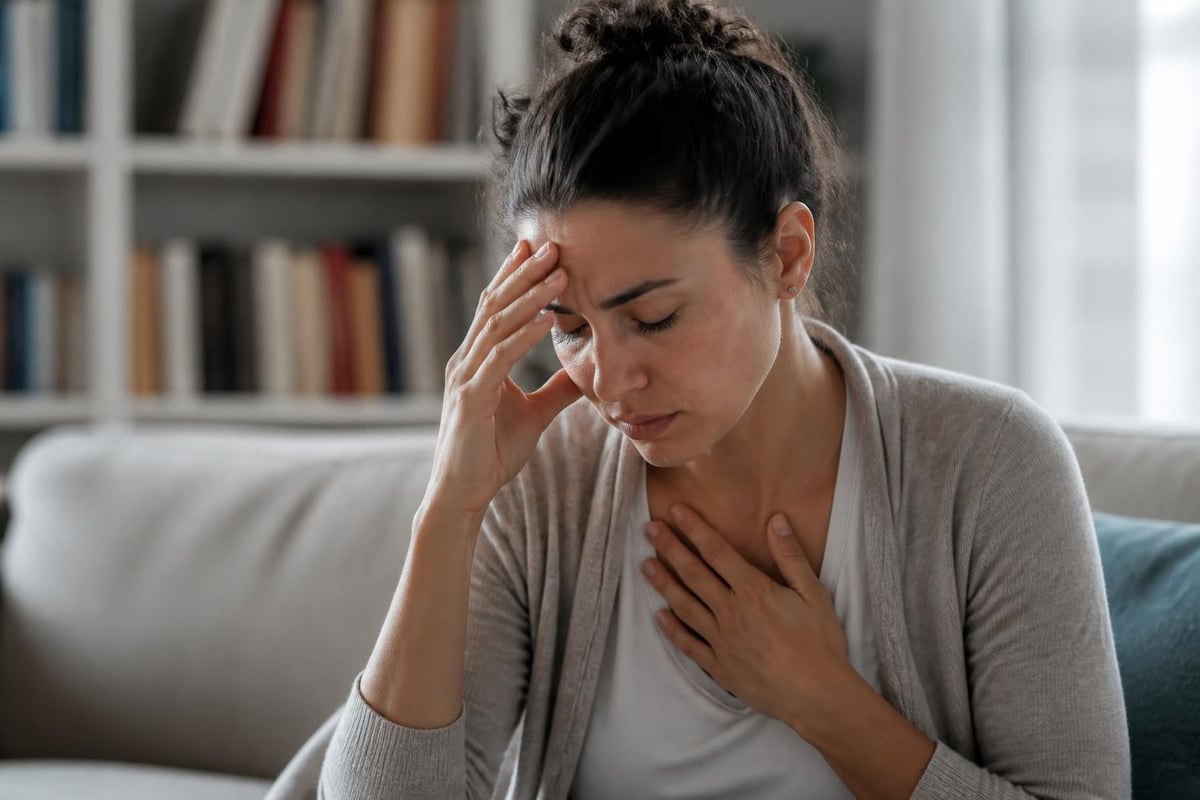
Anxiety manifests both psychologically and physically, creating a complex interplay between thoughts, emotions, and bodily sensations. When you experience anxious thoughts, your body responds with a cascade of physiological changes including increased heart rate, rapid breathing, muscle tension, and heightened alertness. This mind-body connection works both ways, meaning that physical interventions can directly influence your mental state.
The nervous system plays a central role in this dynamic. Your sympathetic nervous system triggers the fight-or-flight response when it perceives danger, while the parasympathetic nervous system promotes relaxation and recovery. Lowering anxiety often involves learning to activate the parasympathetic response consciously, creating a state of calm that counteracts the body's stress reaction.
How Hypnotherapy Addresses Anxiety at Its Root
Hypnotherapy offers a unique approach to lowering anxiety by accessing the subconscious mind where many automatic thought patterns and emotional responses originate. During hypnotherapy sessions, individuals enter a deeply relaxed state that allows them to explore and reframe the underlying beliefs and experiences contributing to their anxiety. This therapeutic modality harnesses the mind-body connection to create lasting change at a fundamental level.
Research supports the effectiveness of hypnotherapy for anxiety management. By working with a qualified practitioner, you can identify triggers, develop healthier coping mechanisms, and build resilience against future stressors. The process often involves visualization techniques, positive suggestion, and guided imagery that help reprogram anxious thought patterns into more adaptive responses.
For those seeking to understand and address their anxiety symptoms, hypnotherapy provides a compassionate, evidence-based pathway to relief. This approach recognizes that sustainable change requires addressing both conscious awareness and subconscious programming.
Practical Breathing Techniques for Immediate Relief
Breath work stands as one of the most accessible and effective tools for lowering anxiety in the moment. When anxiety strikes, breathing patterns typically become shallow and rapid, which further activates the stress response. Deliberately slowing and deepening your breath sends signals to your brain that it's safe to relax.
Diaphragmatic Breathing Method
This foundational technique involves breathing deeply into your belly rather than your chest:
- Place one hand on your chest and one on your abdomen
- Inhale slowly through your nose for a count of four, allowing your belly to rise
- Hold the breath for a count of four
- Exhale slowly through your mouth for a count of six
- Repeat for five to ten minutes
The extended exhale is particularly important as it activates the vagus nerve, which directly stimulates the parasympathetic nervous system. Many people find that practicing this technique twice daily builds a foundation of calm that makes anxiety episodes less intense and frequent.
Box Breathing for Rapid Calm
Military personnel and first responders use this technique to maintain composure in high-stress situations. Box breathing creates a rhythmic pattern that focuses the mind and regulates the nervous system. The method involves equal counts for inhaling, holding, exhaling, and holding again, creating a "box" shape in the breathing cycle. This structured approach provides both physiological benefits and a mental anchor during anxious moments.
Lifestyle Modifications That Support Anxiety Reduction
Beyond immediate techniques, certain lifestyle changes create an environment in your body and mind that naturally resists anxiety. These modifications work synergistically, each reinforcing the others to build resilience over time.
Nutrition's Role in Mental Well-Being
The foods you consume directly impact brain chemistry and neurotransmitter production. Nutritional strategies can significantly ease anxiety symptoms, particularly when you focus on nutrient-dense whole foods. Magnesium, found in leafy greens, nuts, and legumes, helps regulate the stress response system. Omega-3 fatty acids from fish and flaxseeds support brain health and may reduce anxiety symptoms.
| Nutrient | Food Sources | Anxiety-Reducing Benefit |
|---|---|---|
| Magnesium | Spinach, almonds, black beans | Regulates stress hormones |
| Omega-3 Fatty Acids | Salmon, walnuts, chia seeds | Reduces inflammation and supports mood |
| B Vitamins | Whole grains, eggs, lean meats | Supports neurotransmitter production |
| Probiotics | Yogurt, kefir, sauerkraut | Gut-brain axis communication |
| Zinc | Oysters, beef, pumpkin seeds | Modulates brain and body stress response |
Reducing caffeine and alcohol intake also contributes to lowering anxiety. Both substances can disrupt sleep patterns and exacerbate anxious feelings, creating a cycle that becomes increasingly difficult to break.
Movement as Medicine
Regular physical activity serves as a powerful anxiety management tool. Exercise releases endorphins, natural mood elevators that create feelings of well-being. It also metabolizes stress hormones like cortisol and adrenaline, reducing their accumulation in your system.
You don't need intense workouts to experience benefits. Moderate activities like walking, swimming, or yoga provide substantial anxiety relief. The key is consistency rather than intensity. Aim for at least thirty minutes of movement most days of the week, choosing activities you genuinely enjoy to ensure sustainability.

Mind-Body Practices for Long-Term Anxiety Management
Several evidence-based practices combine physical and mental techniques to address anxiety holistically. These approaches recognize that sustainable relief requires addressing both the symptoms and the underlying patterns that perpetuate anxious states.
Meditation and Mindfulness
Mindfulness meditation trains your mind to observe thoughts and feelings without judgment or immediate reaction. This practice creates space between stimulus and response, allowing you to choose how you engage with anxious thoughts rather than being swept away by them. Mind and body approaches for stress have substantial scientific support, with research demonstrating measurable changes in brain structure and function among regular practitioners.
Starting a meditation practice doesn't require hours of daily commitment. Begin with five minutes of focused attention on your breath, gradually increasing duration as the practice becomes more comfortable. Consistency matters more than length, and even brief daily sessions accumulate significant benefits over time.
Progressive Muscle Relaxation
This technique involves systematically tensing and releasing muscle groups throughout your body, creating awareness of the difference between tension and relaxation. Many people hold chronic tension without realizing it, particularly in the jaw, shoulders, and neck. Progressive muscle relaxation teaches your body to release this accumulated stress.
The practice typically begins with your feet and moves upward through your legs, torso, arms, and face. You tense each muscle group for five seconds, then release for thirty seconds, noticing the sensation of relaxation that follows. This method proves particularly effective before sleep, as it promotes both physical and mental relaxation conducive to rest.
Grounding Techniques for Acute Episodes
When anxiety escalates toward panic, grounding techniques help reconnect you with the present moment. Practical grounding methods engage your senses to interrupt the anxiety spiral and reorient your attention to your immediate environment.
The 5-4-3-2-1 technique is particularly effective:
- Identify five things you can see
- Notice four things you can touch
- Acknowledge three things you can hear
- Recognize two things you can smell
- Name one thing you can taste
This sensory inventory shifts attention away from anxious thoughts and anchors you firmly in the present, where anxiety about future events or past experiences loses its grip.
Therapeutic Approaches for Sustainable Change
While self-help strategies provide valuable tools for lowering anxiety, professional therapeutic support often accelerates progress and addresses deeper patterns that maintain anxious states. Several evidence-based therapeutic modalities have demonstrated effectiveness for anxiety management.
Cognitive Behavioral Therapy Principles
Cognitive Behavioral Therapy (CBT) focuses on the relationship between thoughts, feelings, and behaviors. Anxious thoughts often distort reality, catastrophizing potential outcomes or underestimating your ability to cope. CBT teaches you to identify these cognitive distortions and replace them with more balanced, realistic thoughts.
Common cognitive distortions include:
- All-or-nothing thinking: Viewing situations in black and white terms
- Catastrophizing: Assuming the worst possible outcome will occur
- Overgeneralization: Drawing broad conclusions from single events
- Mental filtering: Focusing exclusively on negative aspects while ignoring positive ones
- Fortune telling: Predicting negative outcomes without evidence
By challenging these patterns and testing them against reality, you gradually rewire your automatic thought processes, reducing the frequency and intensity of anxious episodes.
The Unique Benefits of Hypnotherapy
Professional hypnotherapy services offer distinct advantages for lowering anxiety by working directly with the subconscious mind. Unlike purely cognitive approaches that focus on conscious thought patterns, hypnotherapy accesses the deeper levels of mind where many emotional responses and behavioral patterns originate.
During hypnotherapy sessions, clients achieve a state of focused relaxation that enhances suggestibility and receptivity to positive change. This state allows exploration of root causes underlying anxiety, whether they stem from past experiences, learned behaviors, or internalized beliefs. Through guided imagery and therapeutic suggestion, new neural pathways form that support calmer, more adaptive responses to stress.
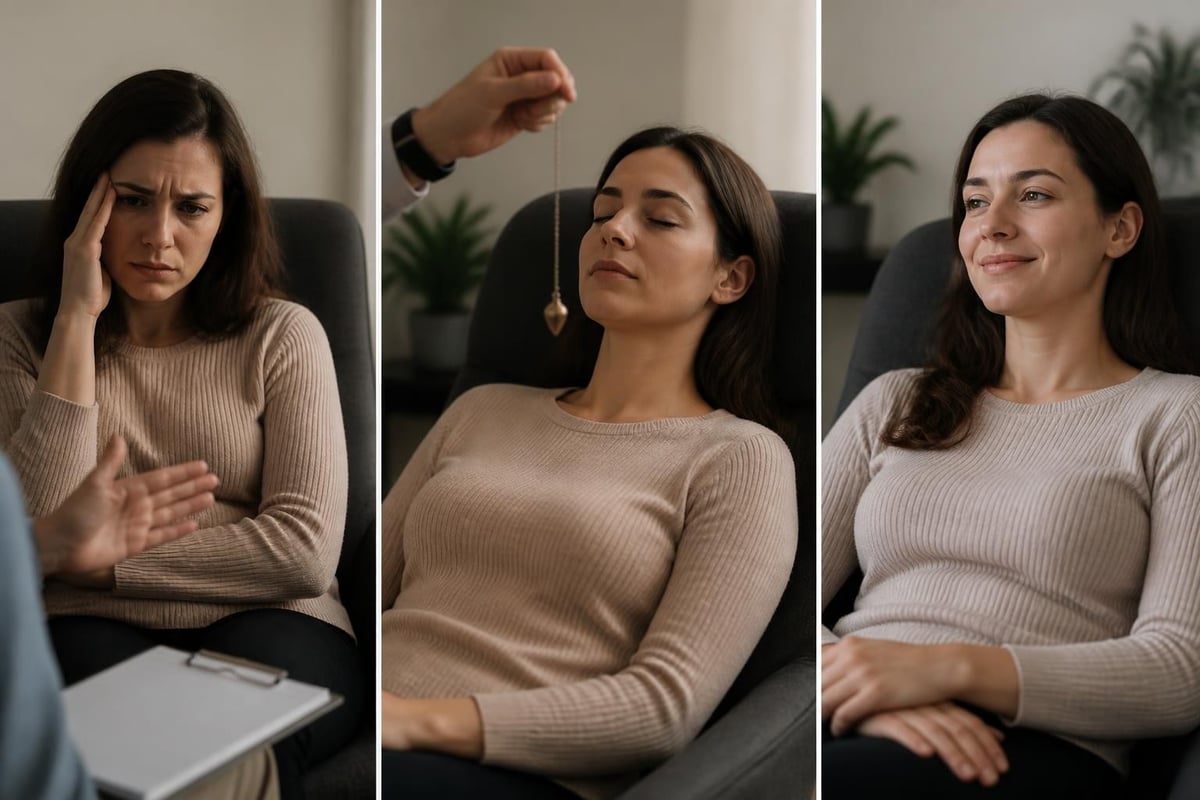
The collaborative relationship between therapist and client creates a safe space for transformation. Rather than simply managing symptoms, hypnotherapy aims to resolve the underlying issues driving anxiety, creating lasting change that continues beyond the therapy room.
Building a Comprehensive Anxiety Management Plan
Effective anxiety management rarely relies on a single technique. Instead, a multi-faceted approach that combines several strategies creates resilience across different situations and stress levels. Improving your emotional well-being requires consistent attention to multiple life domains.
Daily Practices for Prevention
Prevention proves easier than crisis management. Establishing daily practices that support mental well-being creates a foundation of stability that withstands occasional stress spikes:
- Morning meditation or breathing exercises to set a calm tone
- Regular meal times featuring nutrient-dense foods
- Scheduled movement breaks throughout the day
- Evening wind-down routines that signal your body to relax
- Consistent sleep and wake times to regulate circadian rhythms
These habits compound over time, each reinforcing the others to create an increasingly stable baseline emotional state.
Crisis Management Tools
Despite best preventive efforts, acute anxiety episodes may still occur. Having a prepared set of crisis tools ensures you can respond effectively when needed:
- Immediate breathing technique (box breathing or 4-7-8 method)
- Physical grounding (feeling your feet on the floor, holding ice)
- Sensory grounding (5-4-3-2-1 technique)
- Safe person contact (trusted friend or therapist)
- Pre-written reminder cards with rational counter-thoughts
Store these tools both mentally and physically. Many people keep reminder cards in their wallet or phone with calming statements and technique instructions for moments when anxiety clouds clear thinking.
Social Connection and Support Systems
Humans are inherently social creatures, and isolation often intensifies anxiety. Building and maintaining supportive relationships contributes significantly to lowering anxiety over time. Social connection provides multiple benefits including emotional validation, practical assistance during difficult periods, and perspective that counters anxious thinking patterns.
Communicating Your Needs
Many people struggle to articulate their anxiety to others, fearing judgment or misunderstanding. Learning to communicate your needs clearly helps others provide appropriate support. This might involve explaining that you need quiet space during overwhelm, requesting accountability for healthy habits, or simply asking someone to listen without offering solutions.
Vulnerability in relationships deepens connection and often reveals that others share similar struggles. This normalization of anxiety reduces shame and isolation, both of which perpetuate anxious states.
Professional Support Networks
Beyond personal relationships, professional support provides specialized expertise. Treatment options for generalized anxiety disorder span multiple disciplines including psychotherapy, medical intervention when necessary, and complementary approaches like massage therapy.
| Support Type | Benefits | Best For |
|---|---|---|
| Hypnotherapy | Addresses subconscious patterns, creates deep relaxation | Root cause resolution, lasting change |
| Talk Therapy | Develops coping skills, processes emotions | Cognitive patterns, current life stressors |
| Support Groups | Shared experience, community connection | Reducing isolation, learning from peers |
| Medical Care | Medication management, physical health factors | Severe symptoms, co-occurring conditions |
| Bodywork | Physical tension release, nervous system regulation | Somatic anxiety, stress-related pain |
The benefits of massage therapy for anxiety include both physiological relaxation and the therapeutic power of human touch, making it a valuable complement to other anxiety management strategies.
Measuring Progress and Adjusting Strategies
Lowering anxiety is a journey rather than a destination, and tracking your progress helps maintain motivation while identifying which strategies work best for your unique situation. Consider keeping a simple anxiety journal that notes daily anxiety levels on a scale of one to ten, along with any techniques used and their perceived effectiveness.
Over time, patterns emerge that inform your ongoing approach. You might notice certain triggers consistently elevate anxiety, allowing you to develop specific plans for those situations. You may also discover that particular techniques work better at different times of day or in different contexts.
Celebrating Small Victories
Anxiety improvement rarely follows a linear path. Expect fluctuations and occasional setbacks, viewing them as information rather than failure. Celebrate small victories like successfully using a breathing technique during a stressful meeting or choosing a walk instead of scrolling social media when feeling anxious.
These incremental changes accumulate into substantial transformation over months and years. Patience with yourself throughout this process is essential, as self-criticism often fuels the very anxiety you're working to reduce.
When to Adjust Your Approach
If you've consistently applied anxiety management strategies for several weeks without noticeable improvement, consider adjusting your approach. This might involve:
- Adding professional therapeutic support to self-help efforts
- Trying different techniques that better match your learning style
- Addressing potential underlying factors like sleep disorders or nutritional deficiencies
- Increasing the intensity or frequency of practices that show promise
- Exploring whether medication might provide temporary support during skill-building
Flexibility and willingness to experiment help you discover the optimal combination of strategies for your situation.
Creating Sustainable Change Through Professional Guidance
While self-directed anxiety management provides valuable tools, professional guidance often accelerates progress and ensures you're addressing the condition comprehensively. Specialized anxiety treatment takes into account your unique history, circumstances, and goals, creating a personalized pathway to relief.
Working with an experienced practitioner provides accountability, expert feedback, and access to techniques that require professional administration. The therapeutic relationship itself becomes a resource, offering a safe space to explore difficult emotions and practice new ways of relating to anxiety.
Many people find that combining professional therapy with personal practices creates optimal results. The therapy sessions provide structure and expert guidance while daily practices reinforce and extend the benefits between appointments. This integrated approach addresses both immediate symptom relief and long-term pattern change.
The Role of Commitment and Consistency
Lowering anxiety requires commitment to the process even when progress feels slow or non-linear. Consistency with chosen practices matters more than perfection. Missing a meditation session or having an anxious day doesn't negate previous progress or prevent future improvement.
Building new neural pathways and behavioral patterns takes time, with research suggesting that habit formation requires anywhere from twenty-one to sixty-six days of consistent practice. Approaching anxiety management as a lifestyle rather than a quick fix creates sustainable change that endures through life's inevitable challenges.
Lowering anxiety involves a comprehensive approach that addresses mind, body, and lifestyle factors through proven techniques ranging from breathing exercises to professional therapeutic support. By implementing these evidence-based strategies consistently and with patience, you can transform your relationship with anxiety and reclaim a sense of calm control over your life. Strategic Hypnotherapy Clinic specializes in helping individuals overcome anxiety through compassionate, expert hypnotherapy that harnesses the powerful mind-body connection for lasting relief and personal growth.


Leave a Reply
Your email is safe with us.