

Anxiety affects millions of Australians each year, disrupting daily life and diminishing overall well-being. While pharmaceutical interventions remain common, many individuals seek holistic approaches that address the root causes of anxiety without relying solely on medication. The good news is that evidence-based natural methods can effectively reduce anxiety symptoms, offering sustainable relief through lifestyle modifications, therapeutic practices, and mind-body techniques. Understanding how to naturally cure anxiety empowers you to take control of your mental health journey with proven strategies that support long-term wellness.
Understanding Anxiety and the Natural Healing Approach
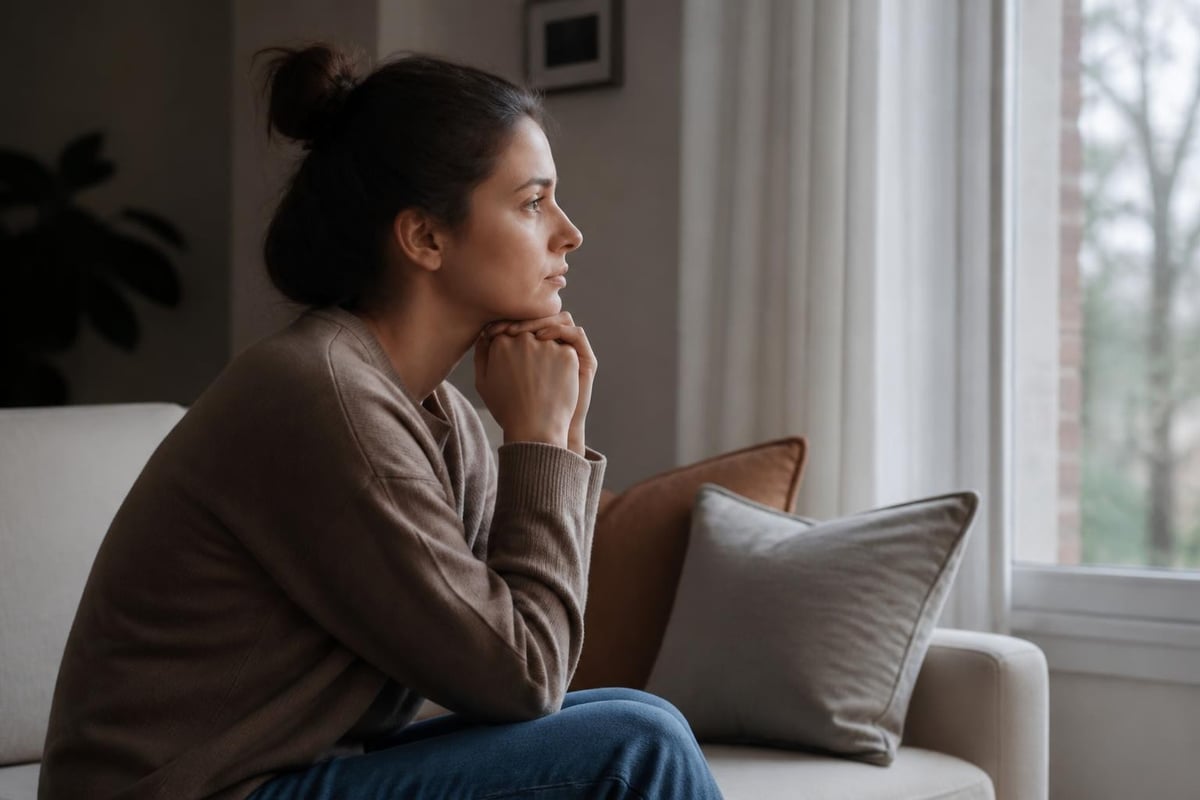
Anxiety manifests differently for each person, ranging from occasional worry to persistent, overwhelming fear that interferes with normal functioning. The body's stress response system, designed to protect us from danger, can become overactive in modern life.
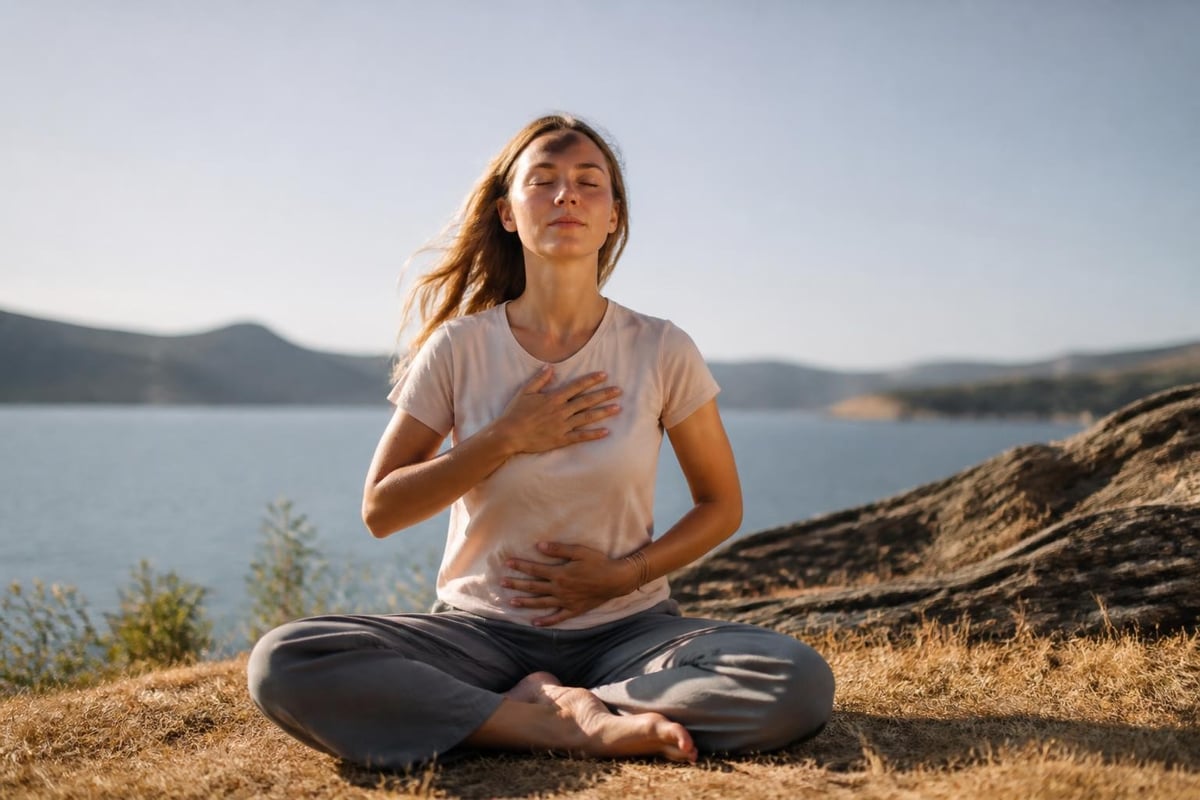
The Mind-Body Connection in Anxiety
Your mental state directly influences physical symptoms, and conversely, your physical health impacts emotional well-being. This bidirectional relationship forms the foundation for natural anxiety relief strategies. When you learn to recognise anxiety symptoms, you can intervene early with targeted natural approaches.
The nervous system plays a crucial role in anxiety disorders. Your sympathetic nervous system activates the fight-or-flight response, while the parasympathetic system promotes relaxation and recovery. Natural anxiety interventions aim to restore balance between these two systems.
Key physiological factors in anxiety include:
- Neurotransmitter imbalances affecting mood regulation
- Chronic inflammation impacting brain function
- Dysregulated cortisol production from prolonged stress
- Disrupted sleep patterns affecting emotional resilience
Evidence-Based Lifestyle Modifications
Sustainable anxiety relief begins with foundational lifestyle changes that support overall mental health. These modifications work synergistically to create an environment where anxiety naturally diminishes.
Physical Activity and Exercise
Regular movement stands as one of the most powerful tools to naturally cure anxiety. Exercise releases endorphins, reduces stress hormones, and improves sleep quality. Research consistently demonstrates that physical activity alleviates anxiety symptoms across various populations.
| Exercise Type | Frequency | Anxiety Benefits |
|---|---|---|
| Aerobic activity | 30 minutes, 5x weekly | Reduces overall anxiety levels, improves mood |
| Strength training | 2-3 sessions weekly | Builds confidence, regulates stress hormones |
| Yoga | 3-4 sessions weekly | Combines movement with breath work, calms nervous system |
| Walking in nature | Daily | Lowers cortisol, provides grounding effect |
The consistency of your exercise routine matters more than intensity. Start with manageable goals and gradually increase activity levels as your fitness improves.
Nutritional Strategies for Anxiety Management
What you consume directly impacts brain chemistry and anxiety levels. Certain dietary patterns support neurotransmitter production while others exacerbate anxiety symptoms.
Foods that support anxiety relief:
- Omega-3 rich foods (salmon, walnuts, flaxseeds) reduce inflammation
- Complex carbohydrates stabilize blood sugar and mood
- Magnesium-rich foods (leafy greens, nuts, seeds) calm the nervous system
- Probiotic foods support the gut-brain axis
- Chamomile and green tea provide calming compounds
Conversely, limiting substances that trigger anxiety proves equally important. Reducing caffeine intake, avoiding alcohol, and eliminating nicotine can significantly decrease anxiety symptoms. These substances disrupt sleep patterns and overstimulate the nervous system.
Mind-Body Practices That Naturally Cure Anxiety
Therapeutic techniques that integrate mental and physical awareness offer profound anxiety relief. These practices train your nervous system to respond differently to stressors.
Breathing Techniques and Nervous System Regulation
Controlled breathing directly influences your autonomic nervous system, shifting you from stress response to relaxation. Unlike many anxiety interventions requiring extensive training, breathwork provides immediate relief.
Effective breathing techniques include:
- Box breathing: Inhale for four counts, hold for four, exhale for four, hold for four
- Diaphragmatic breathing: Deep belly breaths that engage the parasympathetic system
- 4-7-8 breathing: Inhale for four, hold for seven, exhale for eight
- Alternate nostril breathing: Balances left and right brain hemispheres
Practice these techniques twice daily, even when calm, to build capacity for anxiety moments. Consistency creates neural pathways that make relaxation more accessible during stressful situations.
Mindfulness and Meditation Practices
Mindfulness meditation teaches you to observe anxious thoughts without becoming overwhelmed by them. This metacognitive awareness transforms your relationship with anxiety. Natural remedies for anxiety frequently include meditation as a cornerstone practice.
Starting with just five minutes daily yields measurable benefits. Use guided meditation apps or recordings designed specifically for anxiety management. Progressive muscle relaxation combines mindfulness with physical tension release, addressing anxiety's somatic manifestations.
Therapeutic Approaches to Naturally Cure Anxiety
While self-directed strategies provide substantial benefits, professional therapeutic interventions accelerate healing and address deeper anxiety patterns.
Hypnotherapy for Anxiety Relief
Hypnotherapy accesses the subconscious mind where anxiety patterns often originate. Through guided relaxation and focused attention, hypnotherapy helps reprogram automatic anxiety responses. The mind-body connection harnessed in hypnotherapy enables profound shifts in how you experience and respond to anxiety triggers.
Clinical hypnotherapy differs significantly from stage hypnosis. You remain fully aware and in control throughout sessions while achieving deep relaxation that facilitates therapeutic suggestion. This state allows your mind to integrate new, healthier response patterns to previously anxiety-provoking situations.
Benefits of hypnotherapy for anxiety include:
- Direct access to subconscious anxiety triggers
- Rapid symptom reduction in many cases
- Long-lasting changes in anxiety responses
- Complementary to other natural interventions
- Personalized approach addressing individual needs
Cognitive Restructuring Without Medication
Your thoughts significantly influence anxiety levels. Learning to identify and challenge anxiety-producing thought patterns creates lasting relief. This process involves recognizing catastrophic thinking, all-or-nothing perspectives, and other cognitive distortions that fuel anxiety.
| Anxiety Thought Pattern | Restructured Perspective | Result |
|---|---|---|
| "Something terrible will happen" | "I've handled difficulties before successfully" | Reduced anticipatory anxiety |
| "I can't cope with this" | "I have resources and can seek support" | Increased self-efficacy |
| "Everyone judges me negatively" | "Most people focus on themselves, not me" | Decreased social anxiety |
Regular practice of cognitive restructuring strengthens your ability to naturally cure anxiety by changing the underlying thought patterns that perpetuate it.
Complementary Natural Therapies
Beyond lifestyle changes and primary therapeutic approaches, several complementary therapies show promise for anxiety management.
Herbal Supplements and Natural Compounds
Certain botanicals demonstrate anxiety-reducing properties through various mechanisms. Alternative treatments for anxiety often incorporate these evidence-supported supplements.
Commonly researched herbs for anxiety:
- Passionflower increases GABA, promoting relaxation
- Valerian root improves sleep quality and reduces anxiety
- Ashwagandha adaptogen reduces cortisol levels
- L-theanine promotes calm alertness without sedation
- Lavender oil shows anxiolytic effects in studies
Always consult healthcare providers before starting herbal supplements, as they can interact with medications and may not suit everyone. Quality and dosage vary significantly between products.
Acupuncture and Traditional Practices
Acupuncture modulates nervous system activity and may reduce anxiety by influencing neurotransmitter release. Natural remedies combining various modalities often include acupuncture as part of comprehensive treatment plans.
Traditional practices from various cultures offer time-tested anxiety management approaches. Tai chi combines gentle movement with meditation, while qigong emphasizes energy cultivation through breath and posture. These practices require minimal equipment and can be practiced anywhere.
Sleep Optimization for Anxiety Reduction
Poor sleep both results from and contributes to anxiety, creating a challenging cycle. Prioritizing sleep hygiene naturally reduces anxiety symptoms and improves overall resilience.
Creating Sleep-Conducive Environments
Your bedroom environment significantly impacts sleep quality. Optimize temperature (18-20°C), minimize light exposure, and reduce noise pollution. Remove electronic devices that emit blue light and create mental stimulation.
Essential sleep hygiene practices:
- Maintain consistent sleep and wake times, even on weekends
- Establish a 60-minute wind-down routine before bed
- Avoid screens for at least one hour before sleep
- Create dark, cool, quiet sleeping conditions
- Reserve your bed exclusively for sleep and intimacy
Managing Racing Thoughts at Night
Anxiety often intensifies at night when external distractions diminish. Keep a worry journal beside your bed to externalize concerns before sleep. Write down anxious thoughts and commit to addressing them the following day.
Progressive muscle relaxation performed in bed releases physical tension that perpetuates mental anxiety. Start with your toes and systematically tense and release each muscle group, moving toward your head. This practice simultaneously occupies your mind and relaxes your body.
Social Connection and Support Systems
Humans are inherently social beings, and isolation exacerbates anxiety. Cultivating meaningful connections provides both emotional support and practical anxiety management benefits.
Building Supportive Relationships
Quality matters more than quantity in social connections. Nurture relationships with individuals who respect your anxiety journey and offer genuine support. Share your experiences with trusted friends who listen without judgment.
Support groups, whether in-person or online, connect you with others who understand anxiety firsthand. These communities provide validation, practical strategies, and hope through shared experiences. Professional guidance from experienced practitioners complements peer support by addressing individual needs.
Helping Others as Anxiety Relief
Paradoxically, focusing on others' well-being can reduce your own anxiety. Volunteering, mentoring, or simply supporting friends shifts attention away from internal worry. This outward focus activates different neural pathways and provides perspective on your concerns.
Environmental and Sensory Interventions
Your physical environment influences anxiety levels more than you might realize. Strategic modifications create spaces that naturally promote calm.
Nature Exposure and Biophilic Design
Time in natural settings consistently reduces anxiety markers including heart rate, cortisol levels, and self-reported stress. Studies demonstrate that even brief nature exposure provides measurable benefits.
When outdoor time proves challenging, bring nature indoors through houseplants, natural light maximization, and nature sounds. Views of greenery, even through windows, activate the parasympathetic nervous system.
Aromatherapy and Scent-Based Interventions
Certain scents directly influence the limbic system, which processes emotions and memories. Essential oils offer accessible aromatherapy options for anxiety management.
Anxiety-reducing essential oils:
- Lavender promotes relaxation and improves sleep quality
- Bergamot reduces stress hormones and elevates mood
- Ylang-ylang lowers blood pressure and heart rate
- Roman chamomile calms the nervous system
- Frankincense supports meditative states
Use diffusers, topical application (properly diluted), or simply inhale directly from the bottle for quick relief during anxious moments.
Technology-Assisted Natural Interventions
Modern technology offers new avenues to naturally cure anxiety through innovative applications of established principles.
Biofeedback and Heart Rate Variability Training
Biofeedback devices measure physiological markers like heart rate, skin temperature, and muscle tension, providing real-time feedback as you practice relaxation techniques. This immediate data helps you identify which strategies most effectively shift your nervous system.
Heart rate variability (HRV) training specifically targets the balance between sympathetic and parasympathetic activation. Higher HRV correlates with better stress resilience and lower anxiety. Wearable devices and smartphone apps now make HRV training accessible for home practice.
Virtual Reality Exposure Therapy
Emerging research on virtual reality therapy shows promising results for anxiety treatment. VR creates controlled environments where you can safely confront anxiety triggers while learning coping strategies. This technology makes exposure therapy more accessible and customizable.
Creating Your Personalized Anxiety Management Plan
No single approach works universally to naturally cure anxiety. Your unique biology, life circumstances, and anxiety triggers require a tailored strategy.
Assessing Your Individual Needs
Begin by identifying your specific anxiety patterns. When does anxiety peak? What situations trigger symptoms? Which physical sensations accompany your anxiety? Understanding these patterns reveals which natural interventions will prove most effective.
Track your anxiety levels daily using a simple 1-10 scale alongside notes about activities, sleep, nutrition, and stressors. Patterns emerge within 2-3 weeks, guiding your intervention choices.
Integrating Multiple Approaches
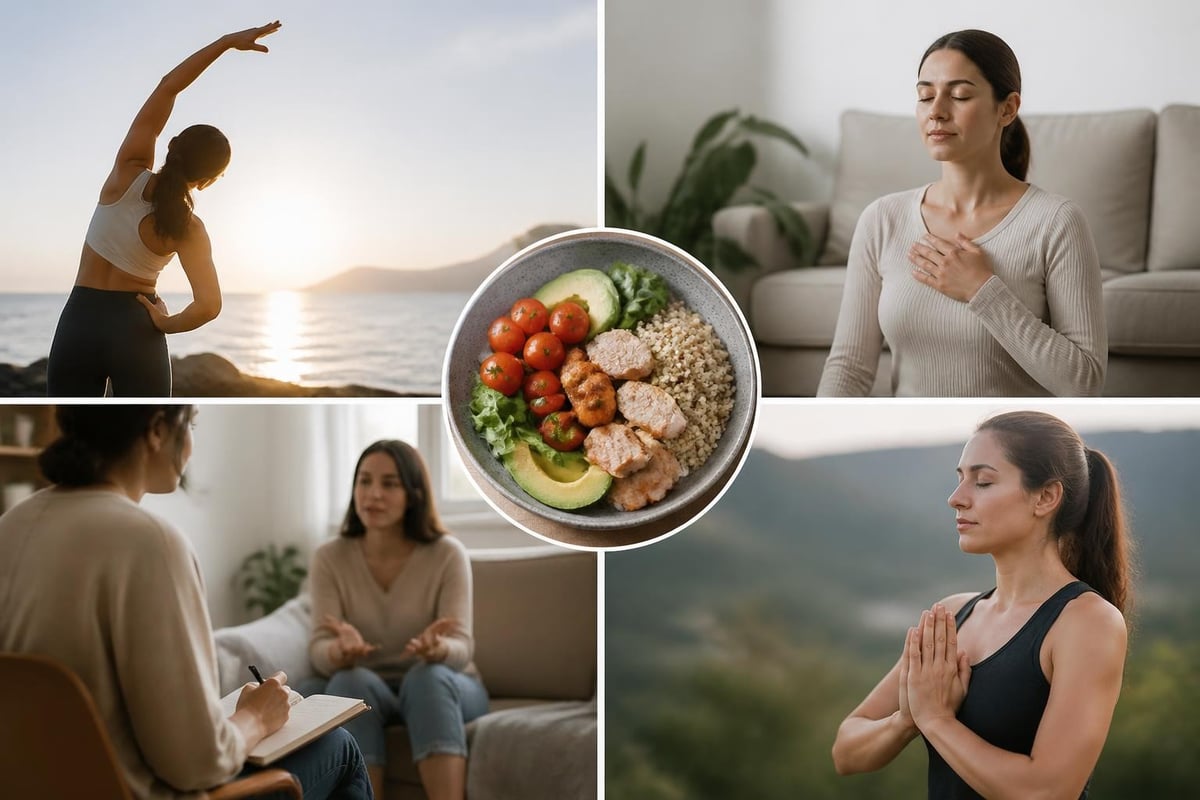
Combining several natural strategies creates synergistic effects stronger than any single intervention. Your personalized plan might include daily exercise, weekly hypnotherapy sessions, consistent sleep hygiene, dietary modifications, and regular mindfulness practice.
Sample integrated anxiety management schedule:
| Time of Day | Natural Intervention | Purpose |
|---|---|---|
| Morning | 20-minute walk outdoors | Activate body, reduce cortisol |
| Midday | 10-minute breathing practice | Reset nervous system |
| Afternoon | Nutrient-dense snack | Stabilize blood sugar |
| Evening | 30-minute yoga session | Release physical tension |
| Before bed | Progressive muscle relaxation | Prepare for quality sleep |
Start with 2-3 interventions and gradually expand as practices become habitual. Overwhelming yourself with too many changes simultaneously often increases anxiety rather than relieving it.
Measuring Progress and Adjusting Strategies
Natural anxiety interventions often work subtly over time rather than providing immediate dramatic relief. Tracking progress helps you recognize improvements and refine your approach.
Quantitative and Qualitative Markers
Beyond subjective anxiety ratings, monitor specific metrics like sleep duration, exercise frequency, caffeine consumption, and social engagement. These concrete data points reveal progress that might otherwise go unnoticed.
Qualitative markers matter equally. Notice changes in how quickly you recover from anxiety episodes, your willingness to engage in previously avoided situations, or improvements in concentration and decision-making. These shifts indicate meaningful progress even when anxiety hasn't completely disappeared.
When to Seek Professional Support
While many people successfully naturally cure anxiety through self-directed interventions, professional guidance accelerates progress and prevents complications. Persistent anxiety despite consistent natural interventions warrants professional assessment.
Warning signs requiring immediate professional help include suicidal thoughts, panic attacks interfering with daily functioning, substance use to manage anxiety, or physical symptoms suggesting medical conditions. Professional therapists can determine whether additional interventions would benefit your recovery.
Natural approaches to anxiety relief offer sustainable, empowering alternatives that address root causes rather than merely suppressing symptoms. By integrating lifestyle modifications, therapeutic practices, and mind-body techniques tailored to your unique needs, you can effectively manage anxiety and reclaim your well-being. The mind-body connection central to anxiety relief is precisely where hypnotherapy excels, helping you access deeper patterns and create lasting change. Strategic Hypnotherapy Clinic specializes in compassionate, expert guidance to help you overcome anxiety naturally through evidence-based hypnotherapy approaches designed for lasting results.


Leave a Reply
Your email is safe with us.