

Anxiety has become one of the defining challenges of modern life, affecting millions of Australians who struggle daily with persistent worry, racing thoughts, and physical symptoms that disrupt their wellbeing. Whether you experience occasional anxious moments or chronic anxiety that impacts your daily functioning, understanding effective strategies to relieve anxiety is essential for reclaiming control over your mental health. The good news is that multiple evidence-based approaches exist, ranging from immediate calming techniques to long-term therapeutic interventions that address the root causes of anxiety. This comprehensive guide explores proven methods to relieve anxiety, offering practical solutions that can be implemented immediately whilst also examining deeper therapeutic approaches that foster lasting change.
Understanding How Anxiety Manifests in Your Body and Mind
Anxiety operates on multiple levels simultaneously, creating a complex web of physical sensations, emotional responses, and cognitive patterns. The physical symptoms often include rapid heartbeat, shallow breathing, muscle tension, sweating, and digestive disturbances. These bodily responses stem from the activation of your sympathetic nervous system, which triggers the fight-or-flight response even when no immediate danger exists.
The cognitive aspects of anxiety manifest as racing thoughts, catastrophic thinking, difficulty concentrating, and persistent worry about future events. These mental patterns create a feedback loop where anxious thoughts intensify physical symptoms, which then generate more anxious thoughts. Understanding this mind-body connection is crucial when developing strategies to relieve anxiety effectively.
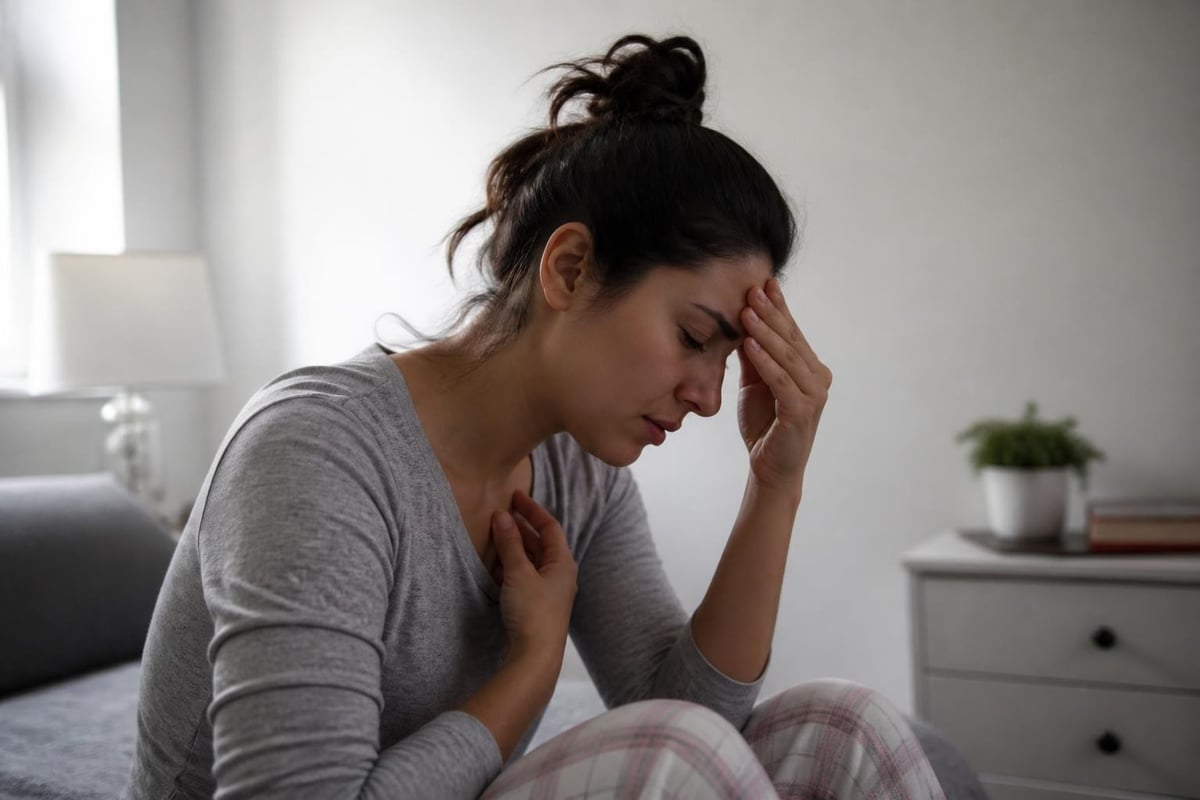
Many people experiencing anxiety also notice behavioural changes such as avoidance of certain situations, restlessness, difficulty sleeping, and changes in appetite. These adaptations, whilst often developed as coping mechanisms, can inadvertently reinforce anxiety patterns over time. Recognising these manifestations across physical, cognitive, and behavioural domains helps identify which interventions might prove most beneficial for your specific anxiety profile.
Immediate Techniques to Relieve Anxiety During Acute Episodes
When anxiety strikes suddenly, having a toolkit of rapid-response techniques can prevent escalation and restore a sense of control. The following methods provide immediate relief by interrupting the physiological anxiety response:
Controlled Breathing Exercises
Diaphragmatic breathing serves as one of the most powerful immediate interventions to relieve anxiety. This technique involves breathing deeply into your abdomen rather than shallowly into your chest, which activates the parasympathetic nervous system and counters the fight-or-flight response.
- Find a comfortable seated or lying position
- Place one hand on your chest and the other on your abdomen
- Breathe in slowly through your nose for four counts, ensuring your abdomen rises more than your chest
- Hold your breath for four counts
- Exhale slowly through your mouth for six counts
- Repeat for five to ten cycles
The Cleveland Clinic recommends deep breathing as a foundational technique because it provides measurable physiological changes that reduce anxiety symptoms within minutes. The extended exhale particularly stimulates the vagus nerve, which signals your body to relax.
Grounding Techniques for Dissociation and Panic
The 5-4-3-2-1 grounding method helps anchor you to the present moment when anxiety creates feelings of dissociation or panic. This sensory-based approach redirects attention away from anxious thoughts toward immediate physical reality:
- 5 things you can see (describe them in detail)
- 4 things you can touch (notice textures and temperatures)
- 3 things you can hear (both near and distant sounds)
- 2 things you can smell (or recall favourite scents)
- 1 thing you can taste (or imagine a pleasant flavour)
This technique proves particularly effective because it engages multiple sensory channels simultaneously, making it difficult for anxious thought patterns to maintain their intensity. The descriptive element adds another layer of cognitive engagement that further disrupts anxiety spirals.
Progressive Muscle Relaxation
This systematic approach involves tensing and releasing muscle groups throughout your body, creating awareness of the difference between tension and relaxation. Start with your feet and work upward, tensing each muscle group for five seconds before releasing for ten seconds. This method addresses the physical tension that both results from and contributes to anxious states.
Natural Lifestyle Modifications That Reduce Baseline Anxiety
Beyond immediate crisis management, implementing sustainable lifestyle changes creates a foundation of resilience that reduces both the frequency and intensity of anxiety episodes. These modifications work synergistically to support your nervous system's capacity for regulation.
Physical Activity and Exercise
Regular physical activity stands out as one of the most evidence-supported methods to relieve anxiety over the long term. Exercise reduces anxiety through multiple mechanisms including the release of endorphins, reduction of stress hormones like cortisol, improvement in sleep quality, and enhancement of self-efficacy.
| Exercise Type | Anxiety Reduction Benefit | Recommended Frequency |
|---|---|---|
| Aerobic exercise (walking, running, cycling) | Reduces overall anxiety levels, improves mood | 30 minutes, 5 days per week |
| Yoga | Combines movement with breathwork and mindfulness | 2-3 sessions per week |
| Strength training | Builds confidence, reduces muscle tension | 2-3 sessions per week |
| Tai chi or qigong | Promotes mind-body awareness, calms nervous system | 2-4 sessions per week |
The key is consistency rather than intensity. Even moderate daily walks provide substantial anxiety reduction benefits, particularly when performed in natural environments where exposure to green spaces amplifies the calming effects.
Dietary Considerations and Nutritional Support
What you consume significantly influences your anxiety levels through both blood sugar regulation and neurotransmitter production. Healthline’s guide to natural anxiety reduction emphasises the importance of a balanced diet in managing anxiety symptoms.
Foods that support anxiety management:
- Complex carbohydrates (whole grains, vegetables) for stable blood sugar
- Omega-3 fatty acids (fish, walnuts, flaxseed) for brain health
- Magnesium-rich foods (leafy greens, nuts, seeds) for nervous system regulation
- Probiotic-containing foods (yoghurt, kefir, sauerkraut) for gut-brain axis support
Substances to limit or avoid:
- Caffeine, which can trigger or worsen anxiety symptoms
- Alcohol, which disrupts sleep and creates rebound anxiety
- Refined sugars, which cause blood sugar instability
- Processed foods high in additives and preservatives
Hydration also plays a crucial role, as even mild dehydration can increase cortisol levels and exacerbate anxiety symptoms. Aim for eight to ten glasses of water daily, adjusted for activity level and climate.
Sleep Hygiene and Rest
Quality sleep serves as both a buffer against anxiety and a casualty of it, creating a bidirectional relationship that requires intentional management. Poor sleep reduces your capacity to regulate emotions and handle stress, whilst anxiety disrupts sleep architecture and prevents restorative rest.
Establishing consistent sleep hygiene practices helps break this cycle. These include maintaining regular sleep and wake times even on weekends, creating a cool, dark, quiet sleeping environment, limiting screen exposure for ninety minutes before bed, and developing a relaxing pre-sleep routine that might include reading, gentle stretching, or meditation.
Mindfulness and Cognitive Approaches to Relieve Anxiety
Shifting your relationship with anxious thoughts represents a powerful alternative to simply trying to eliminate them. Mindfulness-based approaches teach you to observe thoughts and sensations without judgment or resistance, reducing their power to trigger distress.
Mindfulness Meditation Practice
Regular mindfulness meditation rewires neural pathways associated with anxiety, strengthening areas of the brain involved in emotional regulation whilst reducing activity in the amygdala, the brain's fear centre. Even brief daily practice yields measurable benefits.
A basic mindfulness meditation involves sitting comfortably, focusing attention on your breath, noticing when your mind wanders to anxious thoughts, and gently returning focus to your breath without self-criticism. This simple practice teaches the fundamental skill of observing thoughts rather than becoming entangled in them.
Research on effective anxiety coping techniques demonstrates that consistent mindfulness practice reduces worry, rumination, and reactivity to anxiety-provoking situations. The benefits accumulate over time, with practitioners reporting decreased baseline anxiety levels after eight to twelve weeks of regular practice.
Cognitive Reframing Techniques
Anxiety often stems from cognitive distortions such as catastrophising, overgeneralisation, and black-and-white thinking. Learning to identify and challenge these thought patterns reduces their emotional impact.
When you notice an anxious thought, ask yourself:
- What evidence supports this thought?
- What evidence contradicts it?
- What would I tell a friend having this thought?
- What's the most realistic outcome, not the worst possible one?
- How important will this be in a week, month, or year?
This structured questioning interrupts automatic anxiety responses and introduces realistic perspective. Over time, these questioning techniques become habitual, reducing the frequency and intensity of anxious thought patterns.
Journaling for Anxiety Management
Written expression provides a powerful outlet for anxious thoughts whilst creating distance that facilitates perspective. Stream-of-consciousness journaling allows you to externalize worries, whilst structured journaling prompts can help identify patterns and triggers.
Effective journaling approaches for anxiety include worry periods where you schedule specific times to write about concerns rather than ruminating throughout the day, gratitude journaling to counterbalance negative bias, and thought records that track anxious thoughts alongside evidence and alternative perspectives.
The Role of Professional Therapeutic Interventions
Whilst self-help strategies provide valuable tools to relieve anxiety, professional therapeutic interventions address deeper patterns and offer personalized guidance that accelerates progress and prevents relapse.
Hypnotherapy for Anxiety Resolution
Hypnotherapy offers a unique approach to anxiety by working directly with the subconscious mind where anxious patterns are encoded. This therapeutic modality has gained increasing recognition for its effectiveness in treating various anxiety disorders, with research supporting its ability to reduce symptoms more rapidly than traditional talk therapy alone.
During hypnotherapy sessions, you enter a deeply relaxed state where the conscious mind's critical filters soften, allowing the therapist to communicate directly with the subconscious. This access enables the identification and reprocessing of the root causes of anxiety, whether they stem from past experiences, learned behaviours, or limiting beliefs about safety and capability.
Strategic Hypnotherapy Clinic’s anxiety services utilize this mind-body connection to help clients develop new neural pathways that support calm, confident responses rather than anxious reactions. The process typically involves identifying triggers, understanding the positive intention behind the anxiety response, and installing healthier coping mechanisms at the subconscious level.
The benefits of hypnotherapy for anxiety include:
- Rapid symptom reduction often within a few sessions
- Access to root causes that conscious processing cannot reach
- Installation of positive coping resources at the subconscious level
- Reduction in physical anxiety symptoms through nervous system regulation
- Long-lasting results due to fundamental pattern restructuring
Many clients report that hypnotherapy provides relief where other approaches have fallen short, particularly for anxiety that seems resistant to conscious effort or logical reasoning. The deeply relaxed state itself provides immediate relief, whilst the therapeutic work creates lasting change.
Cognitive Behavioural Therapy (CBT)
CBT represents the gold standard in evidence-based anxiety treatment, focusing on the connections between thoughts, feelings, and behaviours. This structured approach teaches you to identify automatic negative thoughts, evaluate their accuracy, and develop more balanced thinking patterns.
| CBT Component | How It Addresses Anxiety | Time Frame |
|---|---|---|
| Cognitive restructuring | Challenges distorted thinking patterns | 6-12 weeks |
| Exposure therapy | Gradually reduces fear through controlled exposure | 8-16 weeks |
| Behavioural experiments | Tests anxious predictions against reality | Ongoing |
| Relaxation training | Builds physiological calming skills | 4-8 weeks |
CBT homework assignments extend learning beyond therapy sessions, creating opportunities to practice new skills in real-world situations. This active engagement accelerates progress and builds confidence in managing anxiety independently.
Acceptance and Commitment Therapy (ACT)
ACT takes a different approach from CBT by emphasizing acceptance of anxious thoughts and feelings rather than attempting to change or eliminate them. This paradoxical strategy reduces the struggle against anxiety, which often intensifies symptoms.
The therapy focuses on clarifying your values and taking committed action toward those values even in the presence of anxiety. This shift from symptom elimination to value-aligned living often results in reduced anxiety as a secondary benefit, whilst the primary gain is a more meaningful and engaged life.
Building a Personalised Anxiety Management Plan
Effective anxiety management requires a personalized approach that considers your unique triggers, symptoms, lifestyle, and preferences. Healthline’s comprehensive guide to calming anxiety emphasizes the importance of having multiple strategies available for different situations.
Identifying Your Anxiety Triggers and Patterns
Begin by tracking your anxiety episodes for two to four weeks, noting:
- Time of day and day of week
- Physical location and social context
- Preceding events or thoughts
- Physical symptoms experienced
- Intensity on a scale of 1-10
- Duration of the episode
- What helped reduce symptoms
This data reveals patterns that inform your management strategy. You might discover that your anxiety spikes at certain times, in specific situations, or following particular types of interactions. Understanding your unique anxiety profile enables targeted intervention.
Creating Your Anxiety Management Toolkit
Based on your patterns and preferences, assemble a personalized toolkit of strategies to relieve anxiety across different timeframes and contexts:
Immediate relief (0-15 minutes):
- Breathing exercises specific to your preferences
- Grounding techniques
- Physical movement or stretching
- Splashing cold water on face
- Listening to calming music
Short-term management (15 minutes to 2 hours):
- Going for a walk in nature
- Practicing progressive muscle relaxation
- Journaling worries and alternative perspectives
- Calling a supportive friend
- Engaging in a absorbing activity
Long-term foundation building:
- Regular exercise routine
- Consistent sleep schedule
- Mindfulness meditation practice
- Professional therapy sessions
- Dietary modifications
Having this structured approach prevents the paralysis that anxiety often creates, providing clear action steps regardless of symptom intensity.
Monitoring Progress and Adjusting Strategies
Effective anxiety management involves ongoing assessment and refinement. Monthly reviews of your anxiety tracking data help identify what's working and what needs adjustment. Notice trends in symptom frequency, intensity, and duration over time rather than focusing on individual episodes.

Celebrate progress even when it seems incremental, as sustainable anxiety reduction typically occurs gradually rather than through dramatic overnight changes. The goal is not perfect elimination of all anxious feelings but rather increased resilience, faster recovery, and reduced interference with valued activities and relationships.
Integrating Social Support and Connection
Human connection serves as a powerful antidote to anxiety, yet anxiety often drives isolation that exacerbates symptoms. Deliberately cultivating supportive relationships and maintaining social engagement provides both immediate comfort during anxious episodes and long-term protective benefits.
Building Your Support Network
Identify trusted individuals who can provide different types of support. Some people excel at active listening without trying to fix or minimize your experience. Others might be better companions for anxiety-reducing activities like walking or exercise. Still others might offer practical help with tasks that feel overwhelming during high-anxiety periods.
Communicate your needs clearly to your support network. Let them know what helps (listening, distraction, accompaniment to appointments) and what doesn't (minimizing statements, unsolicited advice, pressure to "just relax"). Most people want to help but don't know how unless you guide them.
Understanding and recognizing anxiety symptoms can help both you and your support network identify when additional help is needed and respond appropriately.
Professional Support Systems
Beyond friends and family, professional support provides specialized expertise and objective perspective. This might include your general practitioner, a psychologist or counselor, a hypnotherapist specializing in anxiety, or support groups where you can connect with others managing similar challenges.
The services offered at Strategic Hypnotherapy Clinic demonstrate how professional therapeutic support can complement self-help strategies, providing the structure and expertise needed for deeper transformation. Many people find that combining professional therapy with personal practice creates synergistic effects that accelerate progress.
Addressing Anxiety Without Relying Solely on Medication
Whilst medication plays an important role for some people managing severe anxiety, many individuals seek alternatives or complementary approaches to relieve anxiety without pharmaceutical intervention. This preference stems from concerns about side effects, dependency, or a desire to address root causes rather than only managing symptoms.
Natural approaches to anxiety management offer several advantages including the development of transferable skills that serve you throughout life, absence of medication side effects, and addressing underlying causes rather than only suppressing symptoms. However, it's essential to acknowledge that severe anxiety may benefit from a combined approach that includes both therapeutic interventions and medication, particularly in the short term whilst building other coping resources.
Natural methods to reduce anxiety encompass the lifestyle modifications, therapeutic approaches, and mind-body practices discussed throughout this article. These evidence-based strategies provide substantial relief for many people whilst developing lasting resilience against future anxiety episodes.
The decision about whether to use medication should be made in consultation with qualified healthcare providers who can assess your individual situation, severity of symptoms, and treatment goals. Many people successfully manage anxiety through therapeutic and lifestyle approaches alone, whilst others benefit from medication during acute periods or as part of a comprehensive treatment plan.
The Power of Consistency and Patience in Anxiety Recovery
Perhaps the most crucial element in learning to relieve anxiety effectively is consistency in applying chosen strategies combined with patience regarding the timeline of change. Anxiety patterns often develop over years, shaped by experiences, learned responses, and neural pathways that have been reinforced thousands of times. Expecting these patterns to dissolve overnight sets unrealistic expectations that can fuel further anxiety when progress seems slow.
Research on neuroplasticity demonstrates that the brain can indeed rewire itself, but this rewiring requires repeated practice of new responses. Each time you practice a breathing exercise instead of catastrophizing, choose to engage socially instead of isolating, or challenge an anxious thought instead of accepting it uncritically, you strengthen new neural pathways whilst weakening old anxious ones.
The transformation occurs incrementally through these repeated choices. Some days will feel like regression, whilst others demonstrate clear progress. The overall trajectory matters more than daily fluctuations. Tracking your progress over weeks and months rather than day-to-day helps maintain perspective and recognize genuine improvement that might otherwise go unnoticed.
Working with professionals like those at Strategic Hypnotherapy Clinic provides accountability, expert guidance, and personalized adjustments to your anxiety management approach. This support helps maintain consistency during challenging periods when motivation wanes or symptoms intensify.
Managing anxiety effectively requires a multifaceted approach combining immediate calming techniques, sustainable lifestyle modifications, cognitive strategies, and professional therapeutic support when needed. The journey to relieve anxiety is deeply personal, requiring patience and commitment to discovering which combination of approaches works best for your unique situation. If you're ready to address anxiety at its roots through the powerful mind-body connection that hypnotherapy offers, Strategic Hypnotherapy Clinic provides compassionate, expert guidance to help you develop lasting relief and reclaim the calm, confident life you deserve.


Leave a Reply
Your email is safe with us.