

Anxiety can strike without warning, leaving you feeling overwhelmed, disconnected, and unable to focus on the present moment. Whether you're preparing for an important presentation, navigating a challenging conversation, or simply experiencing the weight of daily pressures, knowing how to instantly reduce anxiety can transform your ability to cope with life's demands. The good news is that your body and mind possess innate mechanisms for calming the nervous system, and with the right techniques, you can activate these responses within moments. Understanding these evidence-based approaches empowers you to take control when anxiety threatens to derail your day.
Understanding the Anxiety Response
When anxiety takes hold, your body initiates a complex cascade of physiological changes designed to protect you from perceived threats. The sympathetic nervous system activates, triggering the release of stress hormones like cortisol and adrenaline. Your heart rate increases, breathing becomes shallow and rapid, muscles tense, and your mind races with worried thoughts.
This fight-or-flight response served our ancestors well when facing physical dangers, but in modern life, it often activates in response to psychological stressors rather than actual threats. The challenge lies in recognizing that whilst your body is responding as if you're in danger, you can consciously engage your parasympathetic nervous system to counteract these effects.
Key physiological changes during anxiety:
- Elevated heart rate and blood pressure
- Rapid, shallow breathing patterns
- Muscle tension throughout the body
- Increased perspiration
- Digestive disturbances
- Mental fog or racing thoughts
Understanding these mechanisms helps you recognize that anxiety is a natural response, not a personal failing. Recognizing the signs of anxiety forms the foundation for implementing effective intervention strategies.
Breathing Techniques That Work Immediately
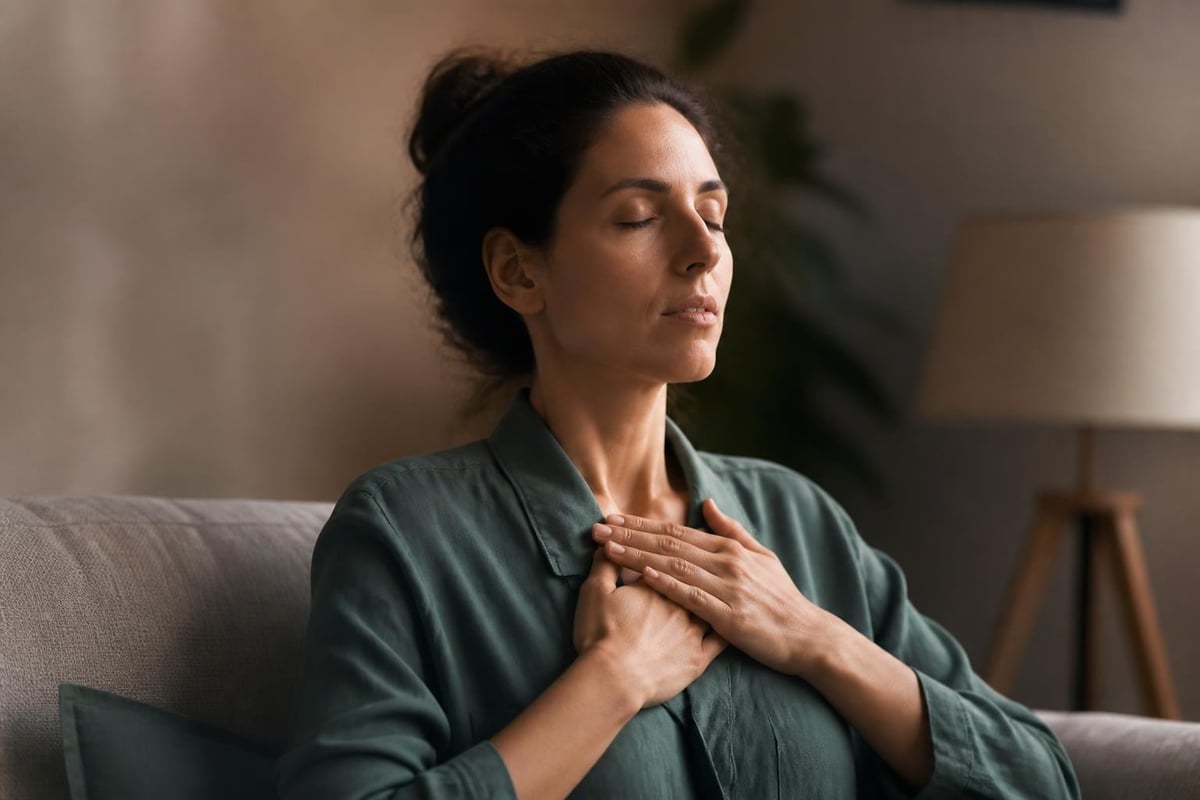
Perhaps the most powerful tool to instantly reduce anxiety lies within something you do automatically every moment: breathing. When anxiety strikes, your breathing pattern shifts to rapid, shallow breaths that originate from the chest rather than the diaphragm. This pattern actually reinforces the anxiety response, creating a cycle that intensifies your distress.
The 4-7-8 Breathing Method
This technique, developed by Dr. Andrew Weil, provides a structured approach that activates your relaxation response almost immediately. The pattern forces you to slow your breathing and increase oxygen flow throughout your body.
How to practice 4-7-8 breathing:
- Exhale completely through your mouth, making a whooshing sound
- Close your mouth and inhale quietly through your nose for a count of four
- Hold your breath for a count of seven
- Exhale completely through your mouth for a count of eight
- Repeat the cycle three to four times
The extended exhale is particularly important, as it stimulates the vagus nerve and signals your body to shift from the stress response to a state of calm. Research shows that deep breathing exercises effectively activate the body’s relaxation response, making this one of the most reliable methods to instantly reduce anxiety.
Box Breathing for Focus
Used by military personnel and emergency responders, box breathing creates equal intervals for inhaling, holding, exhaling, and holding again. This technique not only calms anxiety but also sharpens mental clarity and focus.
| Phase | Duration | Action |
|---|---|---|
| Inhale | 4 counts | Breathe in through nose |
| Hold | 4 counts | Retain the breath |
| Exhale | 4 counts | Breathe out through mouth |
| Hold | 4 counts | Rest before next inhale |
Practice this pattern for two to three minutes whenever you notice anxiety building. The rhythmic nature creates a meditative quality that redirects your attention away from anxious thoughts and anchors you in the physical sensation of breathing.
Grounding Techniques for Immediate Relief
When anxiety disconnects you from the present moment, grounding techniques serve as an anchor to reality. These methods engage your senses to shift attention away from anxious thoughts and back to your immediate environment.
The 5-4-3-2-1 technique stands out as particularly effective because it systematically engages all five senses. Grounding techniques help refocus on the present moment, providing immediate relief from overwhelming anxiety.
The 5-4-3-2-1 Sensory Exercise
This exercise works by occupying your mind with observational tasks rather than worry:
- Five things you can see: Look around and identify five objects, noting their colours, shapes, or textures
- Four things you can touch: Focus on the physical sensations of four different textures around you
- Three things you can hear: Listen carefully and identify three distinct sounds
- Two things you can smell: Notice two different scents in your environment
- One thing you can taste: Focus on the current taste in your mouth or take a sip of water
This progressive exercise takes just a few minutes but effectively interrupts the anxiety spiral. By the time you complete all five steps, your nervous system has begun shifting toward a calmer state.
Physical Grounding Methods
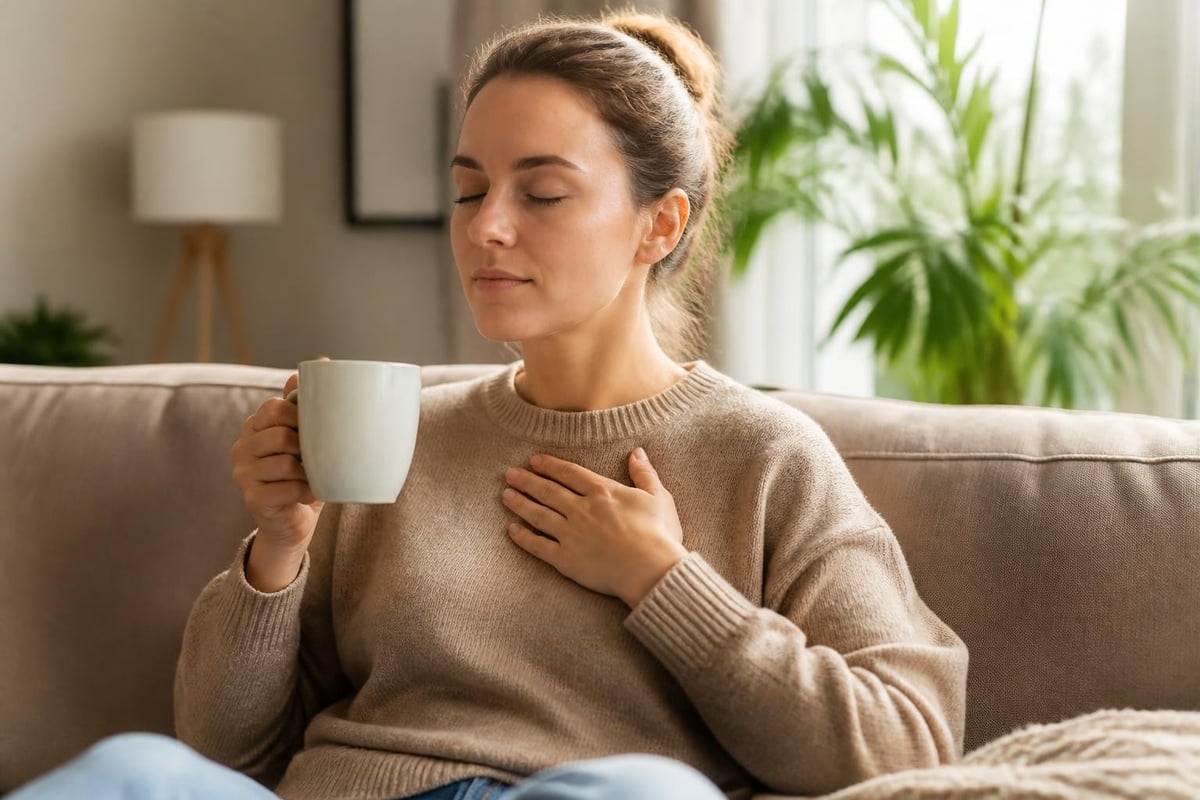
Beyond sensory observation, physical grounding techniques use movement and tactile sensations to instantly reduce anxiety:
- Press your feet firmly into the floor and notice the sensation of contact
- Hold an ice cube in your hand and focus on the temperature change
- Stretch your arms overhead and feel the extension through your muscles
- Touch different textures around you, noting smooth, rough, soft, or hard surfaces
These physical methods prove especially useful when anxiety manifests as restlessness or the urge to escape. They provide a constructive outlet for nervous energy whilst simultaneously calming your mind.
Progressive Muscle Relaxation
Anxiety creates tension throughout the body, often without conscious awareness. Progressive muscle relaxation (PMR) addresses this physical component by systematically tensing and releasing muscle groups. This technique not only reduces physical tension but also trains you to recognize the difference between tense and relaxed states.
The practice involves working through major muscle groups in sequence, typically starting from the feet and moving upward to the head. For each muscle group, you deliberately tense the muscles for five seconds, then release and notice the sensation of relaxation for ten to fifteen seconds.
Muscle groups to target:
- Feet and toes
- Calves and lower legs
- Thighs and upper legs
- Buttocks and hips
- Stomach and abdomen
- Chest and back
- Hands and forearms
- Upper arms and shoulders
- Neck and throat
- Face and jaw
With regular practice, you can complete a full PMR sequence in ten to fifteen minutes, though even focusing on a few key areas can instantly reduce anxiety when time is limited. Many find that addressing the shoulders, jaw, and hands provides the most immediate relief.
The Power of Self-Talk and Cognitive Techniques
The thoughts running through your mind during anxiety often exacerbate the physical symptoms. Anxious thinking tends toward catastrophizing, overgeneralizing, and assuming the worst possible outcomes. Interrupting these thought patterns requires conscious effort but delivers powerful results.
Challenge Anxious Thoughts
When anxiety strikes, pause and examine the thoughts fueling your distress. Science-backed strategies to lower anxiety include questioning the validity and helpfulness of anxious thoughts.
Ask yourself these questions:
- What evidence supports this thought?
- What evidence contradicts it?
- Am I confusing a thought with a fact?
- What would I tell a friend having this thought?
- Will this matter in a week, month, or year?
This cognitive restructuring doesn't dismiss your feelings but rather examines whether your thoughts accurately reflect reality. Often, you'll discover that anxiety magnifies threats and minimizes your ability to cope.
Positive Self-Reassurance
Beyond challenging negative thoughts, actively provide yourself with reassuring statements. These affirmations work best when they're specific, realistic, and personally meaningful rather than generic platitudes.
| Anxious Thought | Reassuring Response |
|---|---|
| "I can't handle this" | "I've managed difficult situations before and can cope with this one too" |
| "Everything will go wrong" | "I'm prepared and can handle whatever happens" |
| "Everyone will judge me" | "Most people are focused on themselves, not scrutinizing my every move" |
| "This feeling will last forever" | "Anxiety is temporary and will pass, just as it has before" |
Movement and Physical Activity
Physical movement serves as one of the most effective ways to instantly reduce anxiety because it addresses both the physiological and psychological components simultaneously. When you move your body, you metabolize stress hormones, release endorphins, and shift your focus away from anxious thoughts.
You don't need an intense workout to experience benefits. Physical activity helps manage immediate feelings of anxiety through various mechanisms, and even gentle movement creates positive changes.
Quick movement strategies:
- Take a brisk five-minute walk, preferably outdoors
- Do ten jumping jacks or run in place for thirty seconds
- Practice gentle yoga stretches, focusing on areas where you hold tension
- Dance to a favorite upbeat song
- Perform simple exercises like squats or push-ups
The key lies in choosing movement that feels accessible and appealing in the moment. If anxiety has you feeling frozen, start with the smallest movement-even shaking out your hands or rolling your shoulders can begin the shift toward a calmer state.

Creating Your Personal Anxiety Reduction Toolkit
No single technique works for everyone in every situation. Building a personalized toolkit of strategies ensures you have multiple options to instantly reduce anxiety regardless of circumstances. Some techniques work better for certain types of anxiety or specific environments.
Consider which methods work best for you in different contexts:
At work or in public settings:
- Discreet breathing exercises (box breathing with eyes open)
- Mental grounding (5-4-3-2-1 with minimal movement)
- Brief walks or trips to another room
- Cognitive restructuring through questioning thoughts
At home or in private:
- Full progressive muscle relaxation sequences
- Extended breathing practices
- Movement and physical exercise
- Vocal techniques like humming or singing
In social situations:
- Subtle grounding through texture awareness
- Controlled breathing synchronized with conversation pauses
- Brief bathroom breaks for reset
- Focusing outward on others rather than internal anxiety
Experiment with different techniques during calmer moments so you're familiar with them when anxiety strikes. This preparation makes the methods more accessible and effective when you need them most.
The Role of Professional Support
Whilst these immediate techniques provide valuable tools to instantly reduce anxiety in the moment, chronic or severe anxiety often benefits from professional intervention. Hypnotherapy services offer deeper access to the mind-body connection that underlies anxiety patterns.
Hypnotherapy works by accessing the subconscious mind, where many anxiety triggers and responses originate. Through this therapeutic approach, you can identify root causes, reframe limiting beliefs, and establish new neural pathways that support calmer responses to stress. The techniques learned during hypnotherapy sessions complement immediate anxiety reduction strategies, creating a comprehensive approach to long-term well-being.
Many individuals find that combining immediate coping techniques with professional support creates the most sustainable results. The quick strategies manage acute symptoms, whilst therapeutic work addresses underlying patterns. Research indicates positive outcomes in treating anxiety through various therapeutic interventions, including those that harness the mind-body connection.
Building Long-Term Resilience
Beyond managing acute anxiety episodes, regular practice of these techniques builds resilience that reduces the frequency and intensity of future anxiety. Think of these methods not just as emergency tools but as preventative medicine for your mental health.
Daily practices for anxiety resilience:
- Morning breathing routine (5-10 minutes of structured breathing)
- Regular physical activity or movement breaks
- Mindfulness meditation to strengthen present-moment awareness
- Journaling to process thoughts and emotions
- Adequate sleep and consistent sleep schedule
- Limiting caffeine and other stimulants
- Connecting with supportive people
Consistency matters more than intensity. Five minutes of daily breathing practice delivers more benefit than occasional thirty-minute sessions. By making these techniques habitual, you strengthen your nervous system's ability to maintain balance and recover quickly from stress.
Integrating Multiple Approaches
The most effective anxiety management combines several techniques rather than relying on a single method. When you notice anxiety building, you might start with three cycles of 4-7-8 breathing, followed by the 5-4-3-2-1 grounding exercise, and conclude with some cognitive restructuring of anxious thoughts.
This layered approach addresses anxiety from multiple angles simultaneously. The breathing calms your physiology, grounding anchors you in the present, and cognitive work addresses the mental component. Together, these create a comprehensive response that can instantly reduce anxiety more effectively than any single technique alone.
Pay attention to which combinations work best for you. Some people find physical movement followed by breathing most effective, whilst others prefer starting with grounding and finishing with movement. There's no single correct sequence-the right approach is the one that works for your unique needs.
Environmental Modifications
Your environment significantly influences your anxiety levels. When possible, make immediate changes to your surroundings to support anxiety reduction. These modifications work synergistically with the techniques already discussed.
Environmental adjustments that help:
- Reduce sensory overload by dimming lights or moving to a quieter space
- Step outside for fresh air and natural light exposure
- Remove yourself temporarily from triggering situations
- Create physical distance from screens and digital devices
- Adjust room temperature to a comfortable level
- Play calming music or nature sounds
Sometimes immediate anxiety relief requires simply changing your location. Moving from a crowded, noisy environment to a quiet space can shift your nervous system's state almost instantly. When environmental change isn't possible, closing your eyes and visualizing a peaceful setting provides similar benefits.
The Mind-Body Connection in Practice
All these techniques to instantly reduce anxiety share a common foundation: they leverage the intimate connection between mind and body. Your thoughts influence your physical state, and your physical state shapes your thoughts. By intervening at either point, you create changes throughout the entire system.
This bidirectional relationship explains why breathing (a physical act) can calm anxious thoughts, and why changing your thoughts (a mental process) can relax tense muscles. Hypnotherapy excels at accessing this connection at a deeper level, facilitating changes that might be difficult to achieve through conscious effort alone.
Understanding this connection empowers you to recognize that you're not helpless in the face of anxiety. Your body possesses built-in mechanisms for restoration and calm, and you can consciously activate these systems through the techniques outlined here. This knowledge itself reduces anxiety by replacing helplessness with agency.
Learning to instantly reduce anxiety through evidence-based techniques transforms your relationship with stress and empowers you to navigate life's challenges with greater confidence and resilience. Whilst these immediate strategies provide valuable relief, addressing the underlying patterns that fuel chronic anxiety creates lasting change. Strategic Hypnotherapy Clinic specializes in helping individuals harness the mind-body connection to overcome anxiety and foster genuine, sustainable well-being. If you're ready to move beyond managing symptoms to resolving root causes, Strategic Hypnotherapy Clinic offers compassionate, expert support tailored to your unique journey toward lasting peace and personal growth.


Leave a Reply
Your email is safe with us.