

Anxiety affects millions of Australians each year, creating barriers to personal growth, professional success, and overall well-being. Understanding the various things to decrease anxiety empowers individuals to take control of their mental health and develop sustainable strategies for managing anxious thoughts and feelings. From evidence-based therapeutic approaches like hypnotherapy to practical lifestyle modifications, the path to relief involves multiple complementary techniques that address both immediate symptoms and underlying patterns.
Understanding the Foundations of Anxiety Relief
The journey toward managing anxiety begins with recognising that different approaches work for different individuals. What proves effective for one person may require adjustment for another, making personalised strategies essential for long-term success.
Anxiety manifests through various channels, including physical sensations, racing thoughts, and behavioural patterns. Addressing these multiple dimensions requires a comprehensive approach that goes beyond surface-level solutions. The most effective things to decrease anxiety target the root causes rather than merely suppressing symptoms.
The Mind-Body Connection in Anxiety Management
Research continues to demonstrate the powerful relationship between mental and physical states. When we experience anxiety, our bodies respond with tangible physiological changes: elevated heart rate, shallow breathing, muscle tension, and heightened alertness. Conversely, by intentionally influencing our physical state, we can significantly impact our mental experience.
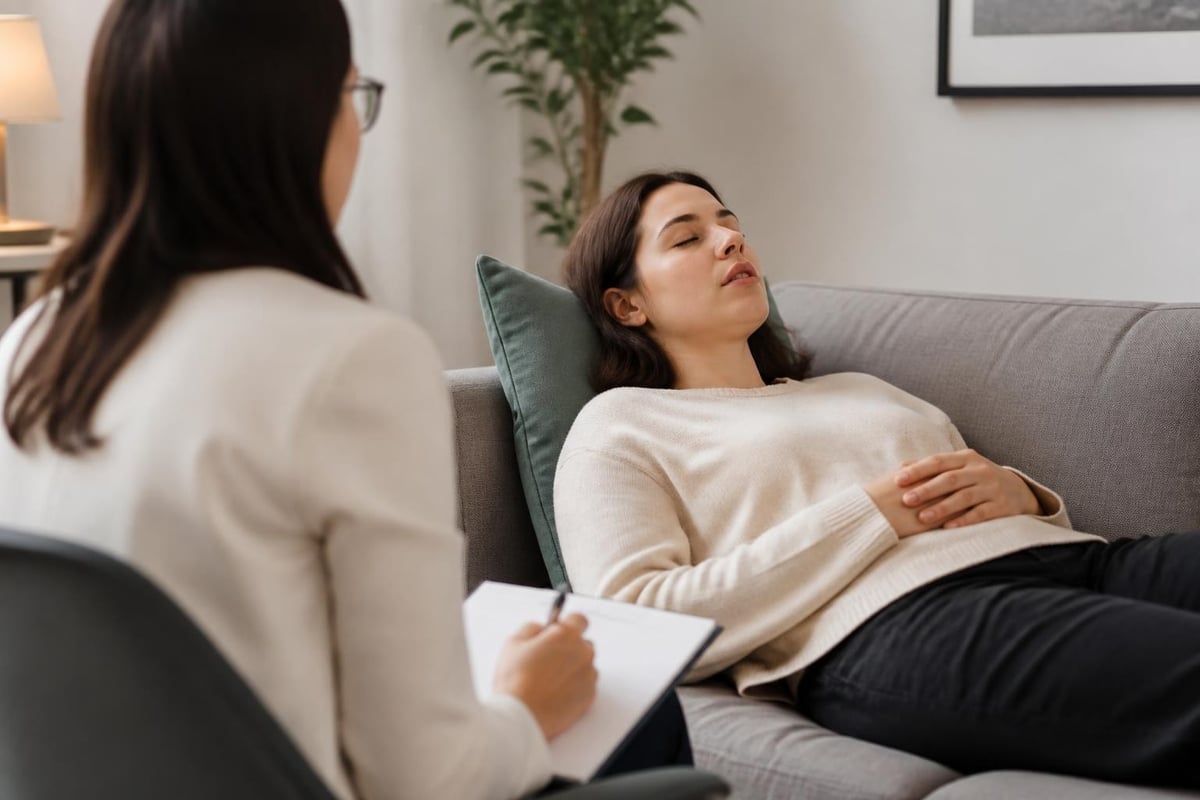
The therapeutic approach offered at Strategic Hypnotherapy Clinic harnesses this connection to create lasting change. Hypnotherapy works with the subconscious mind to reframe anxious thought patterns and establish new, healthier responses to stress triggers.
Breathing Techniques and Physical Interventions
Among the most accessible things to decrease anxiety are controlled breathing exercises. These techniques provide immediate relief while training the nervous system to respond more calmly over time.
Diaphragmatic Breathing Practice
Deep breathing from the diaphragm activates the parasympathetic nervous system, which counteracts the fight-or-flight response. This practice involves:
- Finding a comfortable position (sitting or lying down)
- Placing one hand on your chest and the other on your abdomen
- Inhaling slowly through your nose for a count of four
- Holding the breath for a count of four
- Exhaling gradually through your mouth for a count of six
- Repeating the cycle for five to ten minutes
The Cleveland Clinic emphasises practical breathing methods for calming anxiety that can be implemented anywhere, making them invaluable tools for managing acute symptoms.
Progressive Muscle Relaxation
This technique systematically releases physical tension throughout the body, creating a profound sense of relaxation that reduces anxiety. By deliberately tensing and then releasing muscle groups, individuals become more aware of where they hold stress and learn to consciously release it.
| Muscle Group | Tension Duration | Release Focus |
|---|---|---|
| Feet and calves | 5-7 seconds | Notice warmth and heaviness |
| Thighs and buttocks | 5-7 seconds | Feel muscles softening |
| Abdomen and chest | 5-7 seconds | Allow natural breathing |
| Hands and arms | 5-7 seconds | Sense tingling or relaxation |
| Shoulders and neck | 5-7 seconds | Drop shoulders naturally |
| Face and jaw | 5-7 seconds | Relax facial expression |
Lifestyle Modifications for Sustained Anxiety Reduction
While immediate relief techniques prove valuable, the most significant things to decrease anxiety involve sustainable lifestyle adjustments that address underlying factors contributing to anxious feelings.
Physical Activity and Exercise
Regular movement provides multiple benefits for anxiety management. Exercise releases endorphins, improves sleep quality, enhances self-confidence, and provides a healthy outlet for nervous energy. The natural approaches to reducing anxiety include consistent physical activity as a cornerstone strategy.
Optimal exercise patterns for anxiety relief include:
- Cardiovascular activities (walking, running, cycling) for 30 minutes daily
- Strength training sessions two to three times weekly
- Yoga or tai chi practices combining movement with mindfulness
- Outdoor activities that connect you with nature
- Group fitness classes offering social connection
Nutrition and Dietary Considerations
What we consume directly impacts our nervous system and mood regulation. Certain dietary choices support stable blood sugar levels and neurotransmitter production, while others may exacerbate anxiety symptoms.
Foods that support anxiety reduction:
- Complex carbohydrates for stable energy
- Omega-3 fatty acids found in fish and walnuts
- Magnesium-rich foods like leafy greens and legumes
- Probiotic foods supporting gut health
- Herbal teas such as chamomile and passionflower
Foods and substances to minimise:
- Excessive caffeine intake
- Refined sugars causing blood sugar fluctuations
- Alcohol, which disrupts sleep and mood regulation
- Processed foods high in additives
Sleep Quality and Anxiety Management
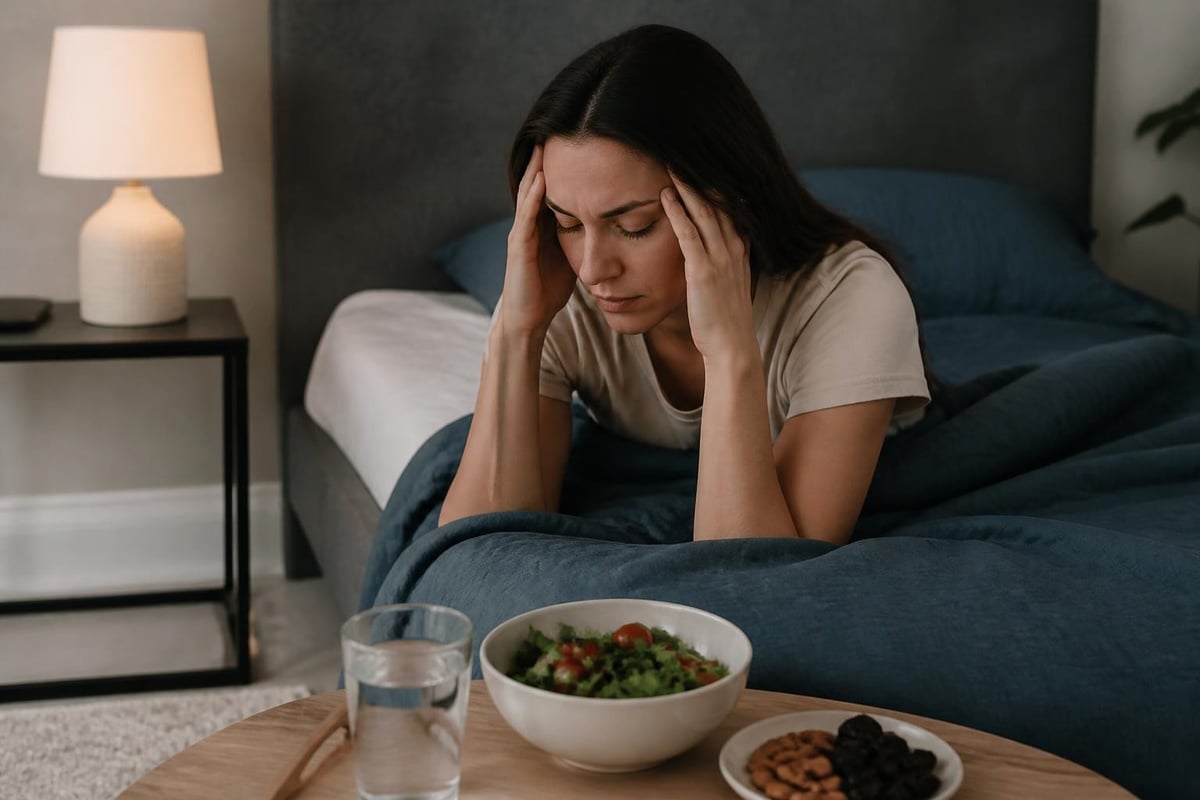
The relationship between sleep and anxiety creates a cyclical pattern: anxiety disrupts sleep, while poor sleep intensifies anxiety. Breaking this cycle requires deliberate attention to sleep hygiene and bedtime routines. Understanding how to improve sleep when experiencing anxiety becomes essential for comprehensive anxiety management.
Creating an Optimal Sleep Environment
Your bedroom environment significantly influences sleep quality. Consider these modifications:
- Temperature regulation between 16-19 degrees Celsius
- Darkness maximisation through blackout curtains or eye masks
- Noise reduction using white noise machines or earplugs
- Comfortable bedding suited to your preferences
- Technology removal at least one hour before sleep
Pre-Sleep Routines That Calm Anxiety
Establishing a consistent wind-down routine signals your nervous system that it's time to transition toward rest. These rituals become powerful things to decrease anxiety while promoting restorative sleep.
| Time Before Bed | Activity | Purpose |
|---|---|---|
| 2 hours | Stop caffeine consumption | Prevent stimulation |
| 90 minutes | Dim lighting throughout home | Trigger melatonin production |
| 60 minutes | Digital device shutdown | Reduce blue light exposure |
| 30 minutes | Gentle stretching or reading | Physical and mental relaxation |
| 15 minutes | Breathing exercises or meditation | Activate parasympathetic system |
Understanding anxiety habits that may worsen symptoms helps identify counterproductive patterns affecting sleep quality.
Cognitive and Mindfulness Approaches
The thoughts we habitually think create neural pathways that influence our emotional experiences. Cognitive strategies among the things to decrease anxiety focus on restructuring these thought patterns to create more balanced perspectives.
Mindfulness Meditation Practice
Mindfulness involves observing thoughts and sensations without judgement, creating space between stimulus and response. This practice reduces anxiety by:
- Decreasing rumination on past events or future worries
- Increasing present-moment awareness rather than anxious projection
- Developing observer perspective on anxious thoughts
- Building tolerance for uncomfortable sensations
- Enhancing emotional regulation through acceptance
Beginning with just five minutes daily and gradually extending practice duration creates sustainable habits. Research highlighted in psychologist-recommended anxiety techniques supports mindfulness as an evidence-based intervention.
Cognitive Restructuring Techniques
Anxious thinking often involves cognitive distortions: catastrophising, all-or-nothing thinking, overgeneralisation, and mind-reading. Identifying and challenging these patterns reduces their power over emotional states.
Common cognitive distortions and reframes:
- Catastrophising: "This will be a disaster" becomes "I've handled challenges before"
- All-or-nothing thinking: "I'm a complete failure" becomes "I struggled with this specific task"
- Overgeneralisation: "Nobody likes me" becomes "That person seemed distant today"
- Mind-reading: "They think I'm incompetent" becomes "I don't know what they're thinking"
Hypnotherapy as a Transformative Approach
Among the most powerful things to decrease anxiety, hypnotherapy offers unique access to the subconscious mind where anxiety patterns originate. Unlike techniques that work solely with conscious awareness, hypnotherapy addresses the automatic responses that trigger anxious feelings.
How Hypnotherapy Addresses Anxiety
During hypnotherapy sessions, individuals enter a deeply relaxed state that allows direct communication with the subconscious mind. This access enables:
Reframing of anxiety triggers from threats to manageable situations
Installation of calm responses to previously anxiety-inducing scenarios
Resolution of underlying emotional patterns contributing to anxiety
Development of self-hypnosis skills for ongoing self-management
Enhancement of confidence in handling challenging situations
The approach used at Strategic Hypnotherapy Clinic combines clinical expertise with compassionate support, creating a safe environment for profound transformation.
Complementary Therapeutic Approaches
Hypnotherapy works effectively alongside other evidence-based interventions. Many individuals benefit from combining hypnotherapy with:
- Cognitive behavioural therapy techniques
- Mindfulness practices
- Lifestyle modifications
- Medical treatment when appropriate
- Support groups or peer connections
Understanding the difference between stress and anxiety helps tailor interventions to specific experiences and needs.
Social Connection and Support Systems
Human beings are fundamentally social creatures, and isolation intensifies anxiety. Building and maintaining supportive relationships ranks among the essential things to decrease anxiety for long-term well-being.
Types of Beneficial Social Support
Different forms of connection serve various needs:
- Emotional support: Empathetic listening and validation
- Practical support: Assistance with tasks and responsibilities
- Informational support: Guidance and perspective
- Companionship support: Shared activities and presence
Communicating About Anxiety
Sharing experiences with trusted individuals reduces the burden of anxiety while fostering understanding. Effective communication involves:
- Choosing appropriate confidants who respond supportively
- Using specific language to describe your experience
- Setting boundaries around what you need
- Expressing appreciation for support received
- Reciprocating support when others face challenges
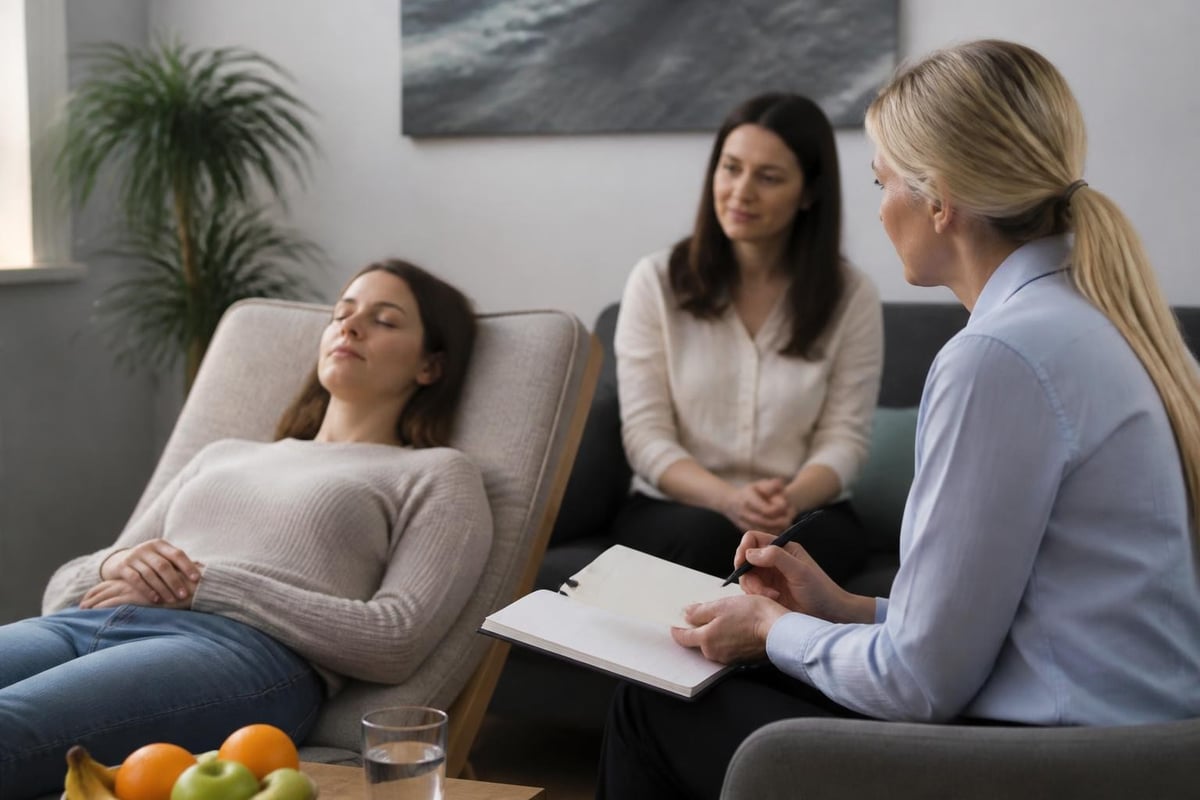
Professional support through therapy provides structured space for processing anxiety without burdening personal relationships. The services offered at Strategic Hypnotherapy Clinic include individualised approaches tailored to each person's unique needs and circumstances.
Environmental and Sensory Strategies
Our surroundings significantly influence mental states, making environmental modification one of the practical things to decrease anxiety. Small changes to physical spaces create cumulative impacts on emotional well-being.
Creating Calming Spaces
Designate areas in your home specifically for relaxation and anxiety relief:
- Comfortable seating that supports relaxation
- Soft textures through cushions and blankets
- Natural elements such as plants or water features
- Minimal clutter reducing visual overstimulation
- Personal meaningful items that evoke positive feelings
Sensory Grounding Techniques
When anxiety escalates, grounding exercises reconnect you with the present moment through sensory awareness. The 5-4-3-2-1 technique involves identifying:
| Sense | Number | Example |
|---|---|---|
| Sight | 5 things | Blue curtain, wooden table, green plant, framed photo, ceiling fan |
| Touch | 4 things | Soft fabric, cool surface, textured wall, smooth phone |
| Hearing | 3 things | Traffic sounds, refrigerator hum, bird chirping |
| Smell | 2 things | Coffee aroma, fresh air |
| Taste | 1 thing | Mint from gum or lingering tea flavour |
Establishing Consistent Routines
Predictability reduces anxiety by creating structure and eliminating unnecessary decision-making. Routines become protective things to decrease anxiety by providing stability during uncertain times.
Morning Routines for Anxiety Prevention
Starting the day intentionally sets a positive trajectory:
Wake at consistent times, even on weekends
Avoid immediately checking phones or news
Practice brief meditation or stretching
Eat nutritious breakfast supporting stable energy
Review daily intentions without overwhelming planning
Evening Routines for Anxiety Relief
Closing the day mindfully prevents anxiety from disrupting sleep:
- Reflect on three positive moments from the day
- Write down tomorrow's priorities to clear mental space
- Engage in relaxing activities without screens
- Practice gratitude or appreciation exercises
- Follow consistent bedtime for circadian rhythm support
Exploring methods for immediate anxiety relief provides additional strategies for acute symptoms.
Time Management and Boundary Setting
Overwhelm frequently triggers anxiety, making effective time management and clear boundaries essential protective factors. Learning to say no and prioritise self-care creates space for things to decrease anxiety.
Prioritisation Strategies
The Eisenhower Matrix categorises tasks by urgency and importance:
- Urgent and important: Do immediately
- Important but not urgent: Schedule deliberately
- Urgent but not important: Delegate if possible
- Neither urgent nor important: Eliminate
Setting Healthy Boundaries
Boundaries protect emotional energy and prevent anxiety-inducing overcommitment:
- Identify your limits regarding time, energy, and emotional capacity
- Communicate clearly about what you can reasonably commit to
- Practise saying no without excessive justification
- Honour your boundaries consistently
- Adjust as needed based on changing circumstances
Professional Support and Treatment Options
While self-help strategies provide valuable tools, professional guidance accelerates progress and ensures comprehensive treatment. Recognising when to seek expert support demonstrates wisdom rather than weakness.
When to Seek Professional Help
Consider professional intervention when anxiety:
- Persists despite implementing self-help strategies
- Interferes with work, relationships, or daily functioning
- Triggers panic attacks or severe physical symptoms
- Contributes to substance use as coping mechanism
- Generates thoughts of self-harm
Hypnotherapy Benefits for Anxiety
Professional hypnotherapy offers unique advantages among treatment options. The personalised approach addresses individual anxiety patterns while building sustainable coping resources. Sessions typically involve:
Initial consultation to understand your specific challenges
Customised treatment planning addressing your goals
Guided hypnotherapy sessions accessing subconscious patterns
Skill development for ongoing self-management
Progress monitoring and approach adjustment
Learning about how to recognise anxiety symptoms supports early intervention and effective treatment.
The things to decrease anxiety encompass a comprehensive range of strategies addressing physical, mental, emotional, and environmental factors. Implementing multiple approaches creates synergistic effects, with each technique supporting and enhancing the others for lasting relief. Whether you're seeking immediate symptom management or long-term transformation, professional support can accelerate your progress and provide expert guidance tailored to your unique needs. Strategic Hypnotherapy Clinic specialises in helping individuals overcome anxiety through evidence-based hypnotherapy, harnessing the powerful mind-body connection to create sustainable change and renewed well-being.


Leave a Reply
Your email is safe with us.