

Anxiety affects millions of Australians, interfering with daily life, relationships, and overall wellbeing. While medication can provide relief for some individuals, many people seek alternative approaches that address the root causes of anxiety without pharmaceutical intervention. The good news is that numerous evidence-based strategies exist to reduce anxiety without medication, empowering you to take control of your mental health through natural, sustainable methods. From harnessing the mind-body connection through hypnotherapy to implementing lifestyle changes and proven psychological techniques, these approaches offer genuine pathways to lasting relief and personal transformation.
Understanding the Mind-Body Connection in Anxiety Management
Anxiety manifests both mentally and physically, creating a cycle where worried thoughts trigger bodily sensations, which in turn reinforce anxious thinking. Breaking this cycle requires approaches that address both components simultaneously.
The autonomic nervous system plays a central role in anxiety responses. When you perceive a threat, your sympathetic nervous system activates the "fight or flight" response, releasing stress hormones and creating physical symptoms like rapid heartbeat, shallow breathing, and muscle tension. To reduce anxiety without medication, you need to engage the parasympathetic nervous system, which promotes relaxation and restoration.
How Hypnotherapy Addresses Anxiety at Its Source
Hypnotherapy offers a unique pathway to manage anxiety by accessing the subconscious mind where many anxious patterns originate. During hypnotic states, the mind becomes more receptive to positive suggestions and new perspectives, allowing you to reframe anxious thoughts and establish healthier response patterns.
Research highlighted by Harvard Health outlines mind-body approaches like hypnosis as effective treatments for anxiety. Through guided relaxation and focused attention, hypnotherapy helps individuals identify underlying triggers, process unresolved emotions, and develop robust coping mechanisms that persist long after treatment concludes.
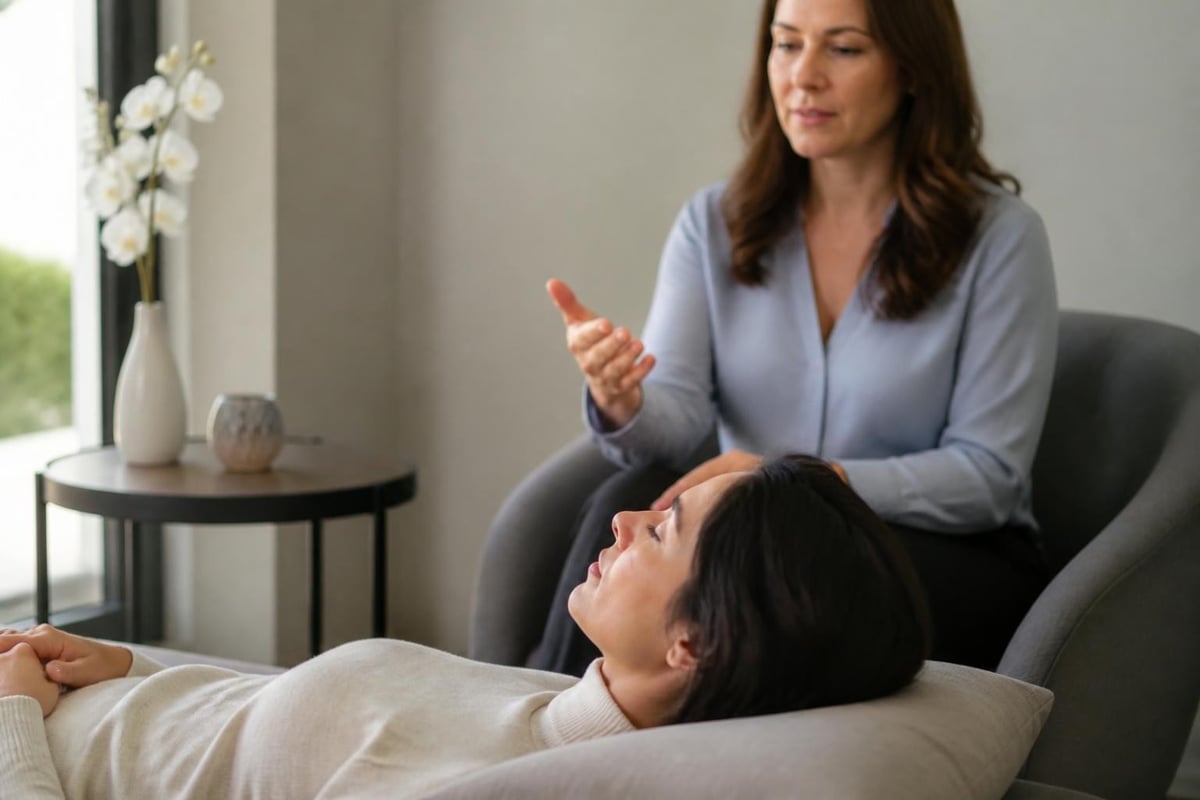
The process works by creating new neural pathways that support calmness rather than anxiety. When you repeatedly access relaxed states through hypnotherapy, your brain learns to default to these patterns instead of anxious ones. This neuroplasticity forms the foundation for sustainable change.
Evidence-Based Breathing Techniques for Immediate Relief
Controlled breathing serves as one of the most accessible tools to reduce anxiety without medication. Your breath directly influences your nervous system, making it a powerful lever for changing your mental state within minutes.
Diaphragmatic Breathing Method
Also called belly breathing, this technique activates the parasympathetic nervous system almost immediately. Here's how to practise it effectively:
- Place one hand on your chest and another on your abdomen
- Inhale slowly through your nose for four counts, feeling your belly rise
- Hold for two counts
- Exhale through your mouth for six counts, feeling your belly fall
- Repeat for five to ten minutes
MindCheck provides evidence-based methods including diaphragmatic breathing as a cornerstone technique for natural anxiety management. The extended exhale signals safety to your nervous system, countering the rapid, shallow breathing characteristic of anxiety.
Box Breathing for Acute Anxiety Episodes
Used by athletes and military personnel, box breathing creates mental focus while calming the body:
- Inhale for four counts
- Hold for four counts
- Exhale for four counts
- Hold empty for four counts
- Repeat the cycle four to eight times
This structured approach gives your mind something concrete to focus on, interrupting anxious thought spirals whilst simultaneously regulating your physiology.
Movement and Exercise as Anxiety Medicine
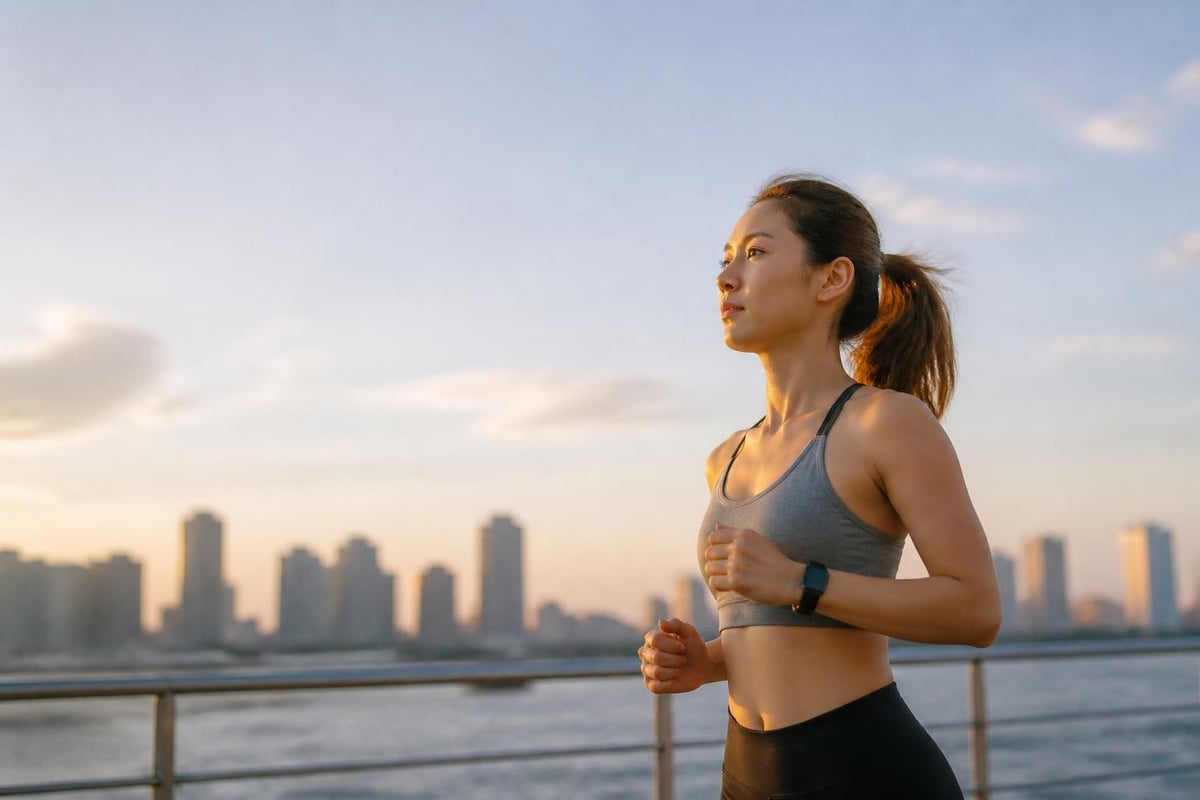
Physical activity functions as a natural anxiety remedy through multiple mechanisms. Exercise reduces stress hormones like cortisol and adrenaline whilst stimulating endorphin production, creating a chemical environment that opposes anxiety.
Regular movement also provides psychological benefits. It offers distraction from worries, builds confidence through achievement, and creates opportunities for social connection when done in group settings.
| Exercise Type | Anxiety Benefit | Recommended Frequency |
|---|---|---|
| Aerobic (walking, swimming, cycling) | Reduces overall anxiety levels, improves sleep | 30 minutes, 5 days weekly |
| Yoga | Combines movement with breathwork, enhances mind-body awareness | 2-3 sessions weekly |
| Strength training | Builds confidence, provides measurable progress | 2-3 sessions weekly |
| Tai chi | Promotes mindfulness, gentle enough for all fitness levels | 2-4 sessions weekly |
ScienceInsights explores evidence-based strategies that include regular exercise as a foundational approach. You don't need intense workouts to experience benefits. Even gentle, consistent movement shifts your neurochemistry in anxiety-reducing directions.
The key is consistency rather than intensity. A daily 20-minute walk often provides more anxiety relief than sporadic intense workouts, as it establishes routine whilst avoiding the stress of overexertion.
Cognitive Strategies for Reframing Anxious Thoughts
Your thoughts directly influence your emotional state. Anxiety often stems from cognitive distortions: thinking patterns that exaggerate threats, catastrophise outcomes, or assume the worst. Learning to recognise anxiety patterns forms the first step toward addressing them.
Challenging Catastrophic Thinking
When anxiety strikes, pause and examine your thoughts objectively:
- What evidence supports this worry?
- What evidence contradicts it?
- What's the most realistic outcome?
- How would I advise a friend in this situation?
This process doesn't eliminate concerns but places them in proper proportion. Often, anxious thoughts collapse under gentle scrutiny, revealing themselves as possibilities rather than certainties.
Thought Defusion Techniques
Rather than challenging anxious thoughts, defusion creates distance from them. Simple strategies include:
- Labelling: "I'm having the thought that something bad will happen" instead of "Something bad will happen"
- Singing thoughts: Sing your anxious thought to a silly tune
- Thanking your mind: "Thanks, mind, for that thought" acknowledges without buying into it
- Observer perspective: Watch your thoughts like clouds passing through the sky
These techniques reduce the power anxious thoughts hold over you, helping you reduce anxiety without medication by changing your relationship with your internal experience.
Sleep Hygiene and Anxiety: The Bidirectional Relationship
Poor sleep intensifies anxiety, and anxiety disrupts sleep, creating a vicious cycle. Breaking this pattern requires intentional sleep hygiene practices.
Your bedroom environment significantly impacts sleep quality. Keep it cool (around 18°C), dark, and quiet. Reserve the bed exclusively for sleep and intimacy, not work or scrolling through devices. This conditioning helps your brain associate bed with rest.
Pre-Sleep Routine for Anxiety Reduction
Establish a consistent wind-down routine 60-90 minutes before bed:
- Dim lights throughout your home to signal day's end
- Avoid screens or use blue light filters
- Engage in calming activities like reading or gentle stretching
- Practice progressive muscle relaxation
- Keep a notepad beside your bed to capture intrusive thoughts
If anxiety prevents sleep, don't fight it. After 20 minutes of wakefulness, leave the bedroom and engage in a quiet, non-stimulating activity until drowsiness returns. This prevents your brain from associating bed with anxious wakefulness.
Nutrition and Supplementation Strategies
What you consume directly affects your nervous system. Whilst not a complete solution, dietary adjustments support your efforts to reduce anxiety without medication.
Foods that support anxiety reduction:
- Fatty fish rich in omega-3s (salmon, mackerel, sardines)
- Fermented foods supporting gut health (yoghurt, sauerkraut, kimchi)
- Magnesium-rich foods (spinach, almonds, dark chocolate)
- Complex carbohydrates for steady blood sugar (oats, quinoa, sweet potato)
- Chamomile and green tea containing L-theanine
Substances to limit or avoid:
- Caffeine, which can trigger anxiety symptoms in sensitive individuals
- Alcohol, which disrupts sleep and depletes B vitamins
- Refined sugar, causing blood sugar spikes and crashes
- Processed foods lacking nutritional value
The gut-brain axis represents an emerging area of anxiety research. Your digestive system produces significant amounts of serotonin, and gut health influences mental health. Probiotic-rich foods and prebiotic fibres support this connection.
| Supplement | Potential Benefit | Considerations |
|---|---|---|
| Magnesium | Supports nervous system relaxation | Start with 200-400mg daily, may cause digestive upset |
| Omega-3 fatty acids | Reduces inflammation linked to anxiety | Look for EPA/DHA ratio of 2:1, quality matters |
| L-theanine | Promotes calm focus without sedation | 200mg as needed, naturally found in green tea |
| Vitamin D | Deficiency linked to mood disorders | Test levels first, sun exposure preferred |
Always consult healthcare providers before starting supplements, especially if taking other medications or managing health conditions.

Mindfulness and Meditation Practices
Mindfulness involves present-moment awareness without judgment. This simple concept offers profound anxiety relief because anxiety typically involves either dwelling on the past or worrying about the future. Anchoring in the present interrupts this pattern.
Medical News Today discusses various non-medication treatments including mindfulness meditation as a cornerstone approach. You don't need extensive training or special equipment to begin practising.
Simple Mindfulness Exercises for Daily Life
Five senses grounding: When anxiety rises, name five things you see, four you can touch, three you hear, two you smell, and one you taste. This sensory awareness pulls you from anxious thoughts into present reality.
Mindful breathing: Focus attention on the physical sensation of breathing. Notice where you feel the breath most clearly: nostrils, chest, or abdomen. When your mind wanders, gently return focus to the breath without self-criticism.
Body scan meditation: Systematically direct attention through your body from toes to head, noticing sensations without trying to change them. This practice builds awareness of how anxiety manifests physically whilst promoting relaxation.
Start with just five minutes daily. Consistency matters more than duration. Many people find morning practice sets a calmer tone for the entire day.
Creating Supportive Environments and Routines
Your environment and daily structure significantly influence anxiety levels. Chaos and unpredictability often exacerbate anxious tendencies, whilst order and routine provide reassuring stability.
Declutter your living space gradually. Physical clutter creates mental clutter, and an organised environment supports a calmer mind. This doesn't require perfection; small improvements accumulate into meaningful change.
Establish consistent daily rhythms:
- Wake and sleep at similar times, even on weekends
- Eat meals at regular intervals
- Schedule worry time (paradoxically, this contains anxiety to specific periods)
- Block time for activities that bring joy and connection
- Build in transition periods between activities
These structures don't restrict freedom; they create containers that allow your nervous system to relax because it knows what to expect.
Social Connection and Support Networks
Humans are inherently social creatures. Isolation intensifies anxiety, whilst meaningful connection provides natural relief. Prioritise relationships that feel supportive rather than draining.
Consider joining groups aligned with your interests, whether book clubs, sporting teams, or volunteer organisations. Shared activities create connection without the pressure of one-on-one conversation, making them accessible even during anxious periods.
Strategic hypnotherapy approaches often complement other anxiety-reduction strategies by addressing unconscious patterns that might interfere with implementing new habits or maintaining social connections.
Progressive Muscle Relaxation Technique
This systematic approach releases physical tension whilst calming the mind. It works by deliberately tensing then releasing muscle groups, highlighting the contrast between tension and relaxation.
Complete PMR sequence:
- Find a quiet space and lie comfortably
- Starting with your feet, curl toes tightly for 5 seconds
- Release and notice the relaxation for 10 seconds
- Move to calves, tensing then releasing
- Continue through thighs, buttocks, abdomen, chest, hands, arms, shoulders, neck, and face
- Finish with a full-body scan, breathing deeply
Practice daily for 15-20 minutes. Over time, you'll develop the ability to release tension quickly by recalling the relaxed state, making this a portable anxiety-reduction tool.
Limiting Information Overload and Digital Boundaries
Constant connectivity creates chronic low-level anxiety. News cycles emphasise threats, social media encourages comparison, and the expectation of immediate responsiveness prevents genuine rest.
Setting boundaries with technology represents an essential step to reduce anxiety without medication in our modern context:
- Designate phone-free zones (bedroom, dining table)
- Schedule specific times to check emails and social media rather than constant monitoring
- Disable non-essential notifications
- Implement a digital sunset 60-90 minutes before bed
- Curate your social feeds to exclude anxiety-provoking content
These boundaries might feel uncomfortable initially, particularly if you're accustomed to constant availability. Persist through the adjustment period; the anxiety reduction that follows proves worthwhile.
Expressive Writing for Processing Anxiety
Putting anxious thoughts on paper externalises them, creating space between you and your worries. This process often reveals patterns, triggers, and solutions that remain hidden whilst thoughts circle endlessly in your mind.
Try stream-of-consciousness writing for 10-15 minutes daily. Don't edit or censor; simply write whatever emerges. You might express worries, gratitude, observations, or anything else that surfaces.
Alternatively, use structured prompts:
- What am I anxious about right now, and what's within my control?
- What evidence supports or contradicts my worries?
- What would I tell a friend experiencing these same concerns?
- What am I grateful for today?
Neither approach requires literary skill. The therapeutic value lies in the process of expression, not the quality of writing.
Understanding When Professional Support Enhances Progress
Whilst many strategies help reduce anxiety without medication, some situations benefit significantly from professional guidance. Anxiety that persists despite self-help efforts, interferes with daily functioning, or triggers thoughts of self-harm warrants professional intervention.
Hypnotherapy offers targeted support by addressing unconscious patterns that maintain anxiety. Unlike surface-level coping strategies, therapeutic hypnosis helps resolve underlying causes, creating sustainable change that doesn't require constant effort to maintain.
Professional hypnotherapy services provide structured approaches tailored to your specific anxiety patterns, triggers, and goals. This personalised attention often accelerates progress beyond what self-directed efforts alone achieve.
Combined approaches typically produce superior results. Professional therapy provides frameworks, accountability, and targeted interventions, whilst the lifestyle strategies discussed here support and extend therapeutic gains.
Building Your Personalised Anxiety-Reduction Plan
No single approach works universally. Your optimal strategy combines techniques that resonate with your preferences, lifestyle, and specific anxiety manifestations.
Start by selecting two or three strategies from this article. Implement them consistently for at least three weeks before adding more. This allows proper evaluation whilst avoiding the overwhelm of trying everything simultaneously.
Sample starting combinations:
- Daily 20-minute walks + diaphragmatic breathing + consistent sleep schedule
- Morning meditation + thought challenging + limiting caffeine
- Hypnotherapy sessions + progressive muscle relaxation + expressive writing
Track your progress using simple measures like rating daily anxiety levels on a 1-10 scale or noting sleep quality and anxiety triggers. This data helps identify what works specifically for you.
Adjust your approach based on results. If particular techniques don't help after consistent practice, replace them with alternatives. Your plan should evolve as you discover what genuinely supports your wellbeing.
Remember that progress rarely follows a straight line. Setbacks don't indicate failure; they're normal parts of the process. Approach yourself with the same compassion you'd offer a good friend navigating similar challenges.
Learning to reduce anxiety without medication empowers you to take control of your mental health through sustainable, evidence-based approaches that address root causes rather than merely suppressing symptoms. The strategies outlined here, from breathing techniques and exercise to hypnotherapy and cognitive reframing, offer genuine pathways to lasting relief when implemented consistently. At Strategic Hypnotherapy Clinic, Peter Kane combines these evidence-based approaches with expert hypnotherapy to help you overcome anxiety by harnessing the powerful mind-body connection, creating personalised treatment that fosters lasting personal growth and genuine wellbeing. If you're ready to experience sustainable anxiety relief, reach out today to begin your transformation.


Leave a Reply
Your email is safe with us.