

Anxiety affects millions of Australians, creating barriers to personal and professional success. Whether you're experiencing racing thoughts, physical tension, or overwhelming worry, understanding effective ways to rid anxiety can transform your quality of life. The good news is that anxiety is highly treatable through a combination of evidence-based techniques, lifestyle modifications, and therapeutic interventions. This comprehensive guide explores proven strategies that address both the symptoms and underlying causes of anxiety, offering practical solutions you can implement today.
Understanding the Anxiety Response
Before exploring ways to rid anxiety, it's essential to understand what's happening in your body and mind. Anxiety triggers your fight-or-flight response, releasing stress hormones like cortisol and adrenaline that prepare you for perceived threats.
The Mind-Body Connection
Your thoughts directly influence your physical state, and vice versa. When anxious thoughts arise, your body responds with increased heart rate, shallow breathing, and muscle tension. This creates a feedback loop that can intensify anxiety symptoms.
Key physical manifestations include:
- Rapid heartbeat and palpitations
- Shortness of breath or hyperventilation
- Digestive disturbances
- Muscle tension, particularly in the neck and shoulders
- Sweating and temperature changes
Understanding this connection is crucial because many effective ways to rid anxiety work by interrupting this cycle at different points. Learning to recognise anxiety symptoms early allows you to intervene before the response escalates.

Immediate Techniques for Anxiety Relief
When anxiety strikes, having reliable techniques for immediate relief can make all the difference. These evidence-based methods provide quick ways to rid anxiety in the moment.
Breathing Exercises
The 4-7-8 breathing technique is remarkably effective for rapid anxiety reduction. Breathe in through your nose for four counts, hold for seven counts, and exhale through your mouth for eight counts. This pattern activates your parasympathetic nervous system, signalling your body to relax.
Research-backed breathing techniques have shown significant results in managing acute anxiety episodes. Box breathing, used by military personnel in high-stress situations, involves equal counts of inhaling, holding, exhaling, and holding again.
Progressive Muscle Relaxation
This technique involves systematically tensing and releasing muscle groups throughout your body. Start with your toes and work upward, holding tension for five seconds before releasing.
- Curl your toes tightly for five seconds, then release
- Tense your calf muscles, hold, and relax
- Squeeze your thighs, hold, and release
- Continue through each muscle group up to your facial muscles
- Notice the difference between tension and relaxation
Progressive muscle relaxation helps you develop awareness of where you hold anxiety physically, making it easier to release tension proactively.
Lifestyle Modifications That Reduce Anxiety
Long-term ways to rid anxiety often involve sustainable lifestyle changes that support your mental health foundation.
Sleep Optimisation
Quality sleep is fundamental to anxiety management. When you're sleep-deprived, your amygdala becomes hyperactive, intensifying emotional responses. Improving sleep quality when anxious requires creating consistent routines and addressing bedtime worries.
Sleep hygiene strategies include:
- Maintaining consistent sleep and wake times, even on weekends
- Limiting screen exposure 60 minutes before bed
- Creating a cool, dark sleeping environment
- Avoiding caffeine after 2pm
- Establishing a calming pre-sleep routine
The Constructive Worry Sleep Method offers a practical approach for managing nighttime anxiety by scheduling designated worry time earlier in the evening.
Physical Exercise
Regular physical activity is among the most effective ways to rid anxiety naturally. Exercise reduces stress hormones while stimulating endorphin production, creating natural mood elevation.
| Exercise Type | Anxiety Benefit | Recommended Frequency |
|---|---|---|
| Aerobic (running, cycling) | Reduces cortisol, improves mood | 30 minutes, 5x weekly |
| Strength training | Builds resilience, boosts confidence | 2-3 sessions weekly |
| Yoga | Combines movement with mindfulness | 3-4 sessions weekly |
| Walking in nature | Lowers stress, provides perspective | Daily, 20-30 minutes |
The key is consistency rather than intensity. Even gentle movement provides anxiety-reducing benefits.
Nutrition and Hydration
What you consume directly impacts anxiety levels. Reducing caffeine, alcohol, and processed foods while increasing whole foods, omega-3 fatty acids, and magnesium-rich options supports balanced neurotransmitter function.
Dehydration can mimic and worsen anxiety symptoms. Aim for eight glasses of water daily, adjusting for exercise and climate.
Cognitive and Therapeutic Approaches
Understanding and modifying thought patterns provides powerful ways to rid anxiety at its source.
Cognitive Reframing
Anxiety often stems from catastrophic thinking and worst-case scenario predictions. Cognitive reframing involves identifying anxious thoughts and examining their validity.
The reframing process:
- Notice the anxious thought without judgement
- Ask: "What evidence supports this thought?"
- Consider: "What's a more balanced perspective?"
- Replace the thought with a realistic alternative
- Observe how your anxiety level changes
This technique, central to cognitive behavioural therapy, helps break automatic negative thought patterns that fuel anxiety.
Mindfulness and Meditation
Mindfulness practices train your attention to remain in the present moment rather than worrying about the future or ruminating on the past. Multiple natural methods to alleviate anxiety include various mindfulness approaches suited to different preferences.
Start with just five minutes daily. Sit comfortably, focus on your breath, and gently redirect your attention when your mind wanders. Consistency matters more than duration.
Hypnotherapy for Anxiety
Hypnotherapy offers unique ways to rid anxiety by accessing the subconscious mind where automatic responses originate. Through guided relaxation and focused attention, hypnotherapy helps reprogram anxiety triggers and responses.
During hypnotherapy sessions, you enter a relaxed state where positive suggestions and visualisations can modify deep-seated anxiety patterns. This approach addresses the root causes rather than merely managing symptoms.
Professional hypnotherapy services combine evidence-based techniques with personalised treatment plans, recognising that anxiety manifests differently for each individual.
Environmental and Social Strategies
Your external environment significantly influences internal anxiety levels, making environmental management crucial among ways to rid anxiety.
Creating Calming Spaces
Designate areas in your home specifically for relaxation. These spaces should be free from work materials, digital devices, and clutter. Consider incorporating:
- Soft, natural lighting
- Comfortable seating
- Plants or natural elements
- Calming colours like blues and greens
- Personal items that bring comfort
Your environment should signal safety and relaxation to your nervous system.
Setting Healthy Boundaries
Many people experience anxiety from overcommitment and inability to say no. Learning to differentiate between stress and anxiety helps you identify whether environmental factors are contributing to your symptoms.
Establishing boundaries around your time, energy, and emotional availability reduces anxiety-provoking situations. This includes:
- Declining commitments that don't align with your priorities
- Limiting exposure to anxiety-triggering media or conversations
- Communicating your needs clearly to others
- Scheduling regular downtime without guilt
Building Support Networks
Social connection acts as a buffer against anxiety. Regular interaction with supportive friends, family, or support groups provides perspective and emotional validation.
Consider joining anxiety support groups where you can share experiences and learn strategies from others managing similar challenges. Professional support through therapeutic services offers specialised guidance tailored to your specific needs.

Advanced Techniques for Persistent Anxiety
When standard approaches aren't sufficient, exploring advanced ways to rid anxiety can provide the breakthrough you need.
Exposure Therapy Principles
Gradual exposure to anxiety triggers, done safely and systematically, helps desensitise your fear response. This doesn't mean overwhelming yourself but rather building tolerance incrementally.
| Anxiety Level | Exposure Approach | Duration | Progression |
|---|---|---|---|
| Mild (2-3/10) | Brief exposure to trigger | 5-10 minutes | Daily practice |
| Moderate (4-6/10) | Extended exposure with support | 15-20 minutes | Every 2-3 days |
| Significant (7-8/10) | Structured sessions with professional | 30-45 minutes | Weekly progression |
Professional guidance ensures exposure therapy remains therapeutic rather than retraumatising.
Technology-Assisted Interventions
Emerging research on virtual reality therapy for anxiety demonstrates promising results for self-guided treatment. VR applications create controlled environments for practising anxiety management techniques.
Apps offering guided meditations, breathing exercises, and mood tracking provide accessible ways to rid anxiety between therapy sessions. However, technology should complement, not replace, professional support for moderate to severe anxiety.
Journaling and Expression
Writing about anxious thoughts and feelings provides emotional release and cognitive clarity. Structured journaling techniques include:
- Thought records: Document triggering situations, thoughts, emotions, and physical sensations
- Gratitude journals: List three things you're grateful for daily
- Worry time: Write concerns during designated periods rather than throughout the day
- Success logs: Record moments when you managed anxiety effectively
Regular journaling helps identify patterns and track progress, reinforcing your ability to manage anxiety independently.
Preventative Strategies for Long-Term Management
The most effective ways to rid anxiety involve preventing escalation before symptoms become overwhelming.
Stress Management
Proactive stress management prevents stress from evolving into chronic anxiety. Managing anxiety effectively requires identifying stressors and implementing coping strategies before they accumulate.
Daily stress prevention includes:
- Morning routines that set positive intentions
- Regular breaks during work or demanding activities
- Time blocking to prevent overwhelm
- Weekly planning to reduce uncertainty
- Monthly reflection on stress patterns and adjustments
Prevention requires less energy than crisis management, making these strategies valuable investments.
Regular Self-Assessment
Schedule monthly check-ins to assess your anxiety levels, triggers, and the effectiveness of your management strategies. Understanding when to seek professional support ensures you address increasing anxiety before it becomes debilitating.
Ask yourself:
- How often am I experiencing anxiety symptoms?
- Are my current strategies providing adequate relief?
- Is anxiety interfering with work, relationships, or daily activities?
- Am I avoiding situations due to anxiety?
- Would professional support enhance my progress?
Honest self-assessment guides appropriate intervention levels.
Building Resilience
Resilience doesn't eliminate anxiety but strengthens your capacity to navigate it effectively. Resilience-building activities include learning new skills, facing manageable challenges, maintaining optimism, and cultivating self-compassion.
When setbacks occur, treat yourself with the kindness you'd offer a friend. Anxiety recovery isn't linear, and temporary increases don't negate your progress.
Integrating Multiple Approaches
The most sustainable ways to rid anxiety involve combining multiple strategies personalised to your needs, preferences, and lifestyle.
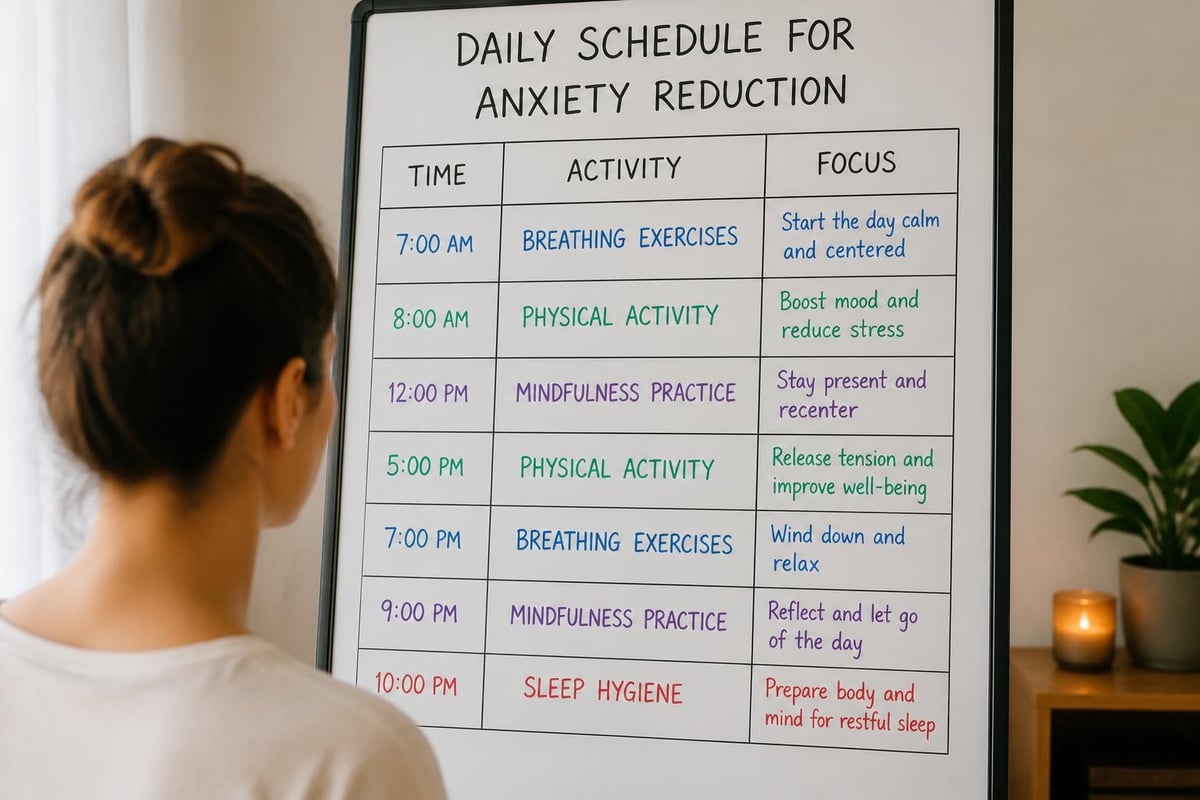
Creating Your Anxiety Management Plan
Effective plans include immediate techniques for acute symptoms, daily practices for baseline management, and professional support for ongoing growth.
- Select 2-3 immediate relief techniques you can use anywhere
- Establish daily practices addressing sleep, movement, and nutrition
- Schedule weekly activities promoting joy and connection
- Identify your support network and when to reach out
- Set quarterly goals for anxiety reduction and well-being
Document your plan and review it regularly, adjusting based on what works.
Tracking Progress
Measurable progress reinforces commitment to anxiety management. Beyond symptom reduction, track improvements in sleep quality, work productivity, relationship satisfaction, and activities you've resumed.
Celebrate small victories. Each time you successfully manage an anxious moment, you're building neural pathways that make future management easier.
When to Seek Professional Help
While self-help strategies provide valuable ways to rid anxiety, professional support accelerates progress and addresses complex underlying issues. Consider professional help when anxiety persists despite consistent self-help efforts, interferes significantly with daily functioning, or involves panic attacks or physical symptoms.
Hypnotherapy, in particular, offers targeted intervention for anxiety by working directly with the subconscious patterns driving anxious responses. Client testimonials demonstrate the transformative potential of professional therapeutic support.
Maintaining Long-Term Success
Sustaining anxiety reduction requires ongoing commitment and adaptation as life circumstances change.
Preventing Relapse
Recognise that anxiety may resurface during stressful periods. This doesn't represent failure but rather an opportunity to reinforce your management skills. Return to foundational practices when you notice early warning signs.
Relapse prevention strategies:
- Maintain core practices even when feeling well
- Identify your unique early warning signs
- Have a crisis plan for high-stress periods
- Stay connected with support networks
- Schedule regular professional check-ins as needed
Consistency during stable periods builds the foundation supporting you through challenges.
Adapting Strategies Over Time
Your needs and circumstances evolve, requiring periodic strategy adjustments. What worked initially may need modification as you develop new skills and face different challenges.
Annual reviews of your anxiety management approach ensure it remains relevant and effective. Be willing to experiment with new techniques while maintaining core practices that consistently support your wellbeing.
Exploring and implementing these varied ways to rid anxiety empowers you to reclaim control over your mental and emotional wellbeing. Whether through immediate relief techniques, lifestyle modifications, or deeper therapeutic work, multiple pathways lead to lasting anxiety reduction. Strategic Hypnotherapy Clinic specialises in helping individuals overcome anxiety by harnessing the powerful mind-body connection through expert hypnotherapy services. If you're ready to experience profound, lasting relief from anxiety, Strategic Hypnotherapy Clinic offers compassionate, personalised support to guide your transformation.


Leave a Reply
Your email is safe with us.