

Anxiety affects millions of Australians each year, disrupting sleep, relationships, and daily functioning. While occasional nervousness is a normal part of life, persistent anxiety can feel overwhelming and uncontrollable. The good news is that you can learn effective techniques to calm anxiety and regain control over your emotional wellbeing. Understanding how your mind and body interact during anxious episodes provides the foundation for lasting relief, allowing you to respond to stress with greater resilience and confidence.
Understanding the Anxiety Response
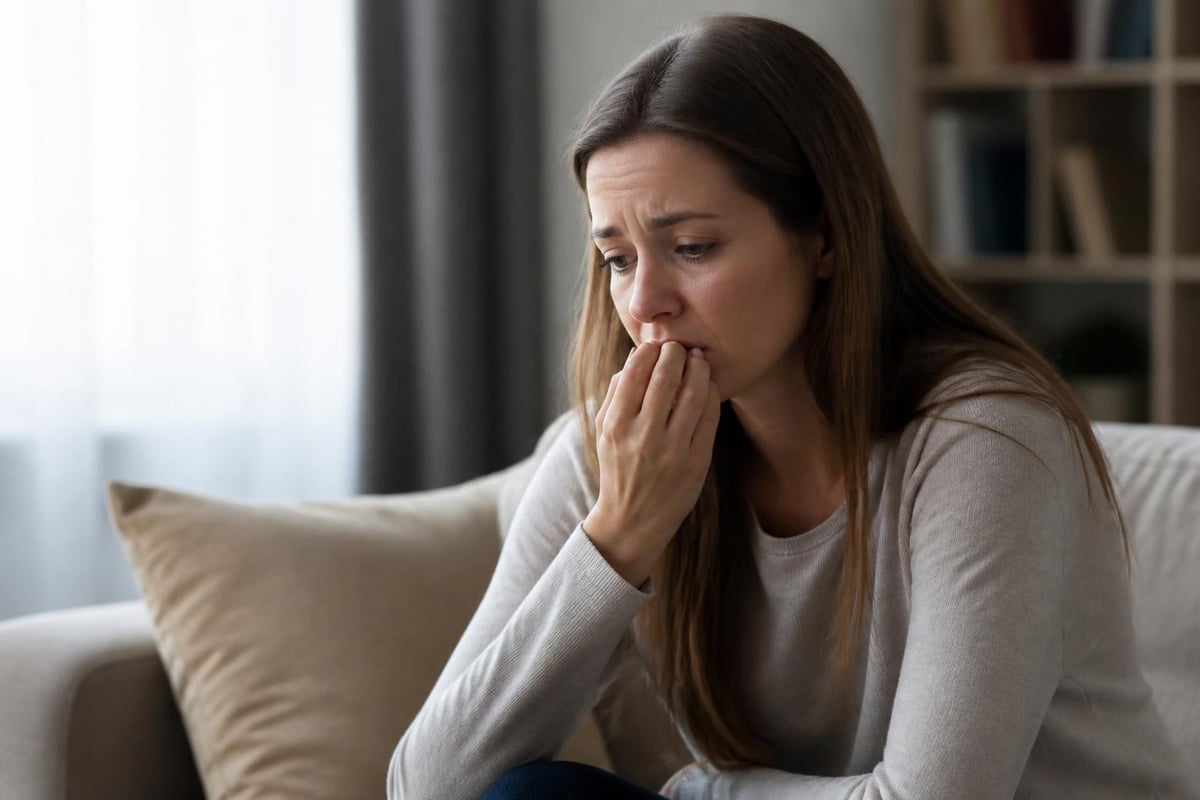
Anxiety manifests as both mental and physical symptoms, creating a cycle that can intensify feelings of distress. When you experience anxiety, your body activates the fight-or-flight response, releasing stress hormones that prepare you for perceived danger.
The Mind-Body Connection in Anxiety
Your thoughts directly influence your physical state, and conversely, physical sensations can trigger anxious thoughts. This bidirectional relationship means that interventions targeting either the mind or body can help calm anxiety effectively.
Common physical symptoms include:
- Rapid heartbeat and chest tightness
- Shallow breathing or hyperventilation
- Muscle tension, particularly in shoulders and jaw
- Digestive disturbances
- Sweating and trembling
Mental symptoms often involve:
- Racing thoughts and difficulty concentrating
- Excessive worry about future events
- Catastrophic thinking patterns
- Feelings of impending doom
- Persistent self-doubt
Recognising these symptoms early allows you to implement anxiety management strategies before they escalate. The subconscious mind plays a crucial role in maintaining anxiety patterns, often running automatic responses learned from past experiences.
Immediate Techniques to Calm Anxiety
When anxiety strikes, having a toolkit of immediate strategies helps you regain composure quickly. These evidence-based approaches work by interrupting the anxiety cycle and activating your body's natural relaxation response.
Breathing Exercises for Rapid Relief
Controlled breathing remains one of the most powerful tools to calm anxiety in the moment. Deep breathing techniques shift your nervous system from sympathetic (fight-or-flight) to parasympathetic (rest-and-digest) activation.
The 4-7-8 breathing technique:
- Exhale completely through your mouth
- Close your mouth and inhale through your nose for 4 counts
- Hold your breath for 7 counts
- Exhale completely through your mouth for 8 counts
- Repeat the cycle 3-4 times
This pattern forces a slower breathing rate that signals safety to your nervous system. Practice this technique regularly, even when calm, to make it more effective during anxious moments.
Grounding Techniques for Present-Moment Awareness
Anxiety often involves worrying about future scenarios or ruminating on past events. Grounding techniques anchor you firmly in the present moment, where most threats exist only in imagination.
The 5-4-3-2-1 method engages all your senses:
| Sense | Action |
|---|---|
| Sight | Identify 5 things you can see |
| Touch | Notice 4 things you can feel |
| Hearing | Listen for 3 sounds |
| Smell | Detect 2 scents |
| Taste | Recognise 1 taste |
This sensory inventory creates distance from anxious thoughts by directing attention outward. Many clients at Strategic Hypnotherapy Clinic report that combining grounding techniques with therapeutic interventions accelerates their progress.
Long-Term Strategies to Calm Anxiety
While immediate techniques provide relief during acute episodes, sustainable anxiety management requires addressing underlying patterns and building resilience over time.
Lifestyle Modifications That Reduce Anxiety
Your daily habits significantly impact your anxiety levels. Small, consistent changes create a foundation that makes it easier to calm anxiety when it arises.
Sleep hygiene improvements:
- Maintain consistent sleep and wake times
- Create a relaxing bedtime routine
- Limit screen exposure before sleep
- Keep your bedroom cool, dark, and quiet
Nutritional considerations:
- Reduce caffeine intake, especially after midday
- Limit alcohol consumption, which disrupts sleep quality
- Stay hydrated throughout the day
- Eat regular, balanced meals to stabilize blood sugar
Physical activity benefits:
- Engage in moderate exercise most days
- Include both cardiovascular and strength training
- Practice gentle movement like yoga or tai chi
- Spend time in nature when possible
These modifications work synergistically, each contributing to a calmer baseline state that makes anxiety less likely to overwhelm you.

Cognitive Approaches to Anxiety Management
Your thoughts create your emotional experiences. Learning to identify and reshape anxious thinking patterns provides powerful leverage to calm anxiety at its source.
Common cognitive distortions in anxiety:
- Catastrophising: Assuming the worst possible outcome
- All-or-nothing thinking: Viewing situations in extreme terms
- Overgeneralisation: Drawing broad conclusions from single events
- Mind reading: Assuming you know what others think
- Fortune telling: Predicting negative futures without evidence
Challenge these patterns by asking yourself:
- What evidence supports this thought?
- What evidence contradicts it?
- What would I tell a friend in this situation?
- What's the most realistic outcome?
- How likely is my feared scenario, truly?
This cognitive restructuring process, when practiced consistently, rewires the automatic thought patterns that fuel anxiety. Evidence-based approaches combine cognitive techniques with behavioural interventions for optimal results.
The Role of Hypnotherapy in Anxiety Management
Hypnotherapy offers a unique approach to calm anxiety by working directly with the subconscious mind, where many anxious patterns originate. Unlike techniques that require conscious effort during anxious moments, hypnotherapy creates lasting changes in your automatic responses.
How Hypnotherapy Addresses Anxiety
During hypnotherapy sessions, you enter a deeply relaxed state while remaining aware and in control. This trance state allows access to the subconscious mind, where therapeutic suggestions can reshape anxiety responses more effectively than conscious willpower alone.
Hypnotherapy targets anxiety through:
- Identifying root causes of anxious patterns
- Reprocessing traumatic or formative experiences
- Installing new, calming automatic responses
- Building confidence and self-efficacy
- Teaching self-hypnosis for ongoing management
The therapeutic process recognises that anxiety often serves a protective function, even when that protection is no longer needed. Rather than fighting against anxiety, hypnotherapy helps you understand its purpose and update your subconscious programming to respond more appropriately to current circumstances.
Strategic Hypnotherapy Approaches
Strategic hypnotherapy employs targeted techniques based on your specific anxiety presentation. This personalised approach ensures interventions match your unique needs and circumstances.
| Anxiety Type | Hypnotherapy Focus | Expected Outcomes |
|---|---|---|
| Generalised anxiety | Pattern interruption, relaxation training | Reduced baseline anxiety, improved coping |
| Social anxiety | Confidence building, reframing beliefs | Comfortable social engagement |
| Performance anxiety | Mental rehearsal, anchoring calm states | Enhanced performance, reduced anticipatory worry |
| Panic disorder | Desensitisation, safety reassurance | Decreased panic frequency and intensity |
Many individuals find that hypnotherapy services complement other anxiety treatments, providing the subconscious reprogramming that makes conscious strategies more effective and sustainable.

Practical Daily Practices to Calm Anxiety
Integrating anxiety management into your daily routine prevents buildup and maintains emotional equilibrium. These practices take minimal time but yield significant benefits when performed consistently.
Morning Routines That Set a Calm Tone
How you begin your day influences your anxiety levels throughout. A structured morning routine signals safety and control to your nervous system.
Effective morning practices:
- Avoid checking phone immediately upon waking
- Practice 5 minutes of deep breathing or meditation
- Set intentions for the day ahead
- Engage in gentle movement or stretching
- Eat a nutritious breakfast without rushing
Starting your day intentionally, rather than reactively, builds resilience against anxiety triggers you'll encounter later. This proactive approach helps you calm anxiety before it intensifies.
Evening Wind-Down Rituals
Nighttime anxiety disrupts sleep quality, creating a cycle where poor rest increases next-day anxiety. Establishing calming evening rituals breaks this pattern.
Wind-down strategies include:
- Dimming lights 1-2 hours before bed
- Practicing progressive muscle relaxation
- Journaling worries to externalize them
- Reading fiction or listening to calming music
- Avoiding anxiety-provoking news or content
These rituals create a buffer between daytime stress and restful sleep, allowing your mind to decompress naturally.
Mindfulness and Meditation Practices
Regular mindfulness practice trains your brain to calm anxiety more efficiently. Even brief daily sessions create measurable changes in brain regions associated with emotional regulation.
Beginner-friendly approaches:
- Start with 5 minutes daily, gradually increasing
- Use guided meditation apps for structure
- Practice mindful observation of thoughts without judgment
- Focus on bodily sensations during routine activities
- Join a meditation group for accountability and support
The goal isn't eliminating thoughts but changing your relationship with them. As you observe anxious thoughts without becoming entangled, they lose their power to trigger intense emotional reactions.
When to Seek Professional Support
While self-help strategies benefit many people, persistent or severe anxiety often requires professional intervention. Recognising when you need additional support demonstrates wisdom, not weakness.
Signs You May Benefit from Professional Help
Consider seeking support if:
- Anxiety interferes with work, relationships, or daily activities
- You experience panic attacks or intense physical symptoms
- Self-help strategies provide minimal relief
- You're avoiding situations due to anxiety
- Anxiety has persisted for several months
- You're using substances to manage anxious feelings
Professional therapists offer expertise and objectivity that accelerate progress beyond what self-help alone can achieve. The testimonials from others who've addressed anxiety through therapeutic support often reveal transformations that seemed impossible initially.
Complementary Approaches to Anxiety Treatment
Effective anxiety management often involves multiple interventions working together. Combining various coping techniques creates a comprehensive support system.
Integrated treatment may include:
- Hypnotherapy for subconscious reprogramming
- Cognitive-behavioural strategies for thought patterns
- Medication when appropriate, under medical supervision
- Lifestyle modifications for overall wellbeing
- Support groups for shared experiences and encouragement
This multifaceted approach addresses anxiety from multiple angles simultaneously, increasing the likelihood of lasting relief. Different interventions work synergistically, each enhancing the effectiveness of the others.
Building Resilience Against Future Anxiety
Long-term anxiety management extends beyond learning to calm anxiety when it arises. Building resilience prevents anxiety from developing in the first place and reduces its intensity when it does occur.
Stress Inoculation Techniques
Gradually exposing yourself to manageable stress builds confidence and coping skills. Like a vaccine that introduces small amounts of a pathogen, stress inoculation strengthens your psychological immune system.
Progressive exposure involves:
- Identify anxiety-provoking situations
- Rate them from least to most anxiety-inducing
- Start with the easiest challenge
- Practice coping techniques while exposed
- Progress to more difficult situations as confidence builds
This systematic approach prevents avoidance patterns that perpetuate anxiety. Each successful exposure provides evidence that you can handle uncomfortable situations, reshaping your self-perception.
Developing Emotional Flexibility
Rigid thinking patterns contribute to anxiety, while flexibility allows adaptive responses to changing circumstances. Cultivating psychological flexibility helps you calm anxiety by accepting uncertainty rather than fighting it.
Flexibility practices include:
- Acknowledging difficult emotions without trying to eliminate them
- Recognising thoughts as mental events, not facts
- Identifying your values and aligning actions with them
- Taking committed action despite uncomfortable feelings
- Practicing self-compassion during setbacks
This acceptance-based approach paradoxically reduces anxiety more effectively than attempting to control or suppress it. When you stop treating anxiety as the enemy, it loses much of its power over you.
Learning to calm anxiety requires understanding both immediate relief techniques and long-term pattern changes. By combining practical strategies like breathing exercises and grounding techniques with deeper interventions that address subconscious patterns, you can achieve lasting freedom from anxiety's grip. Strategic Hypnotherapy Clinic specialises in helping individuals harness the mind-body connection to overcome anxiety, dependencies, and other challenges through compassionate, expert hypnotherapy. If you're ready to experience lasting relief and personal growth, Strategic Hypnotherapy Clinic can guide you toward the calm, confident life you deserve.


Leave a Reply
Your email is safe with us.