

Anxiety affects millions of Australians every year, manifesting as persistent worry, physical tension, and overwhelming thoughts that disrupt daily life. While occasional anxiety is a normal human response to stress, chronic anxiety can significantly impact your quality of life, relationships, and professional performance. The good news is that achieving calm from anxiety is not only possible but attainable through evidence-based techniques that work with your mind-body connection. Understanding how to effectively manage anxiety requires more than temporary fixes; it demands a comprehensive approach that addresses both the symptoms and underlying patterns that fuel anxious thoughts.
Understanding the Anxiety Response
Anxiety triggers a cascade of physiological responses designed to protect you from perceived threats. Your nervous system activates the fight-or-flight response, releasing stress hormones like cortisol and adrenaline that increase heart rate, sharpen focus, and prepare your body for action.
Key anxiety symptoms include:
- Racing thoughts and excessive worry
- Physical tension in shoulders, jaw, and chest
- Difficulty concentrating or making decisions
- Sleep disturbances and fatigue
- Digestive issues and appetite changes
The challenge with chronic anxiety is that this protective mechanism becomes overactive, responding to everyday situations as if they were genuine threats. Recognizing anxiety symptoms is the crucial first step toward regaining control.
Modern life presents unique challenges that exacerbate anxiety levels. Digital connectivity means we're constantly bombarded with information, social comparison, and demands on our attention. Work pressures, financial concerns, and relationship dynamics add additional layers of stress that make finding calm from anxiety feel increasingly difficult.
Breathing Techniques for Immediate Relief
When anxiety strikes, your breathing pattern changes. Shallow chest breathing reduces oxygen flow to your brain, intensifying feelings of panic and worry. Deliberate breathing exercises offer one of the fastest ways to restore calm from anxiety.
Diaphragmatic Breathing
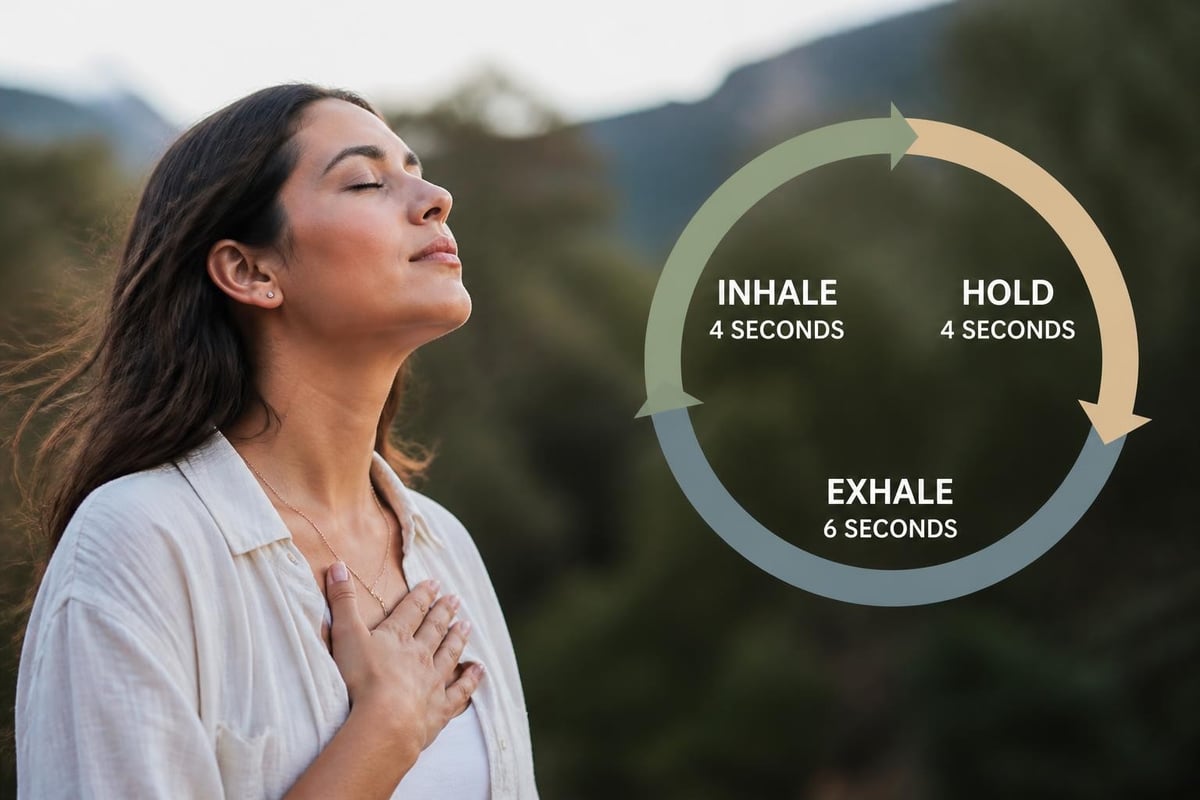
Place one hand on your chest and another on your abdomen. Breathe deeply through your nose, ensuring your stomach expands while your chest remains relatively still. Hold for four counts, then exhale slowly through your mouth for six counts.
This technique activates your parasympathetic nervous system, signaling safety to your brain and body. The Cleveland Clinic recommends deep breathing as a foundational practice for managing anxiety episodes.
Box Breathing Method
Used by military personnel and first responders, box breathing creates a structured rhythm that focuses your mind and regulates your nervous system.
- Inhale through your nose for four counts
- Hold your breath for four counts
- Exhale through your mouth for four counts
- Hold empty for four counts
- Repeat the cycle five to ten times
This structured approach provides your anxious mind with a clear task, interrupting the cycle of worried thoughts while simultaneously calming your physiological response.
Grounding Techniques to Anchor Your Present
Anxiety often pulls your attention toward future catastrophes or past regrets. Grounding techniques redirect your focus to the present moment, where anxiety cannot sustain itself with the same intensity.
| Technique | Method | Benefits |
|---|---|---|
| 5-4-3-2-1 Sensory | Identify 5 things you see, 4 you touch, 3 you hear, 2 you smell, 1 you taste | Engages all senses, interrupts anxious thoughts |
| Physical Grounding | Press feet firmly into floor, notice pressure and stability | Creates body awareness, reduces dissociation |
| Temperature Shift | Hold ice cube or splash cold water on face | Triggers physiological reset, breaks anxiety cycle |
The Strategic Hypnotherapy Clinic incorporates grounding work into therapeutic sessions, teaching clients how to access calm from anxiety through present-moment awareness. These techniques become more effective with practice, creating neural pathways that make calm more accessible during stressful moments.
The Power of Sensory Awareness
Your anxious mind exists in abstract thoughts about future possibilities. Your sensory experience exists only in the present moment. By deliberately focusing on sensory input-the texture of fabric against your skin, the sounds of your environment, the temperature of the air-you create a bridge back to reality that anxiety cannot follow.
Professional athletes use sensory grounding before competitions to manage performance anxiety. You can apply the same principle by developing a personal grounding routine that works reliably when anxiety rises.
Progressive Muscle Relaxation
Physical tension and mental anxiety exist in a reinforcing loop. Tight muscles send signals to your brain that something is wrong, which generates more anxiety, which creates more tension. Breaking this cycle through progressive muscle relaxation offers a pathway to calm from anxiety that addresses both components simultaneously.
Start with your toes and systematically work upward through each muscle group. Tense each area for five seconds, then release completely, noticing the contrast between tension and relaxation. This practice develops body awareness while teaching your nervous system what relaxation actually feels like.
Many people with chronic anxiety have forgotten what a truly relaxed state feels like. Various relaxation techniques help restore this baseline, making it easier to recognize when tension is building before it escalates into full anxiety.
Addressing Anxiety Habits and Patterns
Anxiety doesn't emerge from nowhere. Anxiety habits develop through repetition, often beginning as adaptive responses that outlive their usefulness. Identifying these patterns is essential for achieving lasting calm from anxiety.
Common anxiety-maintaining habits:
- Catastrophic thinking and worst-case scenario planning
- Avoidance of anxiety-triggering situations
- Excessive checking and reassurance-seeking behaviors
- Perfectionism and unrealistic self-expectations
- Neglecting physical health fundamentals
Each of these patterns provides temporary relief while strengthening anxiety's grip long-term. Breaking free requires conscious awareness and deliberate alternative responses.
The Role of Cognitive Restructuring
Your thoughts about events create your emotional responses more than the events themselves. Learning to identify and challenge catastrophic thinking patterns reduces anxiety's intensity and frequency. When you notice yourself predicting disaster, pause and ask:
- What evidence supports this prediction?
- What evidence contradicts it?
- What would I tell a friend in this situation?
- What's the most likely outcome, rather than the worst possible one?
This isn't about forcing positive thinking or denying genuine concerns. It's about developing a more balanced, realistic perspective that doesn't amplify threats beyond their actual size.
The Mind-Body Connection in Anxiety Management
Hypnotherapy recognizes that lasting calm from anxiety requires addressing the subconscious patterns that drive anxious responses. Clinical hypnosis accesses these deeper levels of mind, where automatic anxiety responses originate and where sustainable change becomes possible.
The subconscious mind learns through repetition and emotional association. Traumatic experiences, prolonged stress, and modeling from caregivers can create deeply embedded anxiety patterns that conscious willpower alone struggles to overcome. Therapeutic approaches that work directly with the subconscious offer more efficient pathways to lasting relief.
During hypnotherapy sessions, clients enter a focused state of relaxation where the critical conscious mind becomes quieter, allowing therapeutic suggestions and reframing to reach the subconscious level where they create meaningful change.
Lifestyle Foundations for Sustained Calm
While techniques for managing acute anxiety episodes are valuable, building a lifestyle that supports sustained calm from anxiety prevents episodes from occurring as frequently or intensely.
Sleep and Anxiety
Nighttime anxiety disrupts sleep, and poor sleep intensifies anxiety-another reinforcing cycle. Establishing consistent sleep hygiene creates a foundation for nervous system regulation.
| Sleep Strategy | Implementation | Impact on Anxiety |
|---|---|---|
| Consistent schedule | Same bedtime and wake time daily | Regulates circadian rhythm, reduces stress hormones |
| Screen-free wind-down | No devices 60 minutes before sleep | Reduces mental stimulation, improves melatonin production |
| Bedroom environment | Cool, dark, quiet space | Creates safety cues for nervous system |
| Pre-sleep routine | Reading, gentle stretching, meditation | Signals transition to rest state |
Quality sleep doesn't just help you cope with anxiety better; it actually reduces the neurological conditions that generate anxiety in the first place.
Physical Activity as Anxiety Medicine
Movement metabolizes stress hormones, releases endorphins, and provides a healthy outlet for the physical energy that anxiety generates. You don't need intense exercise to experience benefits. Research shows that even moderate activity like walking significantly reduces anxiety symptoms.
The key is consistency rather than intensity. Twenty minutes of daily movement provides more benefit than occasional marathon workout sessions. Find activities you genuinely enjoy, increasing the likelihood you'll maintain them long-term.
Nutrition and Nervous System Health
Caffeine sensitivity varies among individuals, but for many people struggling with anxiety, reducing caffeine intake creates noticeable improvements. Medical News Today highlights that caffeine can trigger or worsen anxiety symptoms by mimicking the physiological signs of stress.
Similarly, blood sugar fluctuations from irregular eating patterns or high-sugar diets can create physical sensations that trigger anxiety responses. Stable blood sugar through regular, balanced meals supports nervous system stability.
When to Seek Professional Support
Self-help strategies provide valuable tools for managing mild to moderate anxiety, but persistent or severe anxiety often requires professional intervention. Understanding different ways to manage anxiety helps you determine when additional support would be beneficial.
Consider professional help when:
- Anxiety interferes with work, relationships, or daily functioning
- Self-help strategies provide insufficient relief
- Anxiety symptoms persist for more than six months
- You're experiencing panic attacks or severe physical symptoms
- Anxiety co-occurs with depression or other mental health concerns
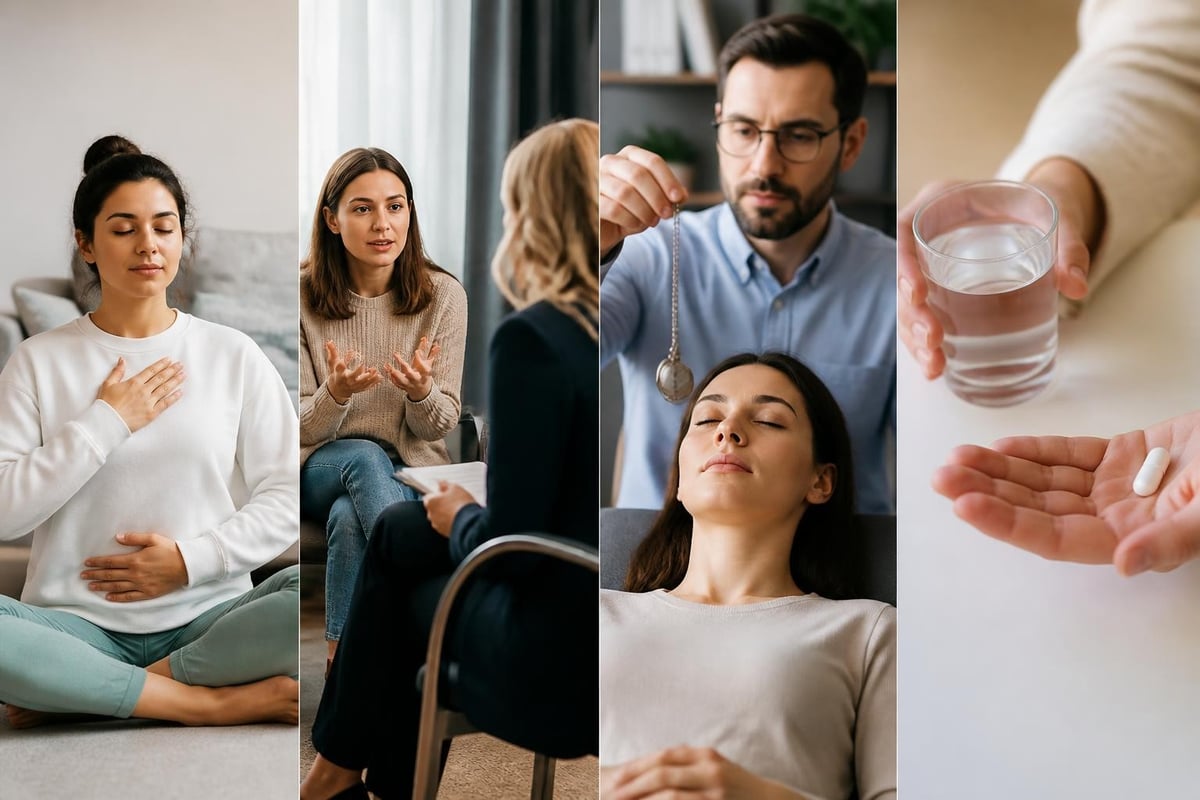
Hypnotherapy offers a particularly effective approach for anxiety because it addresses the subconscious patterns that maintain anxious responses while teaching practical techniques for managing symptoms. Unlike medication-only approaches, therapeutic interventions build skills that last beyond the treatment period.
Building Your Personal Anxiety Management System
Achieving calm from anxiety isn't about finding one perfect technique; it's about developing a personalized system that addresses your unique triggers, symptoms, and circumstances. What works brilliantly for one person may provide minimal benefit for another.
Creating Your Calm Toolkit
Experiment with various techniques to discover which resonate most strongly with you. Your toolkit might include:
- A go-to breathing pattern for acute episodes
- A daily mindfulness or meditation practice
- Regular physical activity you enjoy
- Grounding techniques for dissociation or overwhelm
- Professional support when needed
Document what works well for you. During calm periods, it's easy to forget which strategies proved effective during anxious times. Keeping a simple record helps you access these tools more quickly when anxiety rises.
The Importance of Consistency
Anxiety management techniques become more effective with regular practice. Don't wait until you're in crisis to implement these strategies. Daily practice during calm periods strengthens your capacity to access these states when you need them most.
Think of it like physical fitness. You can't suddenly develop endurance without training. Similarly, you can't expect to immediately access deep calm from anxiety without practicing these techniques regularly.
Measuring Progress and Adjusting Approach
Anxiety improvement often happens gradually rather than dramatically. Tracking your progress helps you recognize improvements that might otherwise go unnoticed.
Consider monitoring:
- Frequency and intensity of anxiety episodes
- Duration of anxious periods before you regain calm
- Situations that previously triggered anxiety but no longer do
- Sleep quality and energy levels
- Overall life satisfaction and functioning
If certain techniques aren't producing results after consistent application for several weeks, adjust your approach. Status anxiety and other specific anxiety subtypes might require specialized strategies.
Remember that setbacks don't erase progress. Anxiety management is a skill that develops over time, with natural fluctuations based on life circumstances and stress levels.
Integration and Maintenance
Once you've discovered effective strategies for achieving calm from anxiety, the challenge becomes maintaining these practices long-term. Life gets busy, stress increases, and the very habits that support your wellbeing often get abandoned first.
Building these practices into existing routines increases sustainability. Link breathing exercises to activities you already do regularly-morning coffee, commuting, or before meals. This habit-stacking approach leverages established patterns to support new behaviors.
During particularly stressful periods, resist the temptation to abandon your anxiety management practices. These are precisely the times when you need them most. Simplify if necessary, but maintain some consistent practice.
The journey toward lasting calm from anxiety is exactly that-a journey rather than a destination. Your relationship with anxiety will continue evolving as you develop new skills, face new challenges, and deepen your understanding of what supports your wellbeing.
Finding calm from anxiety requires patience, practice, and often professional guidance to address the deeper patterns maintaining your symptoms. Strategic Hypnotherapy Clinic specializes in helping individuals develop lasting freedom from anxiety through evidence-based hypnotherapy that works with your subconscious mind where sustainable change originates. Led by Peter Kane, the clinic provides compassionate, expert support tailored to your unique needs. If you're ready to move beyond temporary relief toward genuine transformation, Strategic Hypnotherapy Clinic offers the professional guidance and proven techniques to help you reclaim peace and confidence in your daily life.


Leave a Reply
Your email is safe with us.