

Anxiety has become one of the most prevalent mental health challenges of our generation, affecting millions of people worldwide. While medication can be effective for some individuals, many people are seeking alternative approaches that address the root causes of anxiety rather than simply masking symptoms. The good news is that there are numerous evidence-based strategies to relieve anxiety without medication, empowering individuals to take control of their mental well-being through natural, holistic methods that work with the body's innate healing capacities.
Understanding the Mind-Body Connection in Anxiety Management
The relationship between our mental state and physical body plays a crucial role in how we experience and manage anxiety. When we encounter stressful situations, our nervous system activates the fight-or-flight response, releasing cortisol and adrenaline that prepare us for perceived threats. However, chronic activation of this stress response can lead to persistent anxiety symptoms that interfere with daily life.
Understanding anxiety symptoms is the first step toward effective management. These may include racing thoughts, increased heart rate, muscle tension, difficulty concentrating, and sleep disturbances. Recognizing these patterns allows individuals to intervene early with appropriate techniques.
The mind-body connection offers powerful tools to interrupt this cycle. By engaging specific mental and physical practices, we can activate the parasympathetic nervous system, which promotes relaxation and counteracts the stress response. This biological shift creates the foundation for long-term anxiety relief.
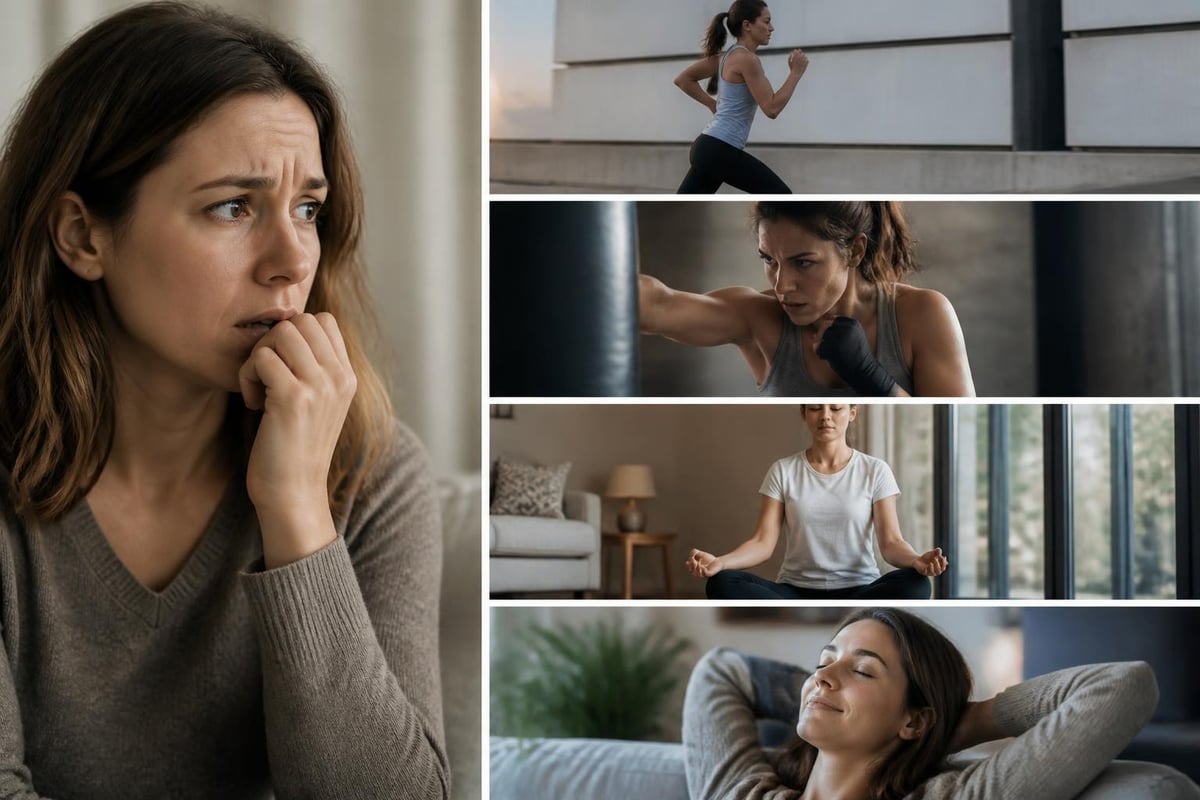
The Role of Hypnotherapy in Anxiety Relief
Clinical hypnosis represents one of the most effective methods to relieve anxiety without medication by accessing the subconscious mind where anxiety patterns often originate. During hypnotherapy sessions, individuals enter a deeply relaxed state where the conscious mind becomes quieter, allowing direct communication with the subconscious.
This therapeutic approach differs significantly from stage hypnosis or popular misconceptions. Clinical hypnotherapy is a collaborative process where clients remain fully aware and in control while exploring the underlying causes of their anxiety. Through guided imagery, positive suggestion, and reframing techniques, hypnotherapy helps rewire automatic anxiety responses.
Research demonstrates that hypnotherapy can produce measurable changes in brain activity, particularly in regions associated with emotional regulation and stress response. Many clients report significant improvements in anxiety levels after just a few sessions, experiencing benefits that continue long after treatment concludes.
Breathing Techniques That Transform Anxiety
Controlled breathing serves as one of the most accessible and immediate tools to manage anxiety symptoms. When anxiety strikes, breathing typically becomes shallow and rapid, which further activates the stress response. By consciously altering breathing patterns, we can signal safety to the nervous system.
Practical Breathing Methods
Several breathing exercises have proven particularly effective:
- Box breathing: Inhale for 4 counts, hold for 4, exhale for 4, hold for 4, repeat
- 4-7-8 technique: Breathe in for 4 counts, hold for 7, exhale slowly for 8
- Diaphragmatic breathing: Focus on expanding the belly rather than the chest with each breath
- Alternate nostril breathing: Close one nostril while breathing through the other, alternating sides
These techniques work because they engage the vagus nerve, which directly influences the parasympathetic nervous system. Regular practice, even when not feeling anxious, builds resilience and makes these tools more effective during stressful moments.
The beauty of breathing techniques is their portability. Whether in a meeting, stuck in traffic, or lying awake at night, you can access these powerful anxiety-relief methods anywhere, anytime.
Physical Movement and Exercise for Mental Calm
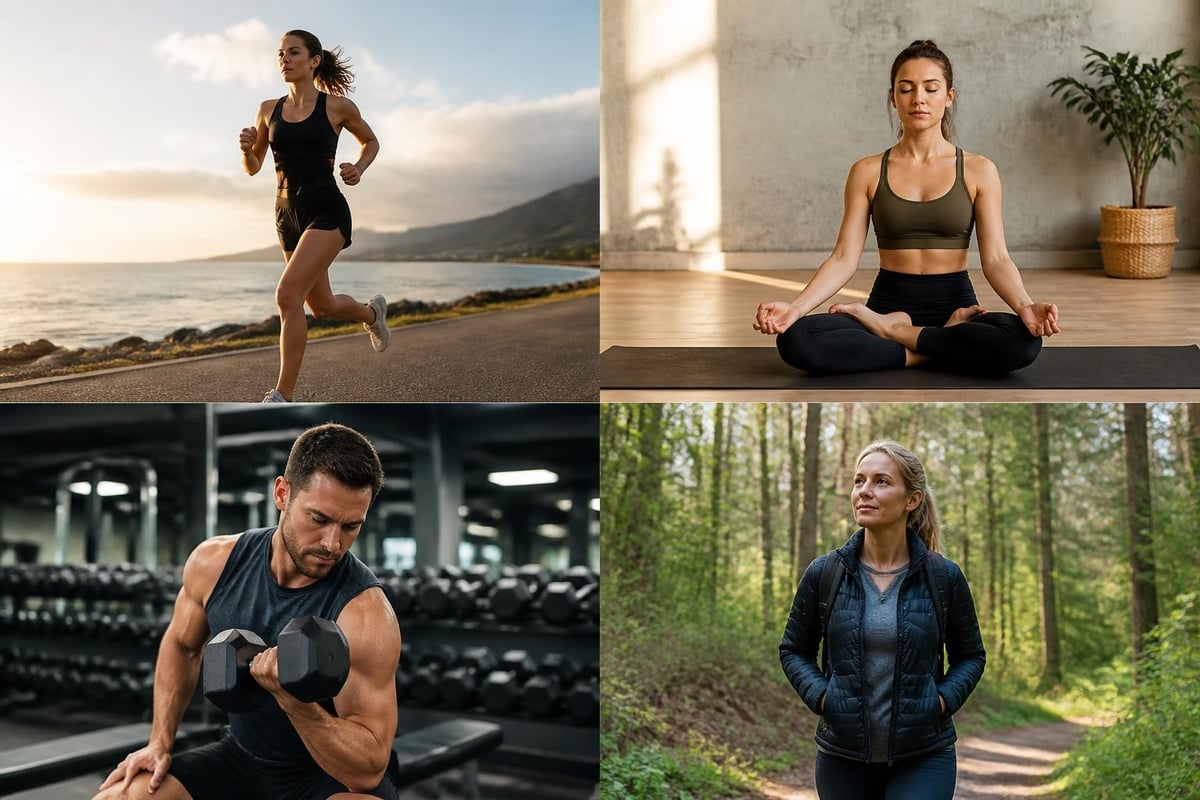
Physical activity represents one of the most well-researched approaches to relieve anxiety without medication. Exercise produces multiple beneficial effects on brain chemistry, including increased endorphin production, reduced stress hormones, and improved neuroplasticity.
| Exercise Type | Anxiety Relief Benefits | Recommended Frequency |
|---|---|---|
| Aerobic (running, cycling) | Reduces cortisol, boosts endorphins | 30 minutes, 5x weekly |
| Yoga | Combines movement with breathwork | 2-3 sessions weekly |
| Strength training | Builds confidence, improves sleep | 2-3 sessions weekly |
| Walking in nature | Reduces rumination, provides grounding | Daily, 20-30 minutes |
| Tai chi | Promotes mindfulness, reduces tension | 2-3 sessions weekly |
According to research on physical activity, even moderate exercise can produce anxiety-reducing effects comparable to medication for some individuals. The key is finding activities you genuinely enjoy, as consistency matters more than intensity.
Movement also provides a healthy outlet for the physical arousal that accompanies anxiety. When adrenaline courses through your system preparing for action, physical exercise allows you to complete that biological cycle rather than suppressing it.
Creating a Sustainable Exercise Routine
Starting small prevents overwhelm and builds sustainable habits. Begin with 10-minute walks and gradually increase duration and intensity. Partner with a friend for accountability, or join group classes that provide structure and social connection.
Nutrition and Dietary Strategies for Anxiety Management
What we consume significantly impacts our mental state. Certain foods and substances can exacerbate anxiety, while others support nervous system balance and emotional stability.
Limit or eliminate anxiety-triggering substances:
- Caffeine, which can intensify anxiety symptoms and disrupt sleep
- Alcohol, despite its initial calming effect, which disrupts sleep quality and mood regulation
- Processed sugars that cause blood sugar fluctuations affecting energy and mood
- Excessive sodium that may increase stress hormone production
Incorporate anxiety-reducing nutrients:
- Omega-3 fatty acids found in fish, walnuts, and flaxseeds
- Magnesium-rich foods like leafy greens, nuts, and whole grains
- Probiotic foods supporting the gut-brain axis
- Complex carbohydrates that stabilize blood sugar and support serotonin production
- B-vitamins essential for nervous system function
Natural remedies also include herbal teas such as chamomile, passionflower, and lemon balm, which have traditionally been used to promote relaxation. While these shouldn't replace professional treatment for severe anxiety, they can complement other strategies.
Mindfulness and Meditation Practices
Mindfulness involves bringing full attention to the present moment without judgment. This practice directly counters anxiety, which typically involves worrying about the future or ruminating about the past.
Regular meditation practice creates structural changes in the brain, particularly in areas associated with emotional regulation, self-awareness, and stress response. Studies show that just eight weeks of consistent meditation can produce measurable improvements in anxiety symptoms.
Getting Started With Mindfulness
You don't need special equipment or extensive time commitments to begin. Start with just five minutes daily, focusing on your breath or body sensations. When your mind wanders (which it will), gently redirect attention without self-criticism.
Simple mindfulness exercises include:
- Body scan meditation, systematically relaxing each body part
- Mindful eating, fully experiencing food textures, flavors, and sensations
- Walking meditation, focusing on the physical sensations of each step
- Loving-kindness meditation, cultivating compassion for yourself and others
Many people find guided meditation apps helpful when starting their practice. The key is consistency rather than perfection. Even brief daily practice produces more benefits than occasional longer sessions.
Sleep Optimization for Anxiety Reduction
Poor sleep and anxiety create a vicious cycle. Anxiety disrupts sleep quality, while sleep deprivation intensifies anxiety symptoms. Breaking this cycle requires intentional sleep hygiene practices.
| Sleep Strategy | Implementation | Expected Impact |
|---|---|---|
| Consistent schedule | Same bedtime/wake time daily | Regulates circadian rhythm |
| Screen-free evening | No devices 60 minutes before bed | Improves melatonin production |
| Cool bedroom | 65-68°F optimal | Facilitates sleep onset |
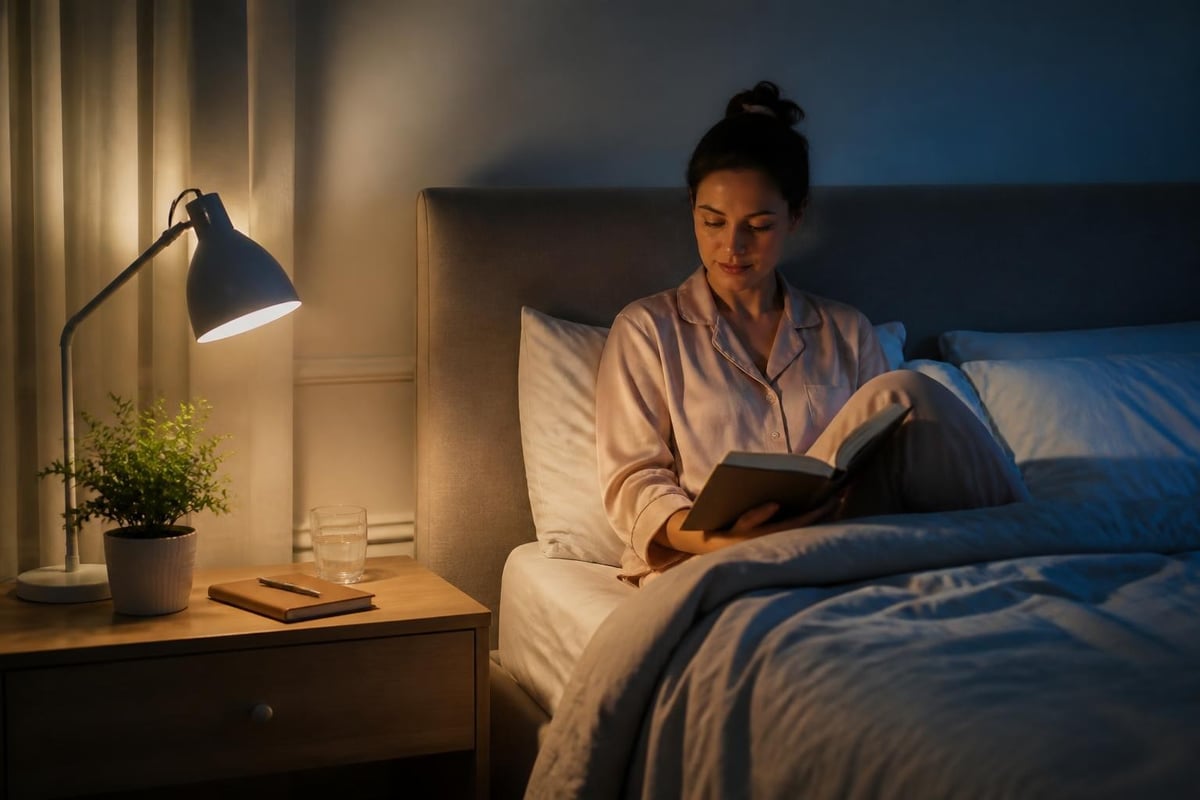
| Relaxation routine | Reading, stretching, meditation | Signals bedtime to body |
| Limited napping | Maximum 20 minutes before 3 PM | Preserves nighttime sleep drive |
Creating a sleep sanctuary involves more than just timing. Your bedroom should be dark, quiet, and associated primarily with sleep rather than work or entertainment. If anxiety keeps you awake, get up after 20 minutes and engage in a calming activity until you feel sleepy.
Understanding status anxiety and other specific anxiety triggers can help you address nighttime worries more effectively. Sometimes anxious thoughts that seem overwhelming at 2 AM appear more manageable in daylight.
Social Connection and Support Systems
Humans are inherently social creatures, and isolation intensifies anxiety. Building and maintaining meaningful connections provides both emotional support and practical assistance during challenging times.
Social support works through multiple mechanisms. Talking through worries with trusted friends or family members helps process emotions and gain perspective. Simply knowing others care about your wellbeing reduces the perceived threat level of stressful situations.
Support can take various forms:
- One-on-one conversations with trusted friends or family
- Support groups where people share similar experiences
- Community involvement through volunteering or group activities
- Professional therapy or counseling relationships
- Online communities focused on anxiety management
Don't hesitate to be specific about the support you need. Sometimes you want someone to listen without offering solutions, while other times you need practical advice or assistance. Clear communication helps others provide meaningful support.
Progressive Muscle Relaxation and Body-Based Techniques
Progressive muscle relaxation (PMR) systematically tenses and releases muscle groups throughout the body, promoting deep physical relaxation that signals safety to the nervous system. This technique, developed in the 1920s, remains one of the most effective methods to relieve anxiety without medication.
The practice involves tensing specific muscle groups for 5-10 seconds, then releasing and noticing the contrast between tension and relaxation. Starting with the feet and moving upward through the body, PMR creates comprehensive physical relaxation that naturally reduces mental anxiety.
Additional body-based approaches include gentle stretching, self-massage, and spending time in warm baths or saunas. These practices acknowledge that anxiety manifests physically, and addressing physical tension can resolve mental distress.
Cognitive Techniques and Thought Reframing
Anxiety often stems from distorted thinking patterns that overestimate threats and underestimate our capacity to cope. Learning to identify and challenge these thoughts reduces their power over our emotional state.
Common cognitive distortions in anxiety include catastrophizing (imagining worst-case scenarios), black-and-white thinking (seeing only extremes), and fortune-telling (assuming negative outcomes). Recognizing these patterns is the first step toward change.
Practical cognitive techniques include:
- Thought recording to identify patterns and triggers
- Evidence examination to test the accuracy of anxious thoughts
- Perspective-taking by asking how you'd advise a friend
- Decatastrophizing by considering realistic worst, best, and most likely outcomes
- Gratitude practice to shift focus toward positive aspects of life
For those seeking structured support in transforming thought patterns and habits, programs like DoReset offer comprehensive approaches to dismantling old patterns and building new, healthier responses over 90 days.
Environmental and Lifestyle Modifications
Your physical environment significantly influences anxiety levels. Creating spaces that promote calm rather than stress supports ongoing anxiety management efforts.
Decluttering reduces visual stimulation and creates a sense of order. Natural light exposure regulates circadian rhythms and improves mood. Incorporating plants brings nature indoors while improving air quality. Aromatherapy using lavender, bergamot, or chamomile essential oils can trigger relaxation responses.
Beyond physical space, lifestyle structure matters tremendously. Establishing routines reduces decision fatigue and creates predictability that the nervous system finds reassuring. Regular meal times, consistent sleep schedules, and planned relaxation periods all contribute to baseline calm.
Limiting news consumption and social media exposure also helps manage anxiety. While staying informed is valuable, constant exposure to negative information activates stress responses repeatedly throughout the day. Setting specific times for checking news and social media prevents continuous anxiety activation.
Creative Expression and Anxiety Relief
Engaging in creative activities provides both distraction from anxious thoughts and a healthy outlet for emotional expression. Whether through art, music, writing, or crafting, creative pursuits activate different brain regions and promote flow states that naturally reduce anxiety.
Journaling deserves special mention as a particularly effective anxiety-management tool. Writing about worries externalizes them, making them easier to examine objectively. Research shows that expressive writing about stressful experiences can reduce anxiety and improve overall well-being.
You don't need artistic talent to benefit from creative expression. The process matters more than the product. Adult coloring books, simple crafts, playing music (even poorly), or free-writing all provide therapeutic benefits regardless of skill level.
Time in Nature and Grounding Practices
Nature exposure consistently demonstrates anxiety-reducing effects across numerous studies. Even brief periods outdoors lower cortisol levels, reduce blood pressure, and improve mood. The Japanese practice of "forest bathing" involves mindfully spending time in natural settings, engaging all senses.
Grounding (also called earthing) involves direct physical contact with the earth, whether walking barefoot on grass, gardening, or sitting on the ground. Proponents suggest this practice helps balance the body's electrical charge, though benefits may also stem from the mindful connection with nature.
Simple nature-based practices include:
- Morning walks before starting the workday
- Eating lunch outside rather than at your desk
- Gardening or caring for houseplants
- Watching sunrise or sunset
- Listening to natural sounds like rain or birdsong
Even for urban dwellers, parks, gardens, or even viewing nature through windows provides measurable benefits. Prioritizing time outdoors, regardless of your location, supports ongoing anxiety management.
Building Your Personalized Anxiety Management Plan
No single approach works universally for everyone. Effective anxiety management requires experimenting with various techniques to discover what resonates with your unique needs, preferences, and lifestyle.
Start by selecting 2-3 strategies that feel most accessible and appealing. Implement them consistently for at least three weeks before evaluating effectiveness. Gradual addition of new techniques prevents overwhelm while building a comprehensive toolkit.
Track your anxiety levels and which interventions help most. Simple notes about daily anxiety ratings (1-10 scale) and what you practiced can reveal patterns and progress over time. This data helps refine your approach and demonstrates improvement that might otherwise go unnoticed.
| Strategy Category | Immediate Relief | Long-term Benefits | Time Investment |
|---|---|---|---|
| Breathing techniques | High | Moderate | 5-10 minutes |
| Exercise | Moderate | High | 30-60 minutes |
| Hypnotherapy | High | Very High | 60 minutes/session |
| Meditation | Moderate | High | 10-20 minutes |
| Sleep optimization | Low | Very High | Ongoing lifestyle |
Remember that seeking professional support isn't a failure but rather a wise investment in your wellbeing. Therapists, counselors, and specialized practitioners offer expertise that accelerates progress and provides personalized guidance.
Learning to relieve anxiety without medication empowers you to address the root causes of your symptoms while building lasting resilience and emotional regulation skills. By combining techniques that resonate with your unique needs and lifestyle, you create a sustainable path toward greater calm and wellbeing. If you're ready to explore how hypnotherapy can help you overcome anxiety by harnessing your mind-body connection, Strategic Hypnotherapy Clinic offers compassionate, expert guidance tailored to your individual journey toward lasting peace and personal growth.


Leave a Reply
Your email is safe with us.