

Anxiety can strike without warning, transforming ordinary moments into overwhelming experiences. Whether you're preparing for an important presentation, navigating a challenging relationship, or simply feeling the weight of daily pressures, the need for immediate anxiety relief becomes paramount. Understanding how to activate your body's natural calming mechanisms provides you with powerful tools to regain control when anxiety threatens to derail your day. The connection between mind and body offers a pathway to relief that's both accessible and scientifically validated.
Understanding Your Body's Anxiety Response
When anxiety takes hold, your nervous system shifts into high alert mode. The sympathetic nervous system triggers a cascade of physical responses designed to protect you from perceived threats. Your heart rate accelerates, breathing becomes shallow, muscles tense, and thoughts race uncontrollably.
This physiological response, whilst protective in genuine danger, often activates inappropriately in modern life. Recognising anxiety symptoms helps you distinguish between appropriate concern and disproportionate worry. The key to immediate anxiety relief lies in deliberately engaging your parasympathetic nervous system, which counteracts this stress response and restores equilibrium.
The Mind-Body Connection in Anxiety Management
Your mind and body communicate constantly through intricate neural pathways. This bidirectional relationship means physical interventions can create immediate mental shifts. When you consciously alter your breathing pattern, muscle tension, or sensory input, you send signals to your brain that safety has been restored.
Key principles of the mind-body connection include:
- Physical changes directly influence emotional states
- Voluntary control of involuntary processes is possible with practice
- The subconscious mind responds to deliberate physiological cues
- Repeated techniques create stronger neural pathways for future use
Breathing Techniques for Rapid Anxiety Reduction
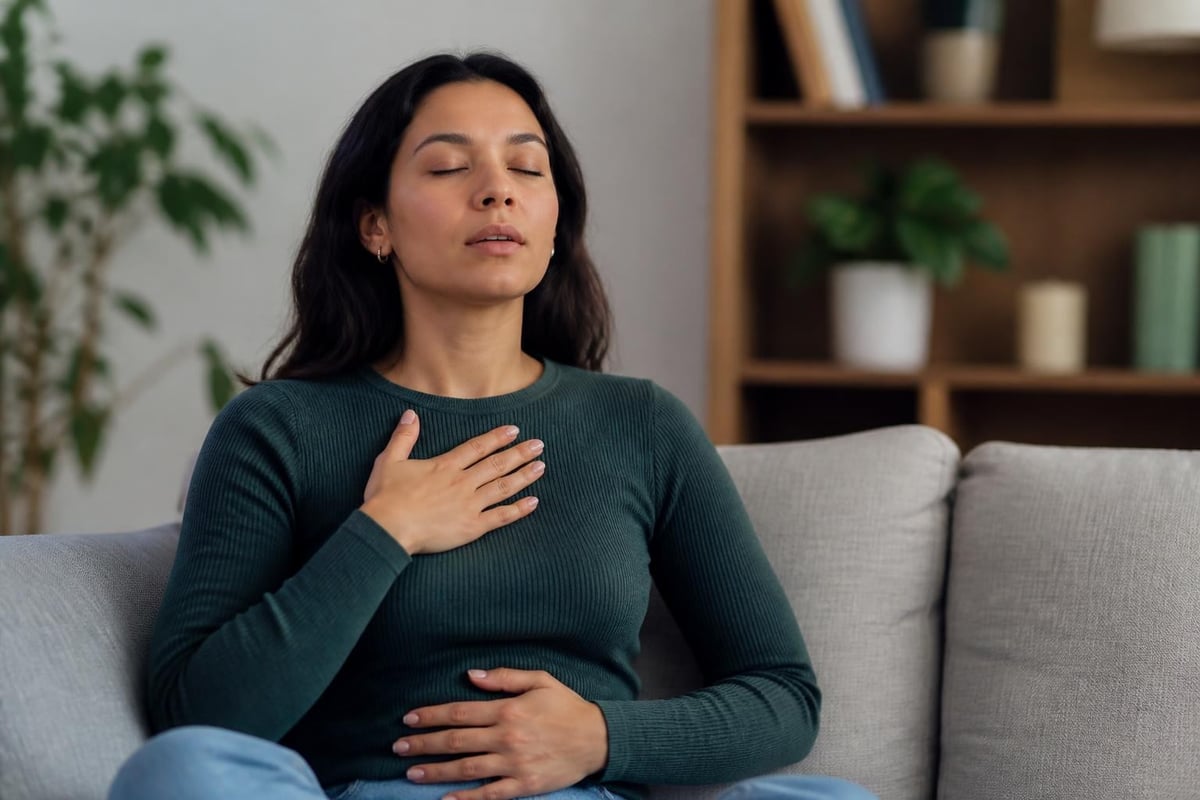
Controlled breathing stands as one of the most effective tools for immediate anxiety relief. Your breath serves as a direct line of communication with your autonomic nervous system, offering instant access to your body's calming mechanisms.
Box Breathing Method
This technique, used by military personnel in high-stress situations, creates a rhythmic pattern that regulates your nervous system. Box breathing and grounding exercises provide practical tools for managing anxiety in critical moments.
Follow these steps:
- Inhale slowly through your nose for four counts
- Hold your breath gently for four counts
- Exhale completely through your mouth for four counts
- Hold empty for four counts
- Repeat the cycle for two to five minutes
The mathematical precision of this pattern occupies your conscious mind whilst automatically shifting your physiology towards calm. Many clients report noticeable relief within just three complete cycles.
4-7-8 Breathing Pattern
This variation emphasises extended exhalation, which particularly activates the parasympathetic response. Inhale quietly through your nose for four counts, hold for seven counts, then exhale forcefully through your mouth for eight counts. The longer exhale triggers your body's relaxation response more dramatically than equal breathing patterns.
| Breathing Technique | Duration | Primary Benefit | Best Used When |
|---|---|---|---|
| Box Breathing | 2-5 minutes | Balanced regulation | General anxiety, panic prevention |
| 4-7-8 Breathing | 3-4 cycles | Deep relaxation | Sleep difficulties, acute stress |
| Diaphragmatic Breathing | 5-10 minutes | Sustained calm | Ongoing tension, preparation for challenges |
Grounding Techniques to Anchor Your Awareness
Grounding methods redirect your attention from anxious thoughts to present-moment sensory experiences. These techniques provide immediate anxiety relief by interrupting the cycle of worried thinking and reconnecting you with physical reality.
The 5-4-3-2-1 Sensory Method
This progressive awareness exercise systematically engages all five senses. Identify five things you can see, four you can touch, three you can hear, two you can smell, and one you can taste. The specific focus required displaces anxious rumination whilst grounding you firmly in the present.
Additional grounding approaches include:
- Holding ice cubes to activate temperature receptors
- Pressing your feet firmly into the floor
- Describing your surroundings aloud in detail
- Carrying a textured object to touch during stressful moments
- Splashing cold water on your face to trigger the dive reflex
Science-backed strategies for rapid anxiety reduction demonstrate how these physical interventions create measurable changes in nervous system activity. The immediacy of sensory input overrides abstract worry, providing a cognitive reset.
Physical Movement for Anxiety Discharge
Anxiety generates physical energy that demands release. Strategic movement channels this activation productively, transforming nervous energy into purposeful action. You don't need intense exercise to achieve immediate anxiety relief through movement.
Quick Movement Interventions
Simple physical activities interrupt anxiety's grip by engaging your motor cortex and releasing tension. Walk briskly for five minutes, perform ten jumping jacks, stretch major muscle groups, or practice progressive muscle relaxation. Each movement sends feedback to your brain that action is being taken, which reduces the urgency of the anxiety signal.
Even subtle movements help. Gently rotating your shoulders, clenching and releasing your fists, or standing and sitting repeatedly creates enough physiological shift to disrupt anxiety patterns.
Cognitive Reframing for Immediate Perspective Shifts
Your interpretation of situations significantly influences anxiety intensity. Whilst changing long-held thought patterns requires sustained effort, immediate anxiety relief can come from temporary cognitive shifts that reduce threat perception.
The Cognitive Distance Technique
Create space between yourself and anxious thoughts by observing them as mental events rather than facts. Notice the thought "I'm having the thought that this presentation will fail" rather than accepting "This presentation will fail" as reality. This subtle linguistic shift activates your observer self, reducing identification with anxiety.
Effective reframing questions include:
- What evidence contradicts this worried thought?
- How likely is this outcome realistically?
- What would I tell a friend experiencing this anxiety?
- Will this matter in one year?
- What's the worst realistic outcome, and could I manage it?
Understanding how hypnotherapy addresses anxiety reveals deeper patterns of thought that perpetuate worry. Professional guidance can identify specific cognitive distortions that fuel your particular anxiety patterns.
Hypnotherapy Techniques for Self-Regulation
Clinical hypnosis offers sophisticated tools for accessing your subconscious mind's calming capabilities. Whilst comprehensive hypnotherapy requires professional guidance, several self-hypnosis techniques provide immediate anxiety relief in the moment.
The Safe Place Visualisation
Close your eyes and construct a detailed mental sanctuary where you feel completely secure. Engage all sensory details: the temperature, colours, sounds, textures, and scents of this space. Your brain responds to vivid mental imagery similarly to actual experiences, activating relaxation responses as you immerse yourself in this safe environment.
Spend two to five minutes in this visualised space, allowing your breathing to deepen naturally. The more detail you incorporate, the more effectively this technique interrupts anxiety patterns. Regular practice strengthens this mental refuge, making it increasingly accessible during anxious moments.
Self-Suggestion Statements
Carefully crafted affirmations delivered in a calm, focused state can shift your physiological response. Rather than generic positive thinking, use specific statements that acknowledge reality whilst directing your nervous system towards calm: "My body knows how to relax" or "I'm capable of managing this feeling."
The effectiveness increases when you pair these statements with relaxed breathing and a receptive mental state. This combination accesses the same subconscious pathways that professional hypnotherapy utilises for lasting change.
Vagus Nerve Stimulation Methods
The vagus nerve serves as the primary channel of your parasympathetic nervous system, directly controlling heart rate, digestion, and emotional regulation. Stimulating this nerve provides a biological shortcut to immediate anxiety relief.
Practical Vagus Nerve Activation
Several simple techniques directly engage vagal tone. Humming, singing, or gargling activates throat muscles connected to the vagus nerve. Cold water exposure, whether splashing your face or drinking ice water slowly, triggers the dive reflex, which automatically slows heart rate.
| Vagus Nerve Technique | Method | Time Required | Effectiveness Rating |
|---|---|---|---|
| Cold Face Immersion | Submerge face in cold water | 30 seconds | Very High |
| Humming/Singing | Sustained vocal vibration | 2-3 minutes | High |
| Deep Belly Breathing | Diaphragmatic expansion | 5 minutes | High |
| Gentle Neck Massage | Circular strokes on sides of neck | 3-4 minutes | Moderate |
Comprehensive approaches to managing anxiety emphasise these physiological interventions as foundational elements of an effective anxiety management strategy.
Creating Your Personalised Anxiety Relief Protocol
Different techniques resonate with different individuals and situations. Experimenting with various approaches helps you identify which methods provide the most reliable immediate anxiety relief for your specific needs.
Building Your Anxiety Toolkit
Start by testing each technique during calm moments to learn proper execution. This preparation ensures you can access the skills when anxiety strikes. Document which methods work best for different situations: professional stress, social anxiety, health worries, or relationship concerns.
Your personalised protocol might include:
- First response breathing technique (30-60 seconds)
- Physical grounding method (1-2 minutes)
- Cognitive reframing question (30 seconds)
- Extended calming practice (3-5 minutes)
- Follow-up self-care action
Many people find that exploring strategic hypnotherapy approaches provides professional guidance for developing personalised anxiety management strategies that address root causes whilst providing immediate symptom relief.
The Role of Prevention in Anxiety Management
Whilst immediate anxiety relief techniques address acute symptoms, preventive practices reduce overall anxiety frequency and intensity. Regular meditation, consistent sleep schedules, physical exercise, and nutritional awareness create baseline nervous system resilience.
Daily Practices That Build Resilience
Incorporating brief relaxation practices into your daily routine strengthens your capacity for self-regulation. Even five minutes of morning breathing exercises or evening progressive relaxation builds the neural pathways that make immediate anxiety relief more accessible when needed.
Consider anxiety management as both crisis intervention and ongoing wellness. The techniques that provide immediate relief also serve as preventive medicine when practised regularly during calm periods. This dual approach addresses both the immediate discomfort and the underlying patterns that perpetuate anxiety.
When Professional Support Becomes Essential
Self-help techniques for immediate anxiety relief serve valuable purposes, but persistent or severe anxiety often requires professional intervention. If anxiety significantly impairs your daily functioning, relationships, or quality of life, seeking expert guidance becomes crucial.
Understanding when to consider anxiety medication versus therapeutic interventions requires professional assessment. Many individuals benefit from combining immediate relief techniques with comprehensive therapeutic approaches that address underlying patterns.
Professional hypnotherapy offers structured interventions that access subconscious processes maintaining anxiety patterns. Unlike temporary relief techniques, therapeutic work creates lasting changes in how your mind and body respond to stress. Actionable strategies for managing anxiety emphasise the importance of both immediate coping skills and long-term therapeutic support.
Integrating Technology and Innovation
Emerging technologies offer new pathways for immediate anxiety relief. Biofeedback apps provide real-time data about your physiological state, helping you learn which techniques most effectively shift your nervous system. Heart rate variability monitors offer objective feedback about relaxation progress.
Recent research into virtual reality therapy for anxiety demonstrates innovative approaches to immediate anxiety relief through immersive environments. These technological advances complement traditional techniques, offering additional tools for managing anxiety effectively.
Whilst technology provides valuable support, the fundamental techniques of breath control, grounding, and cognitive reframing remain accessible without devices. Building proficiency with basic methods ensures you possess anxiety relief capabilities regardless of technological availability.
Combining Techniques for Maximum Effectiveness
The most powerful immediate anxiety relief often comes from strategic combinations rather than single techniques. Beginning with breathing to stabilise physiology, adding grounding to anchor awareness, then applying cognitive reframing creates a comprehensive response to anxiety.
Effective combination sequences:
- Box breathing (1 minute) + 5-4-3-2-1 grounding (2 minutes) + safe place visualisation (3 minutes)
- Cold water face splash + diaphragmatic breathing (2 minutes) + reframing questions (1 minute)
- Progressive muscle relaxation (3 minutes) + self-suggestion statements (2 minutes) + physical movement (2 minutes)
Experiment with different sequences to discover which combinations provide the most reliable relief for your specific anxiety presentations. The goal is developing a flexible toolkit you can adapt to various situations and intensity levels.
Mastering techniques for immediate anxiety relief empowers you to navigate life's challenges with greater confidence and resilience. These evidence-based methods provide accessible tools for managing anxiety symptoms as they arise, whilst consistent practice builds lasting nervous system regulation. When anxiety persists despite your best self-help efforts, professional support can address the deeper patterns maintaining your distress. Strategic Hypnotherapy Clinic specialises in helping individuals overcome anxiety through compassionate, expert hypnotherapy that harnesses the mind-body connection for lasting transformation. Led by Peter Kane, the clinic offers personalised approaches that complement immediate relief techniques with comprehensive therapeutic support designed to foster enduring well-being.


Leave a Reply
Your email is safe with us.