

Anxiety affects millions of Australians, disrupting daily life, relationships, and overall well-being. While experiencing occasional worry is normal, persistent anxiety can become overwhelming and debilitating. The good news is that numerous evidence-based ways to avoid anxiety exist, ranging from lifestyle modifications to therapeutic interventions that address the root causes of anxious thoughts and feelings. Understanding these approaches empowers individuals to take control of their mental health and build resilience against future anxiety triggers.
Understanding the Foundation of Anxiety Prevention
Before exploring specific techniques, recognising how anxiety manifests in your body and mind creates a foundation for effective prevention. Anxiety operates on multiple levels, affecting physical sensations, thought patterns, and behavioural responses simultaneously.
The mind-body connection plays a crucial role in both the development and management of anxiety. When your brain perceives a threat, whether real or imagined, it triggers physiological responses including increased heart rate, shallow breathing, and muscle tension. These physical sensations can then reinforce anxious thoughts, creating a feedback loop that intensifies the experience.
Identifying Your Personal Anxiety Triggers
Different people experience anxiety in response to different stimuli. Common triggers include:
- Social situations and performance scenarios
- Financial pressures and work-related stress
- Health concerns and medical appointments
- Relationship conflicts or uncertainty
- Major life transitions and changes
Keeping a journal to track when anxiety emerges helps identify patterns and specific triggers. This awareness enables you to implement targeted prevention strategies before anxiety escalates into a full-blown episode.

Lifestyle Modifications as Preventative Measures
Physical health and mental well-being are inextricably linked. Making strategic changes to daily habits represents some of the most effective ways to avoid anxiety naturally.
Sleep Hygiene and Anxiety Prevention
Quality sleep serves as a foundation for emotional regulation and stress resilience. Sleep deprivation amplifies anxiety responses and reduces your ability to cope with daily challenges.
Establishing consistent sleep patterns involves:
- Setting a regular bedtime and wake time, even on weekends
- Creating a calming pre-sleep routine without screens
- Maintaining a cool, dark, and quiet bedroom environment
- Avoiding caffeine and heavy meals within four hours of bedtime
- Limiting daytime naps to 20-30 minutes before 3pm
Research shows that balanced lifestyle practices including proper sleep can significantly reduce stress and anxiety over time.
Nutrition's Role in Mental Stability
What you eat directly impacts brain chemistry and emotional regulation. Certain dietary patterns support stable mood and reduced anxiety, while others exacerbate symptoms.
| Anxiety-Reducing Foods | Foods to Limit |
|---|---|
| Fatty fish rich in omega-3s | Excessive caffeine |
| Fermented foods for gut health | Refined sugars and processed foods |
| Complex carbohydrates | Alcohol in large quantities |
| Magnesium-rich leafy greens | High-sodium processed meals |
| Chamomile and green tea | Artificial sweeteners |
Maintaining balanced blood sugar through regular, nutritious meals prevents the irritability and anxiety spikes associated with hunger and glucose fluctuations.
Physical Movement and Exercise
Regular physical activity stands among the most powerful ways to avoid anxiety naturally. Exercise releases endorphins, reduces stress hormones like cortisol, and improves sleep quality.
You don't need intense workouts to experience benefits. Moderate activities provide significant anxiety relief:
- Walking in nature for 30 minutes daily
- Yoga combining movement with breathwork
- Swimming for low-impact cardiovascular exercise
- Dancing to music you enjoy
- Gardening for gentle, purposeful activity
The key is consistency rather than intensity. Finding movement you genuinely enjoy increases the likelihood you'll maintain the habit long-term.
Mindfulness and Present-Moment Awareness
Anxiety often stems from ruminating about the past or catastrophizing about the future. Cultivating present-moment awareness through mindfulness practices helps break these patterns.
Breathing Techniques for Immediate Relief
Conscious breathing activates the parasympathetic nervous system, directly counteracting the fight-or-flight response. Several evidence-based breathing techniques can calm anxiety in the moment when symptoms arise.
Box breathing provides a simple, effective approach:
- Inhale slowly through your nose for four counts
- Hold your breath for four counts
- Exhale slowly through your mouth for four counts
- Hold empty lungs for four counts
- Repeat for 2-3 minutes
4-7-8 breathing promotes deeper relaxation by extending the exhale beyond the inhale, signalling safety to your nervous system.
Meditation and Body Scanning
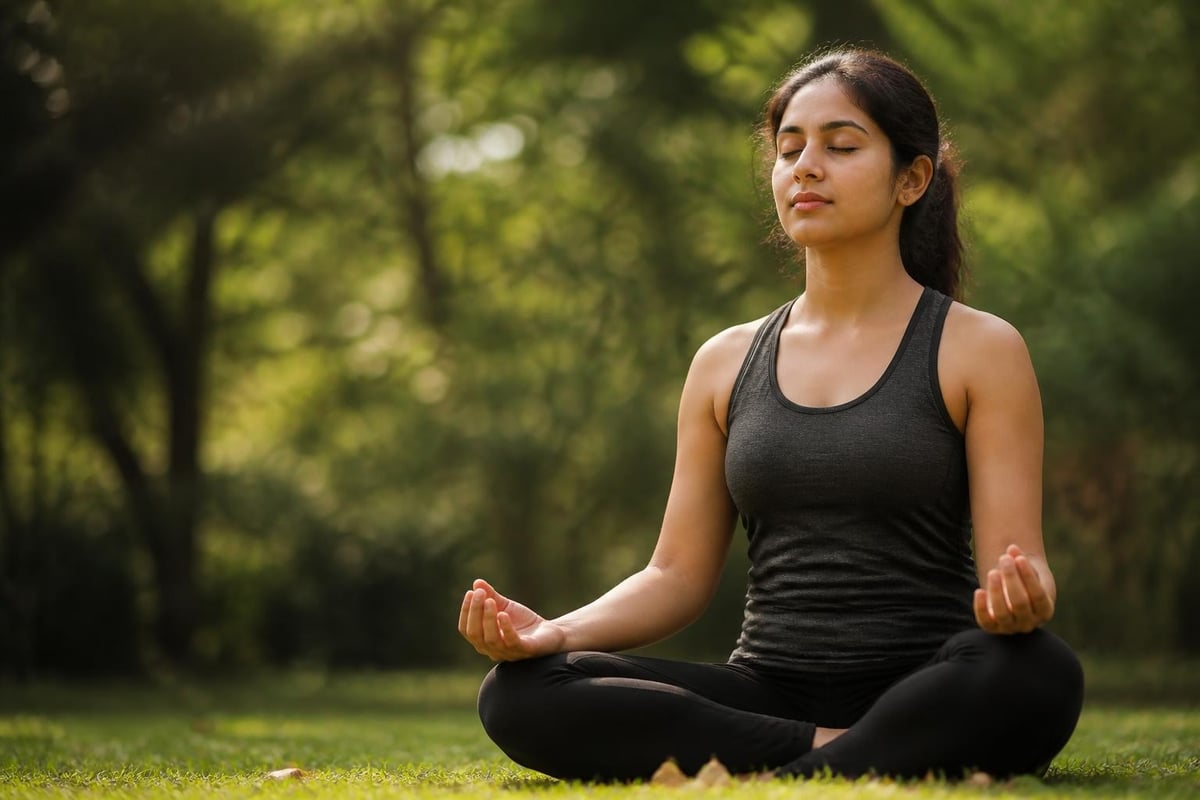
Regular meditation practice rewires neural pathways associated with anxiety, building capacity for emotional regulation. Even five minutes daily creates measurable benefits.
Body scan meditation involves systematically directing attention through different body parts, noticing sensations without judgment. This practice increases body awareness and releases unconscious tension that contributes to anxiety.
Cognitive Strategies for Anxiety Management
Your thoughts significantly influence emotional experiences. Learning to identify and reframe anxious thinking patterns represents essential ways to avoid anxiety from escalating.
Challenging Catastrophic Thinking
Anxiety often involves cognitive distortions where you imagine worst-case scenarios as inevitable outcomes. Questioning these thoughts reveals their irrationality:
- What evidence supports this thought?
- What evidence contradicts it?
- What would I tell a friend thinking this way?
- What's the most realistic outcome?
- Can I handle this even if my fear comes true?
This process doesn't dismiss concerns but grounds them in reality rather than fear-driven speculation.
Creating Worry Time
Paradoxically, designating specific time for worrying can reduce overall anxiety. Schedule 15 minutes daily to address concerns, writing them down and exploring solutions. Outside this window, postpone worried thoughts to your designated worry time.
This technique prevents anxiety from dominating your entire day whilst ensuring legitimate concerns receive attention.
Social Connection and Support Systems
Isolation amplifies anxiety, while meaningful social connections provide buffer against stress and offer perspective during difficult times.
The Protective Power of Relationships
Strong relationships with family, friends, or community groups provide:
- Emotional validation and understanding
- Practical support during challenges
- Opportunities for joy and distraction
- Accountability for healthy habits
- Different perspectives on problems
When supporting someone experiencing anxiety, compassionate communication matters more than offering solutions.
Setting Healthy Boundaries
Paradoxically, protecting your time and energy through boundaries reduces anxiety. Learning to say no to excessive commitments prevents overwhelm and preserves capacity for self-care.
Boundaries might include:
- Limiting news and social media consumption
- Declining invitations when genuinely needed rest
- Communicating limits clearly and respectfully
- Prioritising activities that genuinely nourish you
Environmental Modifications for Calm
Your physical environment significantly impacts mental state. Creating spaces that promote calm represents practical ways to avoid anxiety triggers.
Decluttering and Organization
Visual clutter creates mental clutter. Organizing your living and working spaces reduces cognitive load and promotes sense of control.
Start small with one drawer or shelf rather than attempting entire rooms. The process itself can be meditative when approached mindfully.
Nature Exposure and Biophilic Design
Regular time in natural environments reduces cortisol levels and promotes parasympathetic nervous system activation. Even brief nature exposure provides measurable anxiety relief.
For those unable to access nature regularly, incorporating natural elements indoors helps:
| Indoor Biophilic Element | Anxiety-Reducing Benefit |
|---|---|
| Houseplants | Improved air quality and living presence |
| Natural light | Regulated circadian rhythms |
| Natural materials (wood, stone) | Grounding, calming aesthetic |
| Water features | Soothing ambient sound |
| Nature photography or artwork | Visual connection to natural world |
Limiting Anxiety-Provoking Substances and Habits
Certain substances and behaviours directly trigger or worsen anxiety symptoms, even when they seem to provide temporary relief.
Stimulants and Depressants
Caffeine stimulates the nervous system, potentially triggering anxiety symptoms in sensitive individuals. If you experience anxiety, consider reducing intake gradually or switching to lower-caffeine alternatives.
Alcohol may temporarily reduce inhibitions but disrupts sleep quality and can trigger rebound anxiety as it metabolizes. Understanding the differences between stress and anxiety helps identify appropriate coping strategies rather than relying on substances.
Nicotine creates a cycle of temporary relief followed by increased anxiety as nicotine levels drop, perpetuating dependence.
Digital Consumption and Information Overload
Constant connectivity and information consumption overstimulate the nervous system. Implementing digital boundaries includes:
- Turning off non-essential notifications
- Avoiding screens for the first and last hour of each day
- Setting specific times for checking email and social media
- Curating social media feeds to reduce anxiety-provoking content
- Taking regular digital detox periods
Professional Therapeutic Interventions
While self-help strategies provide valuable tools, professional support addresses deeper patterns and offers specialized techniques for lasting change.
The Power of Hypnotherapy for Anxiety
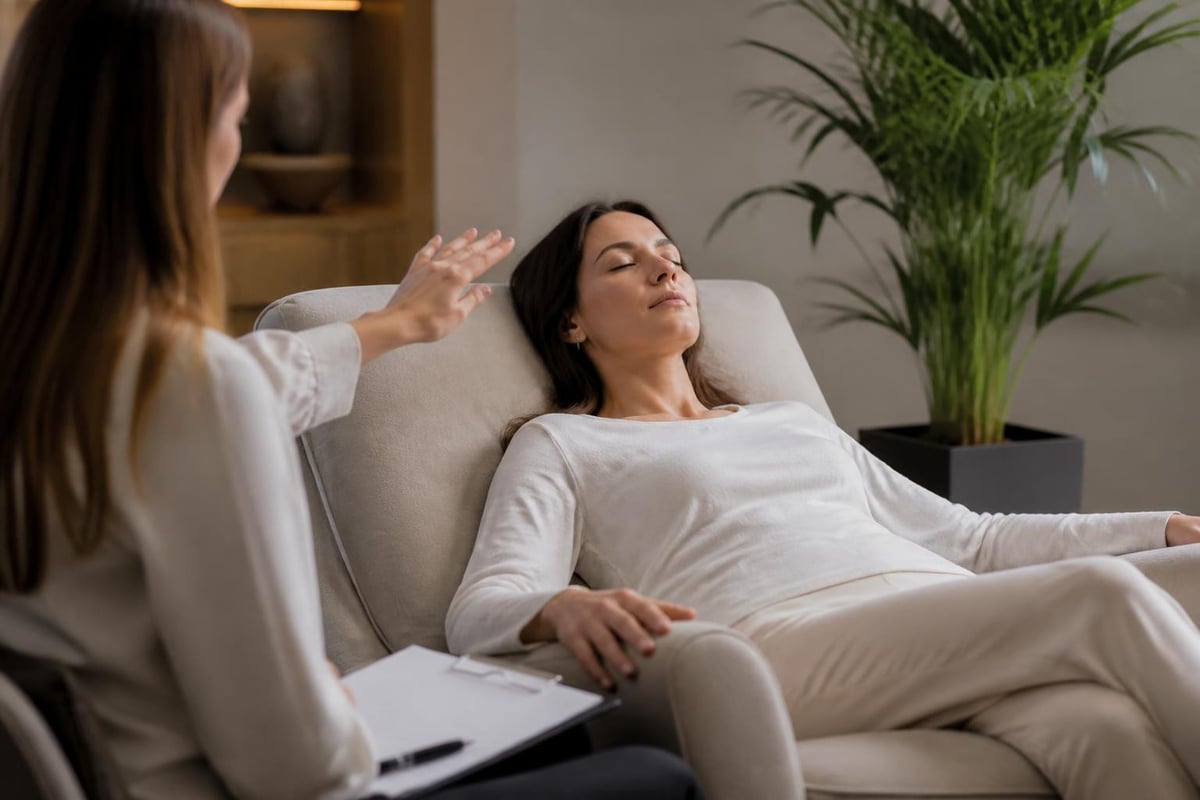
Hypnotherapy accesses the subconscious mind where anxiety patterns often originate. Through guided relaxation and focused attention, hypnotherapy helps:
- Identify and reframe unconscious beliefs driving anxiety
- Release stored emotional tension in the body
- Install new, healthier response patterns
- Build confidence and resilience
- Address root causes rather than just symptoms
Strategic hypnotherapy combines traditional hypnotherapy with strategic interventions tailored to individual needs, creating personalized pathways to anxiety relief.
When to Seek Professional Support
Professional intervention becomes particularly valuable when:
- Anxiety significantly interferes with daily functioning
- Self-help strategies provide insufficient relief
- Anxiety has persisted for several months
- Physical symptoms are severe or concerning
- You're experiencing panic attacks
- Anxiety coexists with depression or other mental health concerns
Early intervention prevents anxiety from becoming more deeply entrenched and often leads to faster, more complete resolution.
Building Long-Term Resilience
Sustainable anxiety prevention requires ongoing practice rather than one-time fixes. Building resilience creates capacity to handle life's inevitable stresses without developing chronic anxiety.
Developing Self-Compassion
Self-criticism amplifies anxiety by adding shame and judgment to already difficult emotions. Treating yourself with the same kindness you'd offer a struggling friend reduces emotional reactivity.
Self-compassion practices include:
- Acknowledging that imperfection and struggle are universal human experiences
- Speaking to yourself with gentle, encouraging language
- Allowing yourself to feel difficult emotions without judgment
- Recognizing that mistakes are opportunities for growth
Continuous Learning and Adaptation
Different strategies work for different people and situations. Approaching anxiety management with curiosity rather than rigid expectations allows you to discover what genuinely helps.
Regularly reassessing your practices ensures they continue serving your evolving needs. What worked during one life phase may need adjustment as circumstances change.
Creating Your Personal Prevention Plan
Implementing numerous ways to avoid anxiety simultaneously can feel overwhelming. Starting with small, manageable changes and building gradually creates sustainable habits.
Prioritizing Based on Your Needs
Consider which areas of life currently contribute most to your anxiety:
- Physical health: Focus on sleep, nutrition, and movement
- Mental patterns: Emphasize mindfulness and cognitive strategies
- Environmental factors: Address living space and substance use
- Social connections: Strengthen relationships and boundaries
- Professional support: Seek specialized therapeutic intervention
Choose 2-3 specific actions from your priority area to implement consistently for four weeks before adding additional changes.
Tracking Progress and Adjusting
Maintaining a simple log of your anxiety levels, implemented strategies, and their effects provides valuable data. Notice patterns without judgment:
- Which techniques provide greatest relief?
- What times of day or situations trigger heightened anxiety?
- How do different combinations of strategies work together?
- What obstacles prevent consistent practice?
This information guides ongoing refinement of your personal anxiety prevention plan.
Managing anxiety effectively requires a comprehensive approach addressing physical, mental, emotional, and environmental factors. By implementing these evidence-based ways to avoid anxiety and building them into consistent daily practices, you create resilience and reclaim peace of mind. If anxiety continues to impact your quality of life despite self-help efforts, Strategic Hypnotherapy Clinic offers compassionate, expert support through hypnotherapy services designed to address the root causes of anxiety and foster lasting personal growth and well-being.


Leave a Reply
Your email is safe with us.